Back in the mid-2000s, some suit in a boardroom decided that selling us 20% of a game for 30% of the price was the future of the industry. It was supposed to be like prestige TV, keeping us hooked with cliffhangers while developers avoided the dreaded five-year dev cycle. Instead, the history of episodic gaming failures proves that most studios have the attention span of a goldfish and the follow-through of a broken promise.
We were promised a steady stream of content, but what we actually got was a graveyard of unfinished narratives and abandoned Part Ones. From developers leaving us on a decade-long cliffhanger to major publishers pulling the plug on a blue hedgehog halfway through his comeback, the model has become a masterclass in over-promising and under-delivering. If a developer tells you they are releasing their next masterpiece in chapters, you are better off waiting for the inevitable Complete Edition that usually never arrives.
Key Takeaways
- The episodic gaming model failed because developers consistently prioritized over-promising on release schedules while lacking the follow-through to deliver finished narratives.
- Fragmented release cycles kill player momentum and emotional investment, often forcing fans to wait months for short chapters that fail to justify their cost or the long-term wait.
- Purchasing episodic content is a high-risk gamble that leaves consumers holding unfinished digital products when studios abandon projects due to poor initial sales or technical stagnation.
- To protect their time and money, players should reject seasonal installments and prioritize complete, day-one experiences that offer a polished and conclusive story.
The Half-Life Cliffhanger Debt
The industry once promised that the episodic model would allow for faster and more frequent content releases than a traditional development cycle. We were told that instead of waiting six years for a massive sequel, we would get bite-sized chunks of masterpiece gaming every few months. Instead, they dropped two incredible episodes, hit a brick wall of their own making, and then proceeded to ignore the number three for more than a decade. It was the ultimate bait and switch that turned a distribution idea into a cautionary tale about corporate follow-through. The industry watched as one of its biggest titans proved that even with infinite money, they could not stick to a simple calendar.
The fallout of that cliffhanger did more than just break hearts. It effectively poisoned the well for the entire episodic experiment by showing that players were being asked to buy into an unfinished promise. If the most successful developer on the planet could not manage to finish a three-part story, why should we trust anyone else with our time and money? This failure shifted the episodic model from a bold new frontier to a red flag for consumers who were tired of being left stranded. We were left holding the bill for a narrative debt that clearly had no intention of being paid back.
This specific brand of failure highlighted the inherent flaw in the release schedule before the trend even hit its stride. When you sell a game in parts, you are entering a contract with the player that relies entirely on momentum and reliability. That momentum was killed with a silence so profound it became a meme, proving that the episodic dream was actually just a nightmare of poor planning. It turns out that breaking a game into pieces does not actually make it easier to finish, it just makes the eventual disappointment come in smaller, more painful increments. The industry eventually learned that if you cannot guarantee an ending, you probably should not start the story in the first place.
The Episodic Collapse and Release Fatigue
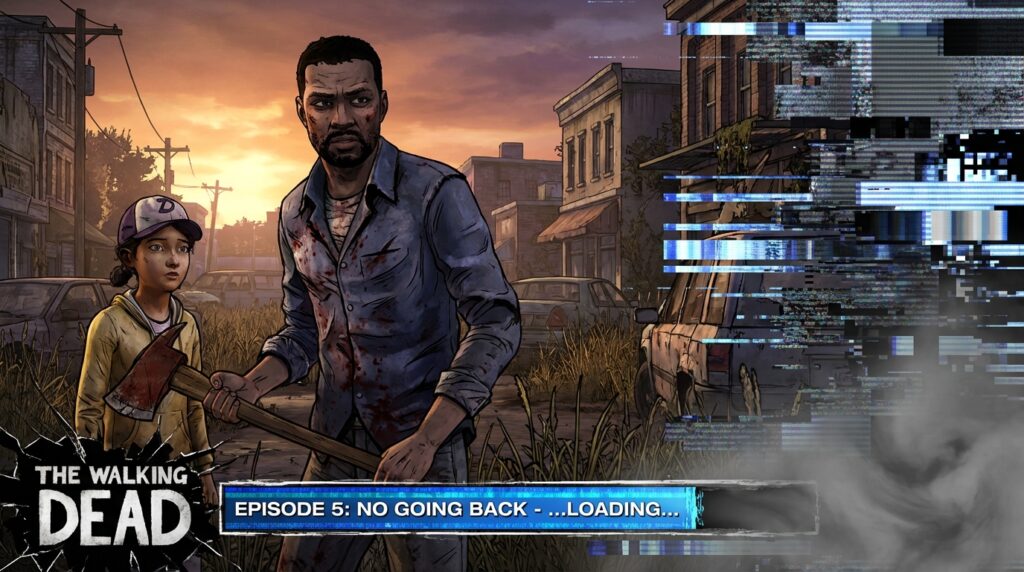
Studios that once looked like the undisputed kings of the modern adventure genre eventually became textbook examples of quantity over quality. By trying to juggle a dozen different massive licenses at once, resources were stretched so thin that the engine started chugging and the writing lost its bite. We went from the emotional gut punch of a zombie apocalypse to a conveyor belt of licensed filler that felt more like homework than entertainment. The novelty of choice matters wore off when players realized that every path led to the same predetermined destination regardless of their input. It turns out that when you try to be everything to everyone at the same time, you usually end up being nothing to nobody.
The episodic release schedule was supposed to keep the hype train rolling, but it mostly just gave us a massive case of release fatigue. Waiting three months for a two-hour chapter is a great way to make a player forget why they cared about the characters in the first place. Instead of a tight narrative experience, we got a fragmented mess that felt like watching a movie one fifteen-minute scene at a time. This stuttering pace killed the momentum and trained the audience to simply ignore the game until the inevitable Complete Season sale hit the digital storefronts. Why pay full price for a cliffhanger when you can wait six months and buy the whole finished product for the price of a sandwich?
This model effectively suffocated itself under the weight of its own release calendar and technical stagnation. While the industry moved forward with better animations and more complex systems, the episodic formula stayed trapped in a loop of recycled assets and predictable tropes. The excitement of a premiere vanished and was replaced by the realization that we were just paying to beta test a game that would be cheaper and more functional a year later. It was an experiment in how to monetize storytelling, but it ultimately proved that players value a cohesive experience over a subscription to disappointment. The collapse of this trend serves as a loud reminder that even the best story can be ruined by a terrible delivery system.
Momentum Killers and the Spoiler Tax
The episodic model was sold to us as a way to consume narrative games, promising a television-style cadence that would keep the community buzzing. In reality, it turned into a masterclass in how to kill your own hype before the second act even began. Expecting players to stay emotionally invested in a cliffhanger for four to six months is a bold strategy that almost never pays off. By the time the next two-hour chapter finally crawled onto digital storefronts, most of us had already deleted the game to make room for something that actually respected our time. You cannot build a cultural phenomenon on a foundation of to be continued when the continuation takes longer to arrive than a literal human pregnancy.
Waiting for these releases creates a massive spoiler tax that punishes anyone who does not play the millisecond a chapter drops. If you miss that tiny window of relevance, the internet will graciously ruin every plot twist for you via a stray social media thumbnail or a casual forum comment. This forced urgency is exhausting and creates a miserable environment where you are either playing a fragmented mess or dodging spoilers for a year while waiting for the full season. It is a lose-lose situation that turns what should be a relaxing hobby into a high-stakes game of information avoidance. Most people eventually realize it is easier to just forget the game exists until it hits a deep discount on a holiday sale.
The graveyard of episodic gaming is filled with ambitious projects that simply ran out of fuel or funding before they could reach the finish line. When major studios cannot even finish a three-part story for one of the biggest franchises in history, you know the business model is fundamentally broken. We saw it again with high-profile titles that were shuttered after a couple of episodes because the initial sales did not justify finishing the job. This leaves the remaining fans holding a digital paperweight that will never have an ending or a satisfying payoff. It is a high-risk gamble to sell a product that relies on a promise of future content that the developer might not even be able to deliver.
The Broken Promise of the Season Pass
The episodic gaming experiment was a noble attempt to turn our consoles into streaming boxes, but it ultimately proved that games are not sitcoms. We were promised a revolution of steady content and cliffhangers that would keep us on the edge of our seats, but instead, we got years of radio silence and abandoned storylines. When you buy a ticket to a movie, you expect to see the ending before the theater kicks you out, yet episodic gaming asked us to pay upfront for a finale that might never actually exist. This model did not fail because players have short attention spans, it failed because the industry could not keep its promises. We are tired of being treated like venture capitalists funding a project that might get shuttered because of a bad quarterly report.
It is time to demand the return of the finished product on day one without the carrot and stick routine of seasonal installments. There is no thrill in waiting eighteen months for a two-hour chapter that you will finish in one sitting while trying to remember what happened in the previous episode. Developers should focus on shipping complete, polished experiences that respect the player’s time and wallet from the moment the buy button is clicked. If a story is worth telling, it is worth telling in its entirety rather than being chopped up into bite-sized pieces for the sake of a trend. Let the episodic model remain a relic of the past so we can get back to playing linear narrative games that actually have a conclusion.
Frequently Asked Questions
1. What exactly was the promise of episodic gaming?
The industry suits tried to sell us on the idea that we would get high-quality content faster by breaking games into bite-sized chunks. It was supposed to eliminate long development cycles and keep us hooked with TV-style cliffhangers, but it mostly just resulted in us paying more for less game.
2. Why did the episodic model fail so spectacularly for most studios?
Most developers have the follow-through of a toddler in a toy store. They start with grand ambitions for a five-part series, realize that making games is actually hard, and then abandon the project the second the sales figures for Episode 1 do not look like a blockbuster.
3. Is the lack of follow-through the biggest issue in this episodic mess?
The biggest issue is the abandonment of players on long-term cliffhangers after claiming episodes would be released every few months. Major industry leaders proved that even companies with massive resources can’t manage a basic calendar, effectively poisoning the well for every other developer.
4. Should I ever buy a game that is being released in chapters?
Only if you enjoy the feeling of being ghosted by a developer halfway through a story. The smart move is to ignore the hype and wait for the inevitable Complete Edition, assuming the studio actually bothers to finish the game at all.
5. What happened to episodic titles from major publishers?
Many publishers pulled the plug on episodic comebacks because they could not maintain the momentum. It is just another example of a major company over-promising and under-delivering, leaving fans with an unfinished narratives mess of a narrative.
6. Does the episodic model ever actually work for players?
It rarely works for the players because you are essentially paying full price for a series of promises that might never be kept. While it was meant to be a revolutionary distribution method, it turned into a masterclass in corporate negligence and unfinished graveyards of content.
7. Is it better to wait for a full sequel instead of episodic content?
A traditional development cycle might take five years, but at least you usually get a finished product at the end of it. Episodic gaming is just a way for developers to charge you 30 percent of the price for 20 percent of the work while praying they do not get bored before the finale. Much like how day one patches have changed our expectations of quality, the episodic model has fundamentally altered how we perceive the value of a complete game. This constant pressure to stay engaged with unfinished content is a major contributor to live service game fatigue among modern audiences.