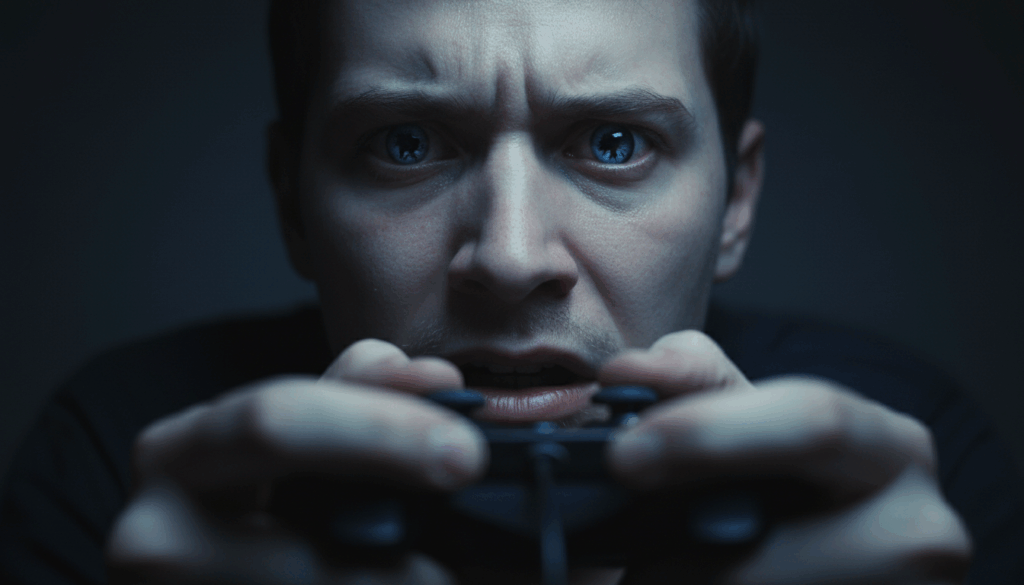
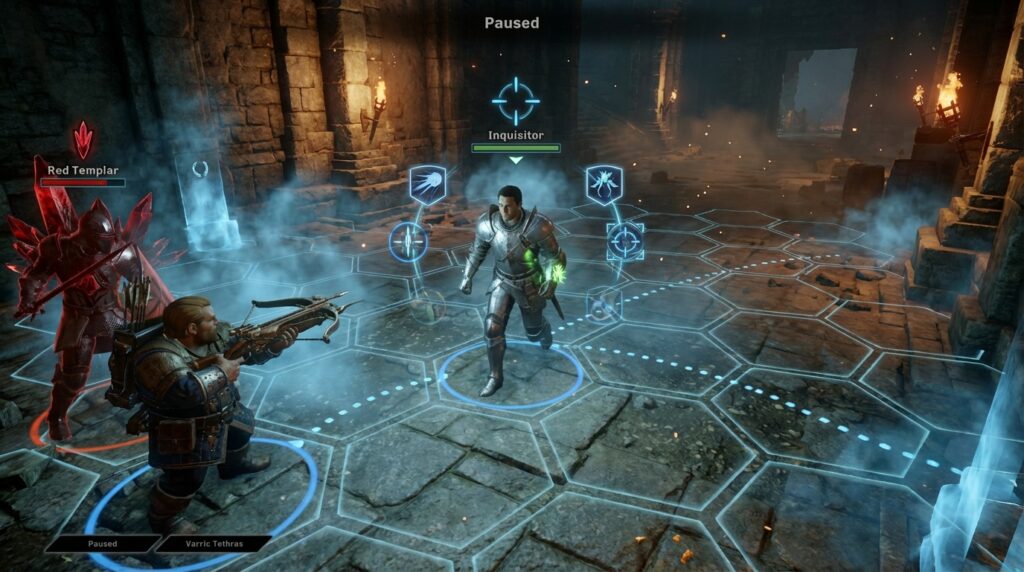
We’ve all been there: your thumb is glued to the sprint button, your heart is doing a drum solo, and you’re about to make a decision so stupid it’ll haunt your highlight reel for weeks. This is where tactical pause mechanics step in to save you from your own panicked lizard brain. Instead of just being a coward’s button, this mechanic acts as a mental circuit breaker that forces you to shift from blind button-mashing to actual, high-level strategy.
It’s the difference between charging into a room like a headless chicken and actually taking a second to realize there’s a claymore pointed at your shins. Borrowed from elite military doctrine, this stop and think moment isn’t about laziness; it’s about resetting your OODA loop so you can stop reacting and start responding. If you aren’t using the pause to realign your resources, you aren’t playing a strategy game, you’re just watching a very expensive disaster movie starring yourself.
Key Takeaways
- The tactical pause functions as a mental circuit breaker that overrides the ‘lizard-brain’ panic of real-time combat, allowing players to shift from reactive button-mashing to proactive strategy.
- By freezing time to reset the OODA loop (Observe, Orient, Decide, Act), players can dismantle complex enemy plans and execute precise maneuvers that are impossible with twitch reflexes alone.
- This mechanic offers the ideal middle ground between the frantic chaos of real-time action and the tedious, slow-paced ‘sludge’ of traditional turn-based systems.
- Incorporating a tactical pause prioritizes intellectual depth over physical execution, transforming a chaotic scramble into a sophisticated game of chess where victory is a result of superior planning.
The Evolution From Infinity Engine To Modern Combat
Back in the late nineties, the Infinity Engine gave us the ultimate “get out of jail free” card with the spacebar, effectively turning chaotic brawls into a manageable chess match. Classic RPGs realized that while real-time combat looks cool, watching your wizard Leeroy Jenkins himself into a pack of gnolls because you couldn’t click fast enough is a special kind of hell. The tactical pause mechanics acted as a mental circuit breaker, letting us override our panicked lizard brains to actually think for a second. It was the perfect middle ground for players who wanted the grit of real-time action without sacrificing the strategic depth of a pen and paper session. By freezing the frame, we could finally stop reacting like startled cats and start acting like actual commanders.
As the years rolled by, this mechanic evolved from a clunky necessity into the refined backbone of modern tactical titles. Developers took that old school DNA and polished it, realizing that a smart pause is less about stopping the fun and more about fine tuning the carnage. Modern systems have added layers like programmable AI behaviors and detailed combat queues so you can orchestrate a perfect combo while the enemies are frozen in time. It is a blunt but effective way to prioritize high-level strategy over twitch reflexes, ensuring that a well placed fireball is the result of a plan rather than a lucky misclick. This evolution proves that being a tactical genius is much more satisfying when you have the power to tell the universe to sit down and wait for a minute.
Breaking The OODA Loop In High Pressure Scuffles
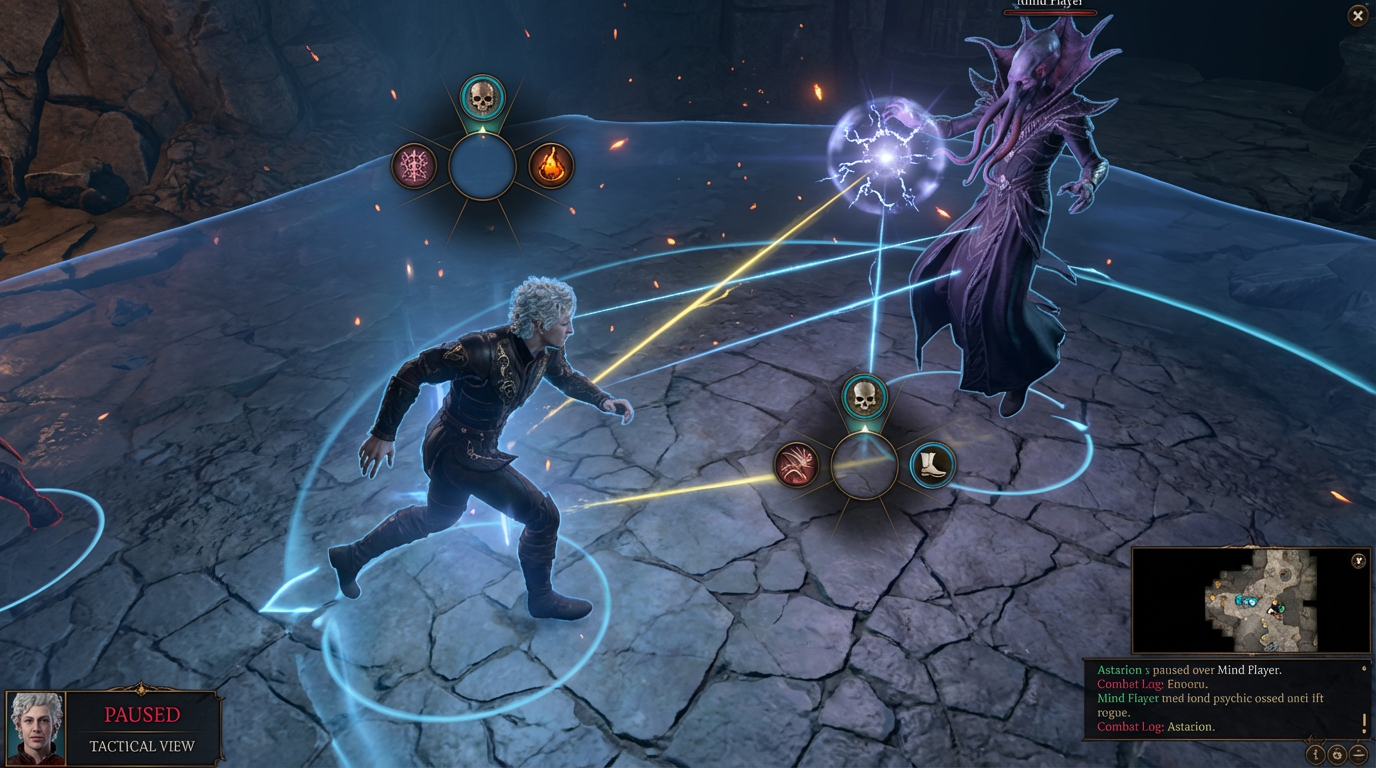
The tactical pause is essentially a legal cheat code for those of us who prefer using our brains over our twitch reflexes. While the game world expects you to panic when a group of elite guards corners you, hitting that pause button acts as a mental circuit breaker that completely halts the chaos. It allows you to step outside the frantic “fight or flight” response and actually look at the screen without the stress of a bayonet charging toward your face. You get to move from a reactive state of survival into a cold, analytical mode where you are the only one allowed to think. It is the ultimate way to tell a high-pressure situation to sit down and shut up while you figure out your next move.
Once the action is frozen, you can finally dismantle the enemy’s plan while the AI stands there looking absolutely clueless. This is where you rearrange the battlefield by queuing up abilities, repositioning your squad, and identifying the one explosive barrel that changes everything. You are essentially breaking the OODA loop by giving yourself infinite time to observe and orient while your opponents are stuck in a digital trance. It turns a frantic scuffle into a strategic puzzle where you hold all the pieces and the clock. There is a certain smug satisfaction in watching a boss encounter go from “impossible” to “trivial” just because you took five seconds to actually breathe and aim.
This mechanic bridges the gap between the beautiful chaos of real-time combat and the methodical satisfaction of a turn-based strategy game. It proves that you do not need the reaction speeds of a caffeinated teenager to dominate a battlefield if you have the discipline to stop and assess. By forcing the game to wait on you, the tactical pause ensures that your victories are a result of superior planning rather than lucky button mashing. It is a blunt reminder that being the smartest person in the room is always more effective than being the fastest. If a game offers me the chance to pause and humiliate the computer with a perfectly timed flank, I am going to take that deal every single time.
Why Pure Turn Based Systems Feel Like Sludge
Pure turn-based combat is often less of a strategic masterpiece and more of a glorified spreadsheet simulator where you wait ten minutes for a goblin to decide which direction to sneeze. There is a fine line between tactical depth and watching paint dry while a progress bar mocks your existence, and most traditional systems cross it within the first hour. You spend half your life waiting for animations to play out, only to realize your entire plan was ruined by a single dice roll five minutes ago. It is an agonizingly slow process that drains the adrenaline out of every encounter, turning what should be a life-or-death struggle into a tedious exercise in patience.
The tactical pause mechanic acts as the perfect mental circuit breaker, offering the control of a turn-based system without the soul-crushing pace. It functions like a manual override for your brain, letting you halt the chaos of real-time combat to actually assess the situation instead of just clicking wildly. You get to observe the battlefield, orient your units, and decide on a strategy without feeling like you are stuck in a queue at the post office. This approach keeps the momentum high because the action only stops when you say so, not because the game engine is waiting for its turn to think.
By utilizing a pause-and-play system, you avoid the tunnel vision that usually leads to a spectacular squad wipe in pure real-time titles. You can micro-manage your resources and realign your positioning with surgical precision, then hit the spacebar to watch your genius plan unfold in glorious motion. It provides that specific smart but blunt satisfaction of being the smartest person in the room without having to endure the sludge of a rigid turn order. This is the sweet spot for anyone who wants to play abandonware or modern strategy titles like a professional operator rather than a bored accountant.
Mastering Control Over Lizard-Brain Panic
The tactical pause is the ultimate mental circuit breaker for anyone who has outgrown the need to mash buttons like a caffeinated squirrel. While real-time purists might call it a crutch, those of us with actual responsibilities know it is a disciplined act of control that separates the tacticians from the twitch-reflex teenagers. It allows you to override that lizard-brain panic and actually engage with the game mechanics as the developers intended. Without it, you are not playing a strategy game, you are just participating in a high-stakes click-fest where the person with the lowest latency wins. A proper pause button lets you step back, scan for new variables, and weigh your potential outcomes without the stress of a ticking clock.
Every strategy game worth its salt needs this mechanic if it expects to be taken seriously by an audience that values brains over brawn. We have moved past the era where difficulty is measured solely by how many actions per minute you can sustain before your wrist gives out. A tactical pause transforms a chaotic scramble into a sophisticated game of chess, giving you the space to execute a perfect OODA loop right in the heat of battle. It turns a potential disaster into a masterstroke of planning by allowing you to orient your resources and act with precision. This level of control is why we suffer for loot in other high-stakes genres where one wrong move ends the run. If a developer thinks I am going to sweat through my shirt just to manage a simple flanking maneuver, they have clearly forgotten that some of us play games to feel smart, not rushed.
Ultimately, the inclusion of a pause feature is a sign of respect for the player’s time and intelligence. It acknowledges that the most interesting part of a strategy game is the decision-making process, not the physical execution of those commands. Games that force a constant, unyielding flow of time often end up feeling shallow because they prioritize speed over depth. By giving us the power to stop the world, developers allow for more complex systems and more rewarding victories. If your game does not let me stop and think, it belongs in the bargain bin next to the shovelware and the underrated indie RPGs that actually respect your intelligence.
Frequently Asked Questions
1. What exactly is a tactical pause mechanic?
It is a mental circuit breaker that stops time so you can stop playing like a panicked toddler. Instead of mashing buttons and hoping for a miracle, you freeze the action to issue actual, intelligent commands. It is the only thing standing between you and a very embarrassing game over screen.
2. Is using the pause button just a fancy way of cheating?
Only if you think having a brain is cheating. Real-time combat is great until the pathfinding sends your healer into a meat grinder, at which point the pause button becomes a necessary tool for survival. It turns a chaotic mess into a manageable chess match where you actually have a say in the outcome.
3. How does this mechanic improve my actual gameplay?
It forces you to reset your OODA loop and stop reacting like a startled cat. By taking a second to look at the battlefield, you can spot the claymore pointed at your shins or the flanker you completely missed. It transforms the game from an expensive disaster movie into a display of actual tactical competence.
4. Where did this stop and think style of gaming come from?
We owe our sanity to the late nineties and the Infinity Engine. Classic isometric RPGs realized that watching your wizard commit suicide in real-time was a special kind of hell, so they gave us the spacebar. It was the perfect middle ground between the grit of live action and the depth of a tabletop session.
5. Can tactical pauses work in modern games or is it an outdated feature?
It is the refined backbone of modern tactical masterpieces. Developers realized that as games get more complex, your lizard brain needs a way to override the chaos. It is not outdated, it is an essential evolution for anyone who prefers strategy over blind luck.
6. What happens if I refuse to use the tactical pause?
You will spend most of your time watching your characters make decisions so stupid they will haunt your highlight reel. Without the pause to realign your resources, you are not playing a strategy game. You are just a spectator at your own funeral.