We have reached a point in the professional world where a job posting for a glorified filing clerk looks exactly like an application for NASA flight director. This epidemic of pointless skill bloat has turned the modern resume into a work of fiction, demanding four-year degrees and mastery of dead languages just to answer a telephone. It is the ultimate grind for no loot scenario, where the barrier to entry has absolutely nothing to do with the actual gameplay of the job.
If you are tired of jumping through flaming hoops just to earn the privilege of sitting in a cubicle, you are not alone. The industry is finally waking up to the fact that requiring a Bachelor degree for middle management is just lazy game design on the part of HR. We are seeing a massive Degree Reset because, shockingly, you do not need a debt-heavy diploma to master a spreadsheet or talk to customers. It is time to uninstall the fluff and get back to hiring people based on what they can actually do.
Key Takeaways
- The modern workforce and gaming industry are suffering from an epidemic of ‘skill bloat,’ where meaningless credentials and minor stat increases are used to mask a lack of substantive depth.
- The ‘Degree Reset’ is a necessary correction to HR’s lazy reliance on expensive diplomas for roles that only require practical, task-specific skills.
- Meaningful progression must provide transformative new abilities that fundamentally change gameplay rather than forcing players to grind for marginal, passive numerical buffs.
- Quantity is not quality; massive skill trees and complex job requirements are often just ‘mathematical noise’ designed to waste time and simulate complexity where none exists.
The Illusion Of Choice In Passive Stat Buffs
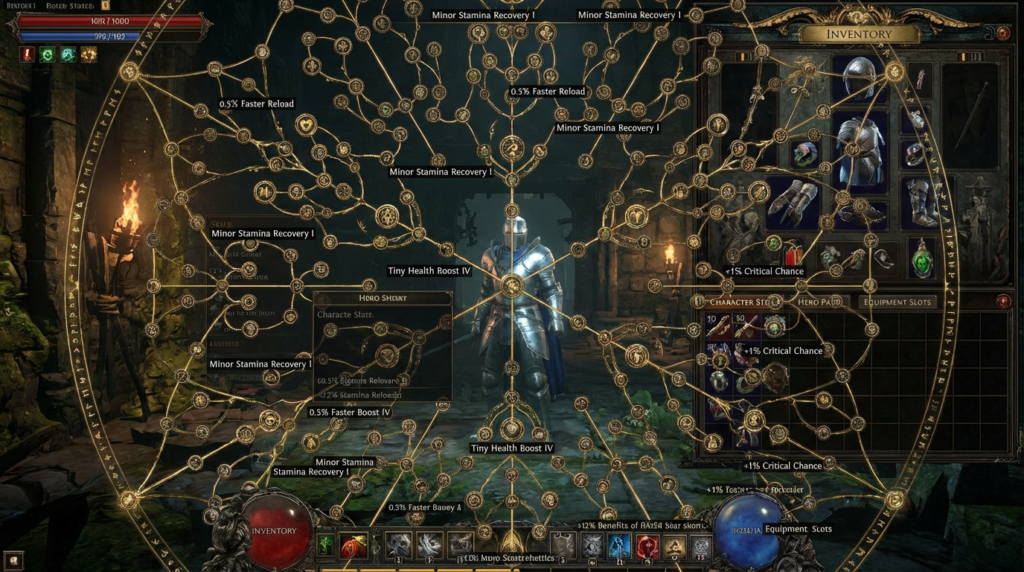
Modern RPGs seem to think that a skill tree is not impressive unless it looks like a digital representation of the Milky Way, but most of those stars are just dead weight. You open a menu expecting a new move or a tactical shift, only to be greeted by a pathetic plus zero point five percent fire damage node that costs three hours of grinding. It is the ultimate illusion of progression, designed to keep you clicking buttons without actually providing any tangible change to how you interact with the world. I do not care about a fraction of a decimal point when I am still swinging my sword with the exact same animation I had at level one. This is lazy design disguised as depth, and it treats the player like a toddler who needs a gold star every five minutes just to keep their attention focused.
The industry has become obsessed with these bloated systems because they are an easy way to pad out game time without actually designing new mechanics. Instead of giving us a double jump or a parry system that changes the flow of combat, developers just shower us in tiny stat increases that require a spreadsheet to track. It is the gaming equivalent of degree inflation, where you are forced to jump through more hoops for a reward that has less actual value than it did a decade ago. If my character is supposed to be getting stronger, I want to see the results in the gameplay, not in a hidden menu five layers deep. Stop wasting my time with these microscopic buffs and give me a skill that actually matters when the monsters start swinging back.
Leveling Up Into A Spreadsheet Nightmare
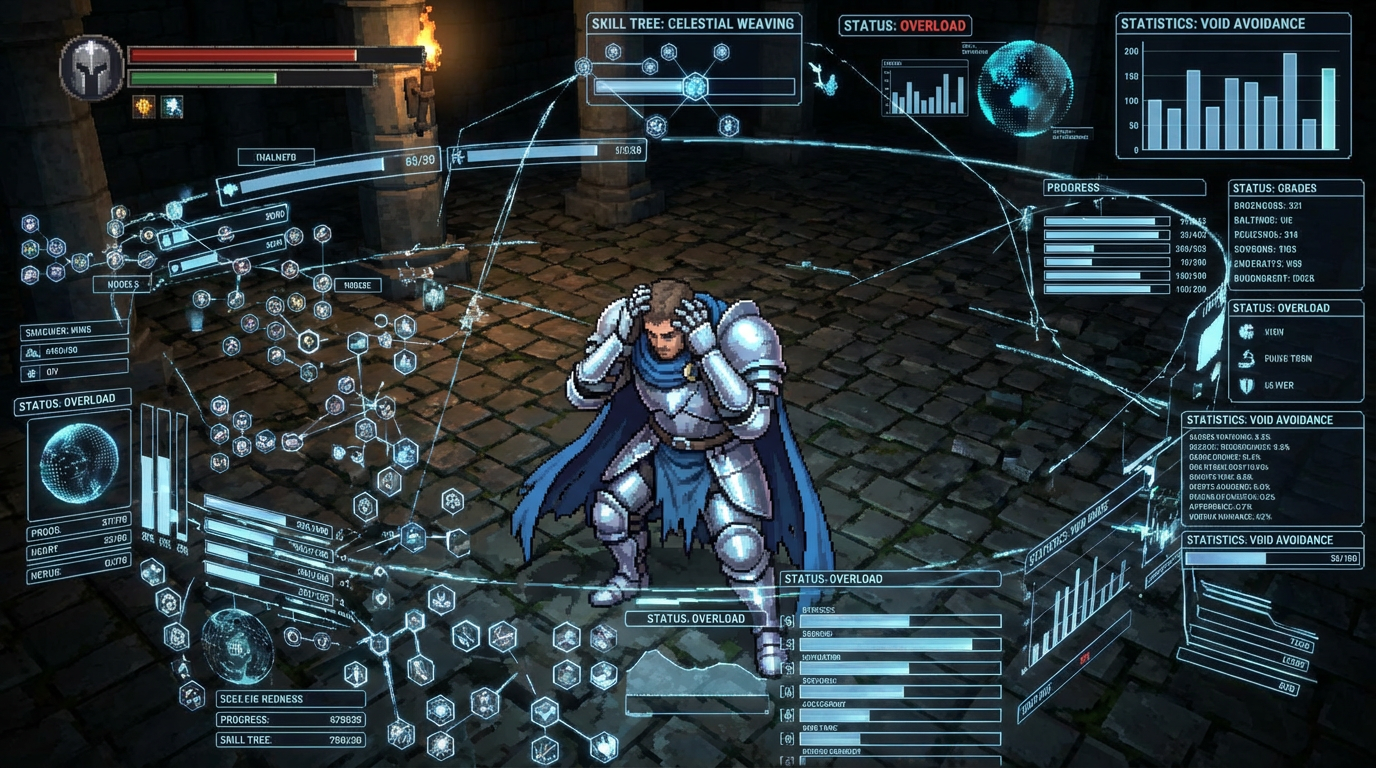
Modern RPGs have developed a pathological obsession with turning your character sheet into a cluttered tax return. Instead of giving you a cool new ability like a double jump or a firestorm, developers now bury you under a mountain of passive stat boosts that offer zero gameplay variety. You spend forty hours grinding just to unlock a 2 percent increase in poison resistance or a marginal boost to stamina regeneration that you will never actually feel. This is not character growth, it is a desperate attempt to hide a lack of creative content behind a curtain of mathematical noise. We are being forced to work a second job as an accountant just to make our digital avatar slightly less incompetent.
The sheer volume of these junk traits creates a massive disconnect between the time you invest and the fun you actually have. You find yourself staring at a skill tree that looks like a sprawling subway map, only to realize that every single station leads to the exact same boring destination. It is the gaming equivalent of degree inflation, where you need a master degree in menu navigation just to perform the basic task of hitting a goblin with a stick. Developers use this quantity to simulate depth, hoping you will not notice that the core combat has not changed since the tutorial. If I wanted to spend my weekend managing spreadsheets for incremental gains, I would just stay at the office and ask for a raise.
This lazy design philosophy treats the player time like a bottomless resource that deserves to be wasted. We are seeing a total collapse of meaningful choice because when everything is a priority, nothing actually matters. You are not building a unique hero, you are just filling in bubbles on a standardized test until the game finally lets you have a shred of power. It is time to stop praising these bloated systems as deep or complex when they are really just empty. We should demand mechanics that actually change how we play the game rather than another dozen ways to shave half a second off a cooldown timer.
Meaningful Mechanics Versus Lazy Numerical Bloat
Modern RPGs have developed a pathological obsession with making numbers go up without actually changing how the game feels. You spend three hours grinding through a dungeon only to unlock a skill that grants a thrilling two percent increase to fire resistance or a marginal boost to your carry weight. This is the gaming equivalent of degree inflation, where you are forced to jump through endless hoops just to stay relevant in a world that has not actually become more complex. Instead of earning a double jump or a parry that turns enemies into confetti, you are just collecting digital stickers that say you are slightly less pathetic than you were ten minutes ago. It is a lazy design tactic used to trick your brain into thinking you are making progress when you are really just treading water in a sea of spreadsheets.
True progression should feel like a revelation that fundamentally alters your interaction with the world. I want to see mechanics that redefine my combat strategy or open up paths that were previously impossible to navigate. When a developer replaces a transformative ability with a passive five percent crit chance, they are admitting they ran out of ideas and decided to let the math do the heavy lifting. This numerical bloat creates a disconnect between the effort you put in and the satisfaction you get out of the experience. We are essentially being asked to get a doctorate in clicking buttons just to perform the entry level task of finishing the story. If the next skill point I spend does not let me do something cool, I might as well be filing my taxes in a fantasy setting.
The Illusion of Depth and Passive Stat Bloat
We need to stop pretending that a three percent increase in fire damage is a reward worth thirty hours of our lives. Modern RPGs have become obsessed with the illusion of depth, burying us under a mountain of passive stat boosts that do absolutely nothing to change how we actually play the game. It is a lazy developer shorthand for content, designed to keep your lizard brain engaged with shiny icons while the actual gameplay remains as stagnant as a pond in July. If I have to navigate a skill tree the size of a galaxy map just to find a perk that makes my reload speed slightly less tragic, the system has failed. We are being fed quantity disguised as quality, and it is time we started calling out these bloated progression tracks for the time wasting fluff they really are.
The parallel between this digital bloat and the real world degree reset is honestly a little too depressing to ignore. Just as employers started demanding four year degrees for jobs that basically involve clicking a mouse and answering phones, game studios are demanding we grind for meaningless credentials before letting us have any real fun. We are seeing a total disconnect between the effort required and the utility provided, leading to a gameplay loop that feels more like a second job than an escape. A skill system should be an invitation to experiment with new mechanics, not a mandatory certification process that forces you to jump through hoops for a marginal upgrade. We deserve systems that respect our intelligence and our schedules rather than treating our free time like a resource to be mined.
Demanding better from the industry starts with refusing to praise a game just because it has a massive talent tree. A thousand nodes of garbage do not equal a deep experience, and we should be championing titles that offer impactful choices over those that simply inflate their playtime. We need to push for progression that offers genuine variety, where every point spent feels like a shift in strategy rather than a drop in a very large bucket. If a game cannot make its upgrades interesting, it should not be asking us to spend weeks chasing them. Let us stop settling for the digital equivalent of participation trophies and start expecting systems that actually make the game better to play.
Frequently Asked Questions
1. What exactly is pointless skill bloat?
It is the industry obsession with adding meaningless layers of complexity to jobs and games just to waste your time. Whether it is a job requiring a Master degree to file paperwork or a skill tree full of tiny stat buffs, it is all fluff designed to hide a lack of actual substance.
2. Why do HR departments keep demanding degrees for entry-level roles?
Most HR departments are just using lazy game design because they do not want to put in the work to find real talent. Requiring a four-year degree is a low-effort filter that ignores what a person can actually do in favor of a piece of paper that cost fifty thousand dollars.
3. Are tiny stat buffs in games ever actually worth the grind?
Almost never. If you have to spend three hours grinding just to get a half-percent increase in fire damage, you are being played by a developer who forgot how to make a fun game. Real progression should change how you play, not just make a number slightly larger.
4. What is the Degree Reset and why should I care?
The Degree Reset is the long-overdue realization that demanding a diploma for middle management is a massive waste of everyone time. Companies are finally waking up and uninstalling these ridiculous requirements to focus on actual skills and performance instead of academic filler.
5. How can I tell if a game’s skill tree is just bloated filler?
Look at the nodes and ask yourself if they actually unlock a new move or a tactical shift. If the entire tree is just a collection of passive stat increases that do not change your combat animations, you are looking at a digital representation of a participation trophy.
6. Is there any benefit to these complex systems?
The only benefit is for the people selling you the experience because it pads out the clock and makes a shallow product look deep. For you, the player or the job seeker, it is just a series of flaming hoops you have to jump through for no actual loot.