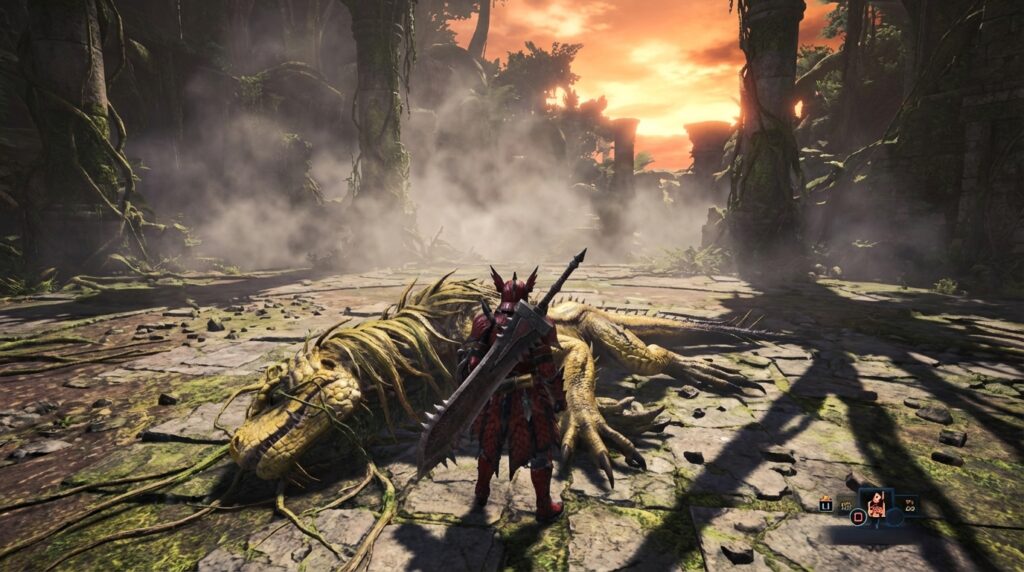
For years, developers have been trying to bottle the lightning of the boss fight as a gameplay loop formula, but the graveyard of monster hunting clones is officially getting crowded. It turns out that making a game about hitting a giant lizard with an oversized ironing board is easy, but keeping people interested for more than a weekend is apparently a Herculean task. While the king of the genre continues to sit comfortably on its throne of carved scales, the pretenders to that throne are dropping like flies in a toxic swamp.
The latest casualty is the biggest shock of all, proving that even a massive head start and a free-to-play price tag cannot save you from corporate mismanagement and questionable pivots. I have watched the most prominent challenger announce its total shutdown, leaving a massive power vacuum and a lot of very frustrated players in its wake. If you thought the hunting genre was a gold mine for anyone with a weapon-crafting menu, 2025 is here to tell you that the ecosystem is actually a lot more cutthroat than it looks.
Key Takeaways
- The hunting genre is a cutthroat ecosystem where even high-profile challengers frequently fail due to corporate mismanagement, technical debt, and a focus on short-term monetization over core gameplay.
- Relying on gimmicks like blockchain or building mechanics cannot save a title if the developer fails to provide long-term support, polished hitboxes, and a progression system that respects the player’s time.
- Most monster-hunting clones collapse because they mistake tedious grinding for difficulty and prioritize quarterly earnings over the sustainability of the live-service community.
- While the industry leader remains the gold standard, players seeking variety should look toward high-speed anime-style combat or gritty, methodical alternatives that offer distinct mechanical identities.
The Spectacular Collapse Of Major Hunting Titles
The graveyard of hunting action games is getting crowded, and it is honestly depressing to see how quickly the mighty have fallen. For a while, it looked like we finally had a free-to-play alternative that actually respected our time, but then the suits decided that monster hunting and blockchain nonsense were a match made in heaven. Between a bizarre acquisition by a crypto firm and a series of brutal layoffs, the developer essentially gutted the soul of a game that once boasted millions of players. Instead of focusing on the core loop of smashing behemoths, the project got bogged down in corporate pivot after corporate pivot until the servers were finally handed a total shutdown for May 2025. It is a textbook example of how to take a winning formula and suffocate it with bad business decisions and technical debt.
If the collapse of the free-to-play market leader was a slow burn, the other major challenger felt more like a hit and run. On paper, it had everything going for it, including a massive publisher and a clever building mechanic that actually added a layer of strategy to the frantic combat. However, the launch was a technical disaster that ran like a slide show on even the beefiest hardware, and the publisher seemed to lose interest faster than a toddler with a new toy. Instead of digging in and fixing the performance issues to build a long-term community, the support just evaporated, leaving players with a half-baked experience that deserved way more polish. It is the classic launch and abandon strategy that treats games like disposable assets rather than living worlds, proving that you cannot just throw money at a genre and expect to dethrone the king.
The real tragedy here is that both of these games actually had some great ideas that dared to innovate where the genre leader usually plays it safe. Whether it was the streamlined accessibility of the free-to-play model or the verticality of the building systems, there was genuine potential to push the hunting genre forward. Now, players are left with fewer choices and a bitter taste in their mouths because these studios prioritized short-term trends or quarterly earnings over the actual gameplay loop. It turns out that if you want to compete with the gold standard of monster hunting, you need more than just a big budget or a gimmick. You actually have to stick around and show the players that their time and investment won’t be deleted from a server the moment the spreadsheets look a little thin.
Innovation Versus Shameless Asset Flipping Mechanics
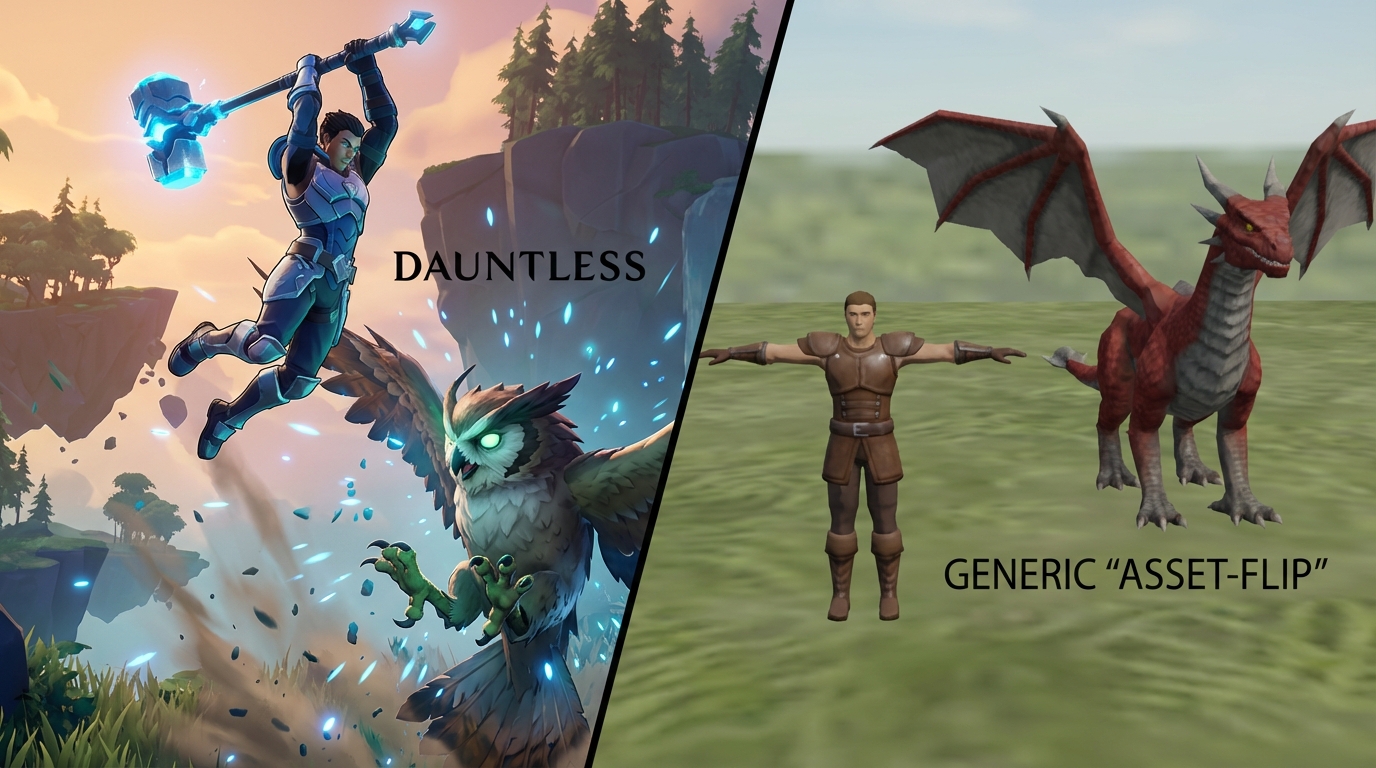
The hunting action genre is currently a graveyard of good intentions and lazy execution, where the line between a love letter and identity theft is thinner than a monster’s hitbox. While the gold standard focuses on precise animation and meaningful progression, too many imitators think they can just swap a dragon for a giant beaver and call it a day. I can always tell when a developer actually respects my time because the gameplay loop feels like a dance rather than a chore. Innovation means giving us tools that change the verticality of a fight or elemental systems that actually matter, not just a clunky stamina bar and a prayer that the dodge roll works.
Lately, the decline of major free-to-play competitors has exposed a harsh truth about the sustainability of these massive boss-rush titles. When a game relies on blockchain gimmicks or acquisition-heavy business models instead of refining its core combat, it is usually a sign that the fun is secondary to the monetization. I have spent way too many hours fighting the camera instead of the creature because some studio decided to lift the aesthetic of a classic without understanding the math behind the hitboxes. If a game asks for fifty hours of my life to reach the end-game, it better have more to offer than recycled assets and a frame rate that chugs like a broken radiator.
The real gems in this category are the ones that take the hunt, craft, repeat formula and inject a shot of adrenaline into the mechanics. Whether it is building intricate traps on the fly or utilizing unique weapon transformations that do not feel like carbon copies of a Great Sword, these features define a game’s soul. We do not need another hollow clone that feels like it was assembled from a generic asset store by people who have never timed a counter-attack. If a developer cannot bother to make the movement feel fluid, then I am not going to bother sticking around for the inevitable server shutdown announcement.
Essential Hunting Alternatives Worth Your Hard Drive Space
If you are looking for a game that actually respects your time instead of burying you in mindless busywork, there is one recent challenger that stands out as the most competent to hit the scene in years. While most imitators just swap out scales for fur and call it a day, this title introduces a building mechanic that actually feels like a strategic tool rather than a gimmick. You are not just swinging a giant slab of iron at a radioactive squirrel, you are constructing traps and towers mid-combat to dictate the flow of the fight. It is a refreshing departure from the usual formula that proves you can innovate on a classic loop without losing the satisfying crunch of a successful hunt. The monsters feel distinct and the weapons have enough weight to keep you from feeling like you are slapping a brick wall with a pool noodle.
Despite the recent collapse of some high-profile free-to-play titles in the genre, certain high-speed alternatives remain a solid choice for those who prefer their hunting with a side of anime melodrama and blistering speed. These titles ditch the slow, methodical tracking of their peers for a high-octane combat system that prioritizes mobility and flashy transformations. You will spend less time picking mushrooms and more time devouring gods with weapons that shift between blades and guns on the fly. It is unapologetically loud and fast, providing a perfect palate cleanser for when you are tired of sharpening your blade every five seconds. This is the kind of hidden gem that succeeds because it knows exactly what it wants to be, a frantic boss rusher that does not pretend to be a nature documentary.
For the players who want a grittier experience without the colorful fluff, some open-world approaches work quite well for the genre. These lean heavily into mythology, pitting you against massive demons that you have to systematically dismember to stand a chance at winning. The combat feels deliberate and heavy, rewarding players who take the time to learn patterns rather than those who just mash buttons and hope for the best. It might not have the massive budget of the industry leader, but it makes up for it with a cohesive world and a progression system that does not feel like a second job. If you can handle a bit of aging in the graphics department, it is a fantastic alternative that proves there is still life in the hunting genre outside of the usual suspects.
Why Copying the Industry Leader is Failing Everyone
The reality is that most of these hunting action clones are less like a fresh challenge and more like a lukewarm leftovers buffet. While I appreciate any developer trying to shake up the formula, most of these titles end up being hollow shells that lack the mechanical depth required to sustain a long-term player base. With the recent high-profile collapse of the genre’s biggest free-to-play competitor, it is clear that simply copying the homework of the industry leader is not a viable business strategy. If a game cannot respect your time with meaningful progression and polished combat, it deserves to be uninstalled to make room for something that actually functions.
You are much better off polishing your existing gear and waiting for the next official masterpiece rather than settling for a mediocre imitation. Most of these clones fail because they mistake tedious grinding for actual difficulty, leading to a loop that feels more like a second job than a hobby. Unless a new challenger brings something genuinely different to the table, like a physics system that actually works or monsters that do not clip through solid walls, there is no reason to jump ship. Save your sanity and your hard drive space for the real deal, because life is way too short to play a budget version of a game that already exists in a superior form.
Frequently Asked Questions
1. What exactly makes a game a monster hunting clone?
It is a specific loop where you track a giant boss, hit it with a weapon the size of a surfboard, and turn its skin into a slightly better hat. If the game is about boss fights as the entire gameplay loop, it is trying to sit at the head of the table.
2. Why is the leading free-to-play hunting game shutting down its servers in 2025?
The developers traded their soul for blockchain nonsense and suffered through a series of brutal corporate pivots. Between a crypto firm acquisition and massive layoffs, the game became a textbook example of how to take a winning formula and suffocate it with bad business decisions and technical debt.
3. Is the latest major building-based hunting game still worth playing right now?
Only if you enjoy ghost towns and unfinished potential. The publisher basically pulled the plug on support faster than a monster flees an area, leaving the game in a state of perpetual abandonment.
4. Why do so many of these games fail to last more than a year?
Making a giant lizard is easy, but balancing a progression system that keeps people grinding for months is a Herculean task most developers fail. Usually, the corporate suits get bored of the slow growth and pivot to some new trend, effectively killing the community.
5. Are there any hunting games left that are actually worth my time?
Aside from the king itself, the pickings are becoming dangerously slim. Most pretenders to the throne are either already in a graveyard or currently being measured for a coffin by their publishers.
6. Is the free-to-play model better for this genre?
It sounds great on paper until the monetization starts affecting the grind. As we have seen with recent failures, a free price tag cannot save a game from mismanagement and the inevitable rot of corporate greed.