
Remember the days when hunting a Platinum meant grinding for 40 hours in a sewer or beating a boss on a difficulty setting designed by a masochist? Thankfully, the industry finally realized we have lives, shifting the focus toward hidden trophy requirements that actually reward you for seeing the world instead of just suffering through it. We are seeing a trend where the hidden stuff is less about obscure button combos and more about narrative milestones and exploration that does not feel like a second job.
Take the upcoming Ghost of Yōtei, for example, which seems to be doubling down on the philosophy of respecting the player’s time. You are not going to be punished for playing on Easy, but you will have to actually engage with the world, painting sumi-e art and hunting down specific bounties, to get that shiny digital icon. It is a refreshing change of pace to see developers prioritize atmosphere over artificial difficulty spikes that only serve to inflate playtime.
Key Takeaways
- The gaming industry is shifting away from masochistic difficulty and grind-heavy trophies toward milestones that reward world exploration and narrative engagement.
- Hiding basic story progress behind ‘hidden trophy’ tags is a lazy design trend that fails to protect spoilers and creates unnecessary friction for players.
- Developers must stop using excessive collectibles and obscure mini-games to artificially inflate playtime at the expense of meaningful gameplay depth.
- A well-designed Platinum trophy should serve as a victory lap for mastering mechanics rather than a second job that demands total subservience of a player’s free time.
The Cowardice Of Obscure Narrative Milestones
We need to have a serious talk about the absolute cowardice of hiding basic story milestones behind those annoying little gray boxes. Developers seem to think they are protecting some sacred narrative secret by marking a hidden trophy as hidden when it literally just rewards you for finishing Chapter One. This trend has become a plague in modern gaming, where my trophy list looks like a redacted government document for a game I have already seen fully spoiled on my social media feed. It is a lazy attempt at mystery that serves no purpose other than making completionists jump through hoops to see if they missed something important. You are not protecting the plot, you are just making me open a web browser to confirm that the hidden requirement was exactly what I thought it was.
The upcoming release of Ghost of Yōtei seems to be following this path of accessibility, but the reliance on these obscure tags still feels like a participation trophy in disguise. While it is great that we do not have to endure grueling difficulty spikes for a Platinum anymore, hiding simple tasks like completing a sumi-e painting or finishing a bounty mission is just unnecessary. If the goal is to encourage exploration, let the world do the heavy lifting instead of playing hide and seek with the user interface. We all know the protagonist is going to fight the main group of antagonists, so hiding the trophies for defeating them is about as effective as a screen door on a submarine. It is time to stop pretending that every bronze trophy is a massive plot twist and just let us see the checklist we are actually working toward.
Padding Playtime With Nonsense Collectible Hunts
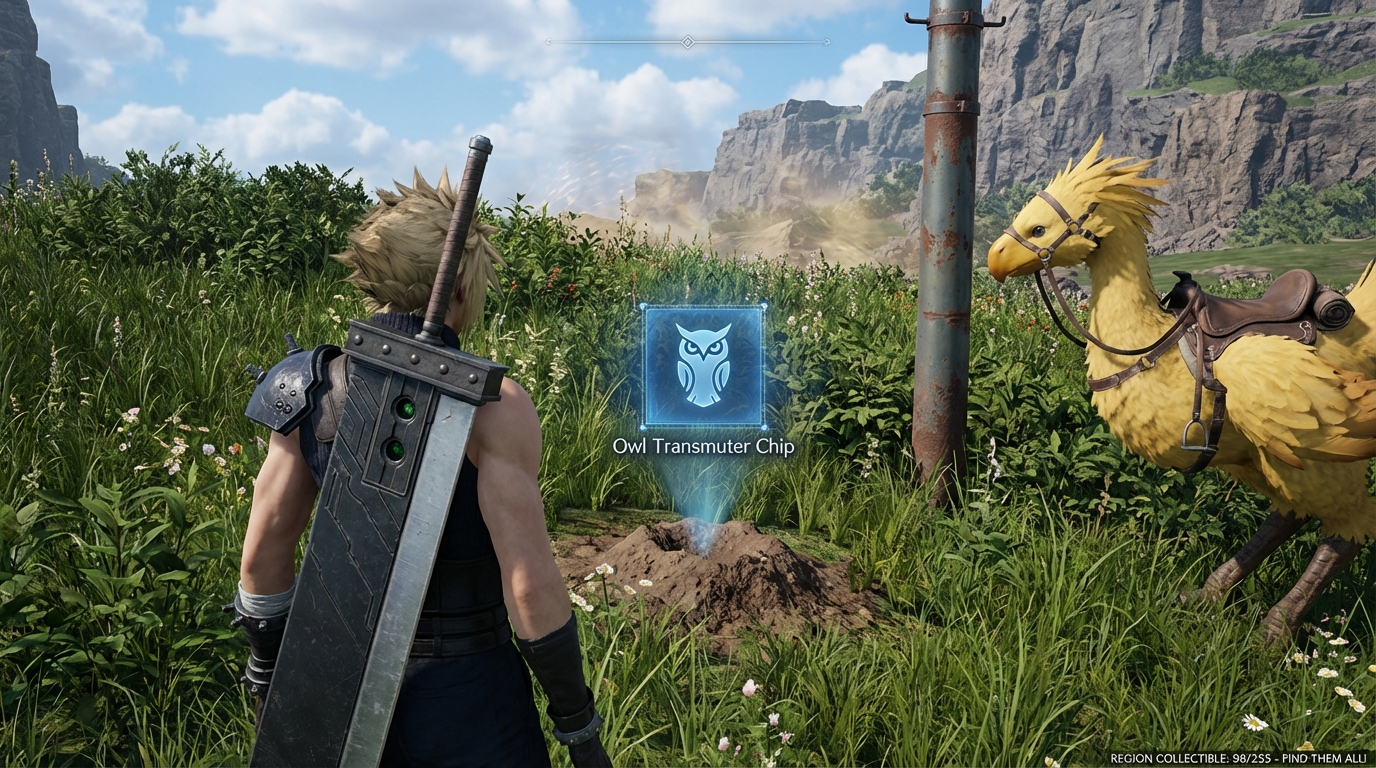
There is a special kind of hell reserved for developers who think finding five hundred invisible feathers is a substitute for actual gameplay depth. We have all been there, staring at a guide because the last hidden collectible is tucked behind a texture that looks like every other rock in the game. It is not a test of skill, and it certainly is not a test of patience, it is just a blatant attempt to inflate the hours played metric for a quarterly board meeting. If your Platinum trophy requires me to spend six hours wandering a map with no objective markers, you have failed as a designer. I want to feel like a legendary warrior, not a part-time janitor scanning every corner for digital trash.
Even more offensive are the obscure mini-games that feel like they were coded by a sadistic intern on a Friday afternoon. You know the ones, where you have to win a rigged card game fifty times in a row or master a racing mechanic that the physics engine clearly was not built to handle. These chores are often hidden behind secret requirements that nobody would ever find without a community of thousands of players brute-forcing the logic. It is an insult to the player’s time and a cheap way to pretend a game has endless content when it really just has endless busywork. Completing these tasks does not make me feel accomplished, it just makes me feel like I need to rethink my life choices.
Thankfully, the industry seems to be slowly waking up to the fact that players actually have lives outside of their consoles. Recent hits seem to be leaning into narrative milestones and exploration that actually rewards you for seeing the world. Instead of pixel hunting for junk, we are getting trophies for completing cultural activities like sumi-e paintings or hunting specific bounties that actually have a story attached. This is how you handle a completionist’s checklist without making them want to throw their controller through a window. If I am going to spend forty hours chasing a shiny digital icon, at least give me something interesting to look at while I do it.
Skill Walls And The Masochism Problem
We need to have a serious talk about the developers who think hidden is a synonym for masochistic. While recent hits seem to understand that players actually have lives, some titles double down on the kind of design that makes you want to launch your controller into low earth orbit. It starts off as a stylish action game, but the moment you check those secret trophy requirements, the fun evaporates faster than a health bar on the highest difficulty. You are not just playing a game anymore, because you have effectively signed a contract for a second job that pays exclusively in digital icons and regret.
The real problem is that these hidden milestones often mask insane difficulty spikes that the base game never prepares you for. You might spend twenty hours perfecting your combos only to find out the Platinum requires you to finish the game without getting hit once while blindfolded and reciting the alphabet backward. It is a cynical way to pad out playtimes by forcing players to engage in the most tedious, repetitive loops imaginable under the guise of challenge. There is no prestige in a trophy that only proves you have a higher tolerance for boredom and frustration than the average human being.
I am all for a rewarding challenge, but there is a massive difference between a skill check and a literal wall of nonsense. When a developer hides a requirement like defeating 10,000 enemies with a wooden sword behind a question mark, they are not being clever or mysterious. They are hiding the fact that their game lacks meaningful endgame content, so they decided to hold your completionist brain hostage instead. If I wanted to do mindless, unpaid labor for twelve hours a day, I would just find a way to work for a startup.
Stop Letting Developers Steal Your Time
That digital icon is not going to pay your rent or tuck you in at night, so stop letting developers treat your free time like a renewable resource. While some games are finally moving toward sensible, exploration-based milestones, we still see too many titles hiding Platinums behind mind-numbing busywork. There is a massive difference between a rewarding challenge and a developer trying to artificially inflate their engagement metrics by making you collect excessive collectibles like 500 identical pigeon feathers. If the requirements feel like a second job that pays in imaginary stickers, it is time to put the controller down and reclaim your sanity.
We need to stop rewarding studios that think difficulty means grinding a 0.01 percent drop rate or completing a mission without blinking for three hours. When you settle for these disrespectful design choices, you are essentially telling the industry that your time has zero value. A great trophy should be a victory lap for mastering a game’s mechanics, not a hostage situation involving your social life and sleep schedule. If a game expects you to perform a 100-hit combo while blindfolded just to see a silver trophy pop, it is not a masterpiece, it is a cry for help from a sadistic level designer.
Your backlog is far too long to spend another dozen hours chasing a hidden requirement that adds nothing to your actual enjoyment of the story. Focus on the games that respect your intelligence and your schedule instead of the ones that demand total subservience for a pixelated trophy. If the hidden part of the requirement is just a polite way of saying boring chore, do yourself a favor and hit that uninstall button. Life is short, gaming should be fun, and you are officially allowed to stop caring about a completion percentage that feels like a prison sentence.
Frequently Asked Questions
1. What is the point of hiding a trophy that I get just for finishing a chapter?
There is not one. It is a lazy design trend that treats basic plot points like state secrets even though the entire internet has already spoiled the ending. It serves no purpose other than forcing you to waste time checking a wiki to make sure you did not miss a real challenge.
2. Will playing on Easy mode prevent me from getting the Platinum?
No, because developers are finally realizing that punishing people for their difficulty preference is elitist nonsense. You can enjoy the scenery on the easiest setting and still take home the trophy as long as you actually engage with the world. Focus on the art and the bounties instead of worrying about your blood pressure.
3. Why are developers moving away from ultra-grindy trophies?
Because nobody actually enjoys spending forty hours in a sewer for a single digital icon. The industry is shifting toward rewarding exploration and atmosphere because it keeps you engaged with the actual game rather than turning your hobby into a second job. It is about respecting your time instead of inflating playtime with artificial suffering.
4. How can I tell the difference between a story trophy and a secret challenge?
Unless you want to risk spoilers, you usually cannot, which is exactly why the current system is broken. Most hidden trophies are just narrative milestones, but occasionally a developer will hide a cool, missable Easter egg behind that gray box. It is a gamble that usually ends with you looking at a redacted list that looks like a government cover-up.
5. What kind of hidden tasks should I actually expect in modern games?
Expect tasks that require you to interact with the environment in specific ways, like painting sumi-e art or hunting down unique bounties. These requirements are designed to make you see the content the developers actually spent time building. It is a much better alternative to the old method of making you beat a boss while blindfolded and sitting on a cactus.
6. Is the hidden trophy mechanic ever used effectively?
It works when it protects a genuine, late-game plot twist that would actually be ruined by a title. Unfortunately, most studios use it as a default setting for every single trophy, which completely kills the impact. When everything is a secret, nothing is, and the mechanic just becomes an annoying hurdle for completionists.