Hollywood has finally realized that slapping a famous logo on a dumpster fire doesn’t automatically print money anymore. We are currently drowning in classic franchise reboots that are desperately trying to win back our trust by hiring the original creators to fix the mess the last guys made. It is a transparent attempt to weaponize our childhood nostalgia, but occasionally, someone actually remembers to make a decent movie in the process.
The 2025 scoreboard is a chaotic mix of genuine surprises and the usual corporate laziness. While Jurassic World Rebirth is actually trying to be scary again instead of a glorified petting zoo, Disney is busy turning every pixel of your childhood into a live-action ATM. I am here to tell you which of these resurrections are worth your ticket price and which ones deserve to stay buried in the archives.
Key Takeaways
- Effective franchise reboots must prioritize atmospheric dread and primal stakes over fan service and ‘easter egg’ nostalgia to remain relevant.
- Disney’s live-action remakes often fail by prioritizing hyper-realistic CGI over the expressive charm and artistic intentionality of the original hand-drawn animation.
- The successful ‘back-to-basics’ approach requires hiring genre specialists who treat environments as characters and remove the ‘plot armor’ that typically protects legacy casts.
- A reboot only justifies its existence when it introduces a transformative vision or evolves the core mechanics rather than acting as a soulless corporate cash grab.
The Gareth Edwards Approach To Primal Horror
Gareth Edwards understands a fundamental truth that most big budget directors ignore, which is that monsters are only scary when you cannot see them. By stripping away the bloated legacy casts and the wink at the camera nostalgia, he forces the audience to stop looking for Easter eggs and start looking for the exit. This shift toward atmospheric dread is exactly what a rotting franchise needs to survive the stench of its own previous failures. Instead of a theme park ride, we get a survival horror experience that respects the source material by actually making it dangerous again. It is a bold move to ditch the fan service, but it is the only way to prove a series still has teeth.
The industry has spent decades trying to sell us the same action figures wrapped in increasingly shiny plastic, and frankly, I am bored of it. We do not need another superhero team up disguised as a creature feature where every character is protected by a thick layer of plot armor. Edwards treats the environment like a character, using shadows and sound design to create a sense of scale that makes humans feel insignificant. This approach mirrors the best classic franchise reboots where the focus shifts back to the core mechanics of tension rather than just bloating the screen with assets. If you want to save a legacy, you have to stop treating it like a museum and start treating it like a nightmare.
Relying on original creators like David Koepp to ground the narrative while a genre specialist handles the visuals is the ultimate “get out of jail free” card for Hollywood. It bypasses the corporate mandate to appeal to everyone and focuses on the primal fear that made the original property a hit in the first place. You can keep your CGI spectacles and your multi movie crossover events because I would rather watch a single, well paced scene of a predator stalking its prey. This isn’t just a stylistic choice, it is a necessary evolution for any franchise that wants to avoid being uninstalled from the public consciousness. A reboot should feel like a threat, not a trip down memory lane.
Disney’s Lilo And Stitch Live Action Fatigue
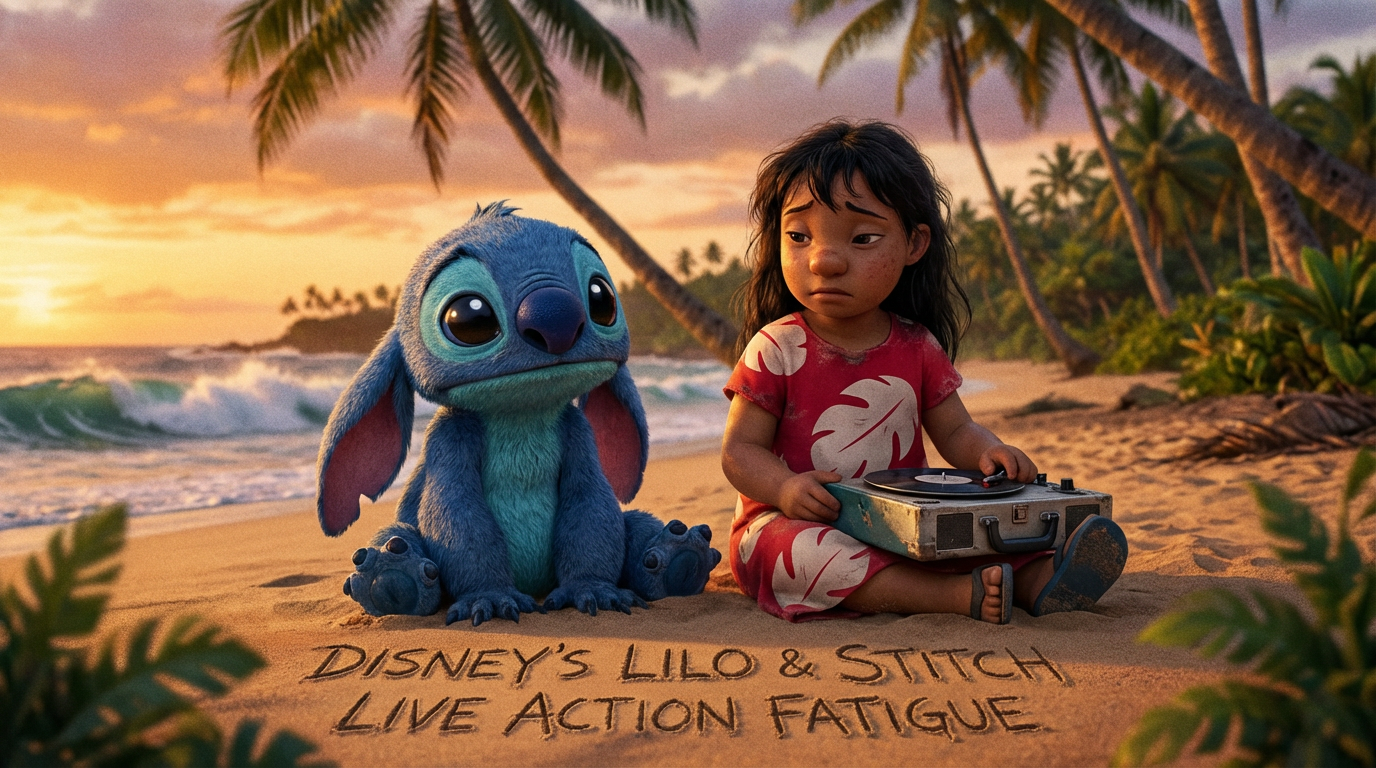
We need to have a serious talk about the uncanny valley nightmare currently printing money at the box office. While the live action Lilo and Stitch is technically a financial juggernaut, it serves as a grim reminder that Disney has traded its soul for a high resolution rendering farm. The original 2002 masterpiece succeeded because of its soft watercolor backgrounds and the expressive, rubbery physics of hand drawn animation. Now, we are forced to stare into the cold, dead eyes of a hyper realistic Stitch that looks more like a taxidermy project than a lovable galactic fugitive. It is the ultimate example of a corporate cash grab that understands the price of everything but the value of actual artistic charm.
The gaming community knows this cycle of disappointment all too well because we have seen it in every lazy remaster that replaces style with sterile polygons. Just as a classic RPG loses its atmosphere when the lighting is flattened by a modern engine, these live action remakes strip away the intentionality of the original character designs. Stitch was designed to be a chaotic blur of motion, a feat that felt natural in 2D but feels inherently wrong when filtered through a “grounded” CGI lens. Watching a photorealistic alien interact with human actors creates a jarring disconnect that no amount of nostalgia can bridge. It is essentially the cinematic equivalent of a day one patch that accidentally deletes the most important textures in the game.
If we keep rewarding these soulless updates with our hard earned cash, we are basically telling the industry that we do not care about creativity. The 2025 market is currently obsessed with “back to basics” approaches, yet Disney seems content to just put a new coat of digital paint on a house they already built perfectly. We should be demanding original stories or at least reboots that offer a transformative vision rather than a literal, uglier translation. It is time to stop pretending that seeing every individual hair on a CGI creature makes a story better or more meaningful. If a remake cannot respect the medium that made the source material legendary, it deserves to be uninstalled from our collective memory.
Resurrecting Legend Or Exploiting Nostalgia For Profit
The gaming and film industries have officially entered their “zombie phase” where no corpse is allowed to stay buried if it still has a recognizable name tag. We are currently being flooded with reboots like 28 Years Later and Jurassic World Rebirth that claim to return to their “primal roots” while charging us a premium for the privilege. It is a calculated gamble on our collective childhoods, betting that a shiny coat of 4K paint will distract us from the fact that we have seen these exact plot beats a dozen times before. For every developer who actually respects the source material, there are three more waiting to sell you a seventy dollar box of recycled assets and broken promises. I want to believe that bringing back original creators like David Koepp means we are getting a masterpiece, but usually, it just means the marketing budget had enough room for a legacy hire.
Modern reboots often feel like they were designed by a spreadsheet rather than a human being with an actual vision. The industry loves to use the term “reimagining” as a polite shield against the reality that they are just lazily hitting the reset button. You can tell almost immediately if a project was born from a genuine creative spark or a desperate need to meet a quarterly earnings report. When a game or movie leans too hard on “member-berries” and nostalgic callbacks, it is usually because the core experience is hollower than a chocolate Easter bunny. We deserve better than a constant loop of the same five franchises being dragged out of the closet every decade for a makeover. If a revival does not move the needle or introduce something genuinely fresh, it is nothing more than an expensive digital paperweight.
Respect the Roots or Stop Digging
The golden rule for any classic reboot is simple: if you aren’t adding something new or respecting the soul of the original, you are just a glorified digital tax. We have seen far too many developers treat our childhood memories like a personal ATM by slapping a fresh coat of paint on a broken engine. A true masterpiece like the recent horror-focused pivots proves that you can evolve a franchise without selling its dignity for a quick buck. Much like how psychological horror games use slow-burn dread to mess with your mind, a successful reboot should focus on the internal tension of the characters rather than just the spectacle. When a studio brings back original creators to actually fix old mistakes, that is when you should open your wallet. Otherwise, you are just paying for the privilege of being disappointed in high definition.
You should reserve a permanent spot in your library for the titles that take risks instead of just playing the hits. If a reboot feels like a soulless corporate checklist designed to appease shareholders, it belongs in the bargain bin of history alongside those weirdly sticky third-party controllers. Some modern updates manage to capture that elusive lightning in a bottle by balancing nostalgia with mechanics that actually belong in the current decade. If you are tired of modern disappointments, you can always learn how to play abandonware to revisit the titles that actually defined the genre. I am tired of seeing legendary names dragged through the mud for the sake of brand recognition. Stop playing trash and start demanding games that actually earn their title.
Frequently Asked Questions
1. Why is Hollywood suddenly obsessed with hiring original creators for these reboots?
It is a desperate move to weaponize your childhood nostalgia because they realized slapping a logo on a pile of garbage no longer prints money. They are hiring the old guard to clean up the radioactive mess left by the previous directors in a transparent attempt to buy back your trust.
2. Is Jurassic World Rebirth actually going to be scary or just another petting zoo?
Gareth Edwards is finally stripping away the bloated legacy casts and the wink at the camera fan service to focus on atmospheric dread. Instead of a theme park ride where everyone has plot armor, this version treats the dinosaurs like actual threats in a survival horror setting.
3. What makes the Gareth Edwards approach different from typical blockbuster sequels?
He understands that monsters are only scary when you cannot see them, using shadows and sound design instead of constant CGI explosions. By ditching the Easter eggs and focusing on primal horror, he proves a franchise can still have teeth without relying on cheap nostalgia.
4. Are the new Disney live-action remakes worth the ticket price?
Most of them are just corporate attempts to turn every pixel of your childhood into a live-action ATM. Unless they start prioritizing actual storytelling over soulless frame-for-frame recreations, they generally deserve to stay buried in the archives.
5. Why are modern reboots failing to capture the magic of the originals?
The industry has spent decades selling us the same action figures wrapped in increasingly shiny plastic while forgetting to write a decent script. Most studios are too busy building cinematic universes to realize that a movie needs stakes and danger to actually be interesting.
6. How can I tell which franchise resurrections are actually worth watching?
Look for the projects that treat the environment like a character and stop protecting their leads with thick layers of plot armor. If a movie is more interested in being a survival experience than a glorified toy commercial, it might actually be worth your time.