
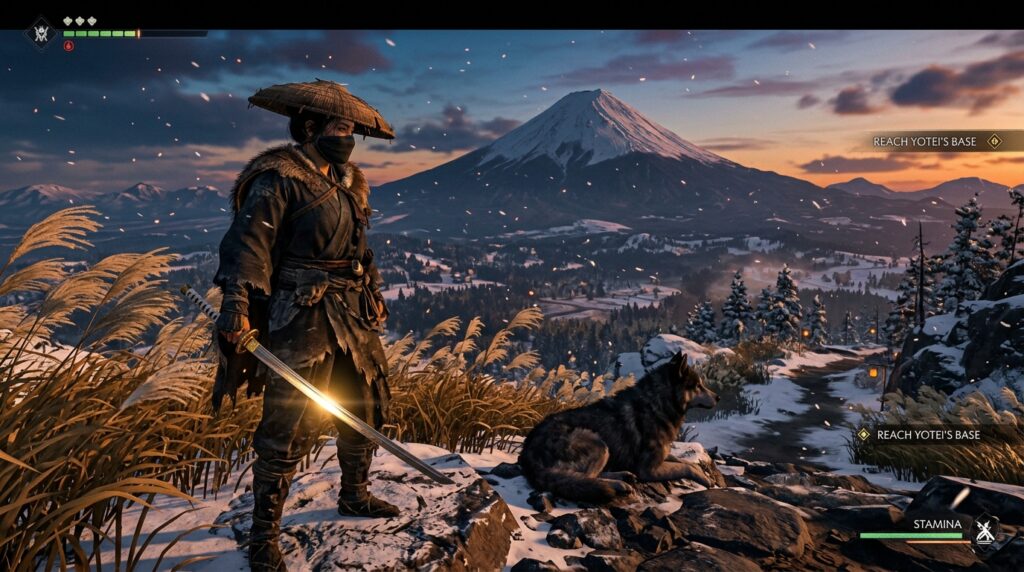
Three centuries is a long time to wait for a sequel, but apparently, that’s how long it takes to trade a brooding samurai for a vengeful spirit with a chip on her shoulder. The new ghost of yotei protagonist, Atsu, is ditching the rigid Bushido lectures of the past to embrace her inner mercenary in the untamed wilds of 1603 Ezo. She isn’t here to reclaim her family honor or bow politely to every peasant she meets; she’s here to act as a living, breathing horror movie for the local outlaws.
Forget the honorable duels and “save my home” speeches that defined the previous era. Atsu is channeling the Onryō, a folklore-inspired engine of pure vengeance, to hunt down the Yōtei Six with the kind of pragmatic brutality that makes a katana look like a surgical tool. This isn’t a story about a fallen soldier seeking redemption, but a lone wolf who realized that being a terrifying supernatural force is way more effective than following a dead code. If you were hoping for more “sir, yes sir” energy, you’re looking at the wrong mountain.
Key Takeaways
- Atsu marks a dramatic shift from the traditional samurai archetype, abandoning the rigid Bushido code for the pragmatic, result-oriented life of a lone-wolf mercenary.
- The narrative is driven by a personal vendetta against the Yotei Six, drawing heavy inspiration from the Onryō—vengeful spirits from Japanese folklore that act as terrifying forces of nature.
- The 1603 Ezo setting introduces a lawless frontier where survival necessitates a more aggressive combat style, including dual-wielding katanas and the use of early firearms.
- Moving the timeline 300 years into the future allows the franchise to evolve beyond the ‘honor versus pragmatism’ debate, focusing instead on a darker, more atmospheric tale of cold-blooded revenge.
Atsu And The Vengeful Onryo Inspiration
Atsu is a massive departure from the honorable samurai archetype, and quite frankly, it is about time we stopped pretending that every protagonist needs a strict moral compass to be interesting. While her predecessor spent half his journey moping about his lost reputation, Atsu is a lone wolf mercenary who seems much more interested in results than rules. She is stepping into the untamed wilds of Ezo without the baggage of a clan or a code, which gives her the freedom to be as pragmatic and brutal as the situation demands. This shift from a fallen noble to a hired blade makes her feel less like a soldier and more like a force of nature. I love that she is not trying to save a society that probably does not even want her there in the first place.
The most exciting part of her design is the clear inspiration from the Onryo, those terrifying vengeful spirits from Japanese folklore who return from the grave to settle a score. People in the shadow of Mount Yotei do not just respect her, they seem genuinely terrified of her as if she were a ghost story come to life. Her quest to hunt down the Yotei Six is fueled by sixteen years of simmering rage, and that kind of personal vendetta usually leads to much more creative violence than a standard military campaign. She is essentially a supernatural force with a katana, and I am here for the darker, more atmospheric tone this brings to the series. If the locals think she is a demon sent to drag them to hell, she might as well lean into the role and give them a show.
By ditching the traditional Bushido restrictions, the narrative can finally explore the messy, unglamorous side of survival in a lawless frontier. Atsu does not have a master to answer to or an uncle to disappoint, which means her choices are driven by pure, unadulterated vengeance. This setup allows for a protagonist who is allowed to be genuinely scary, mirroring the cold and unforgiving environment of modern day Hokkaido. It is a bold move to follow up a beloved hero with someone who feels this much more dangerous and unpredictable. I have a feeling that by the time she is done with the outlaws who wronged her, the legend of the Ghost will be something people whisper about in fear rather than admiration.
Trading Bushido For The Yotei Six Hitlist
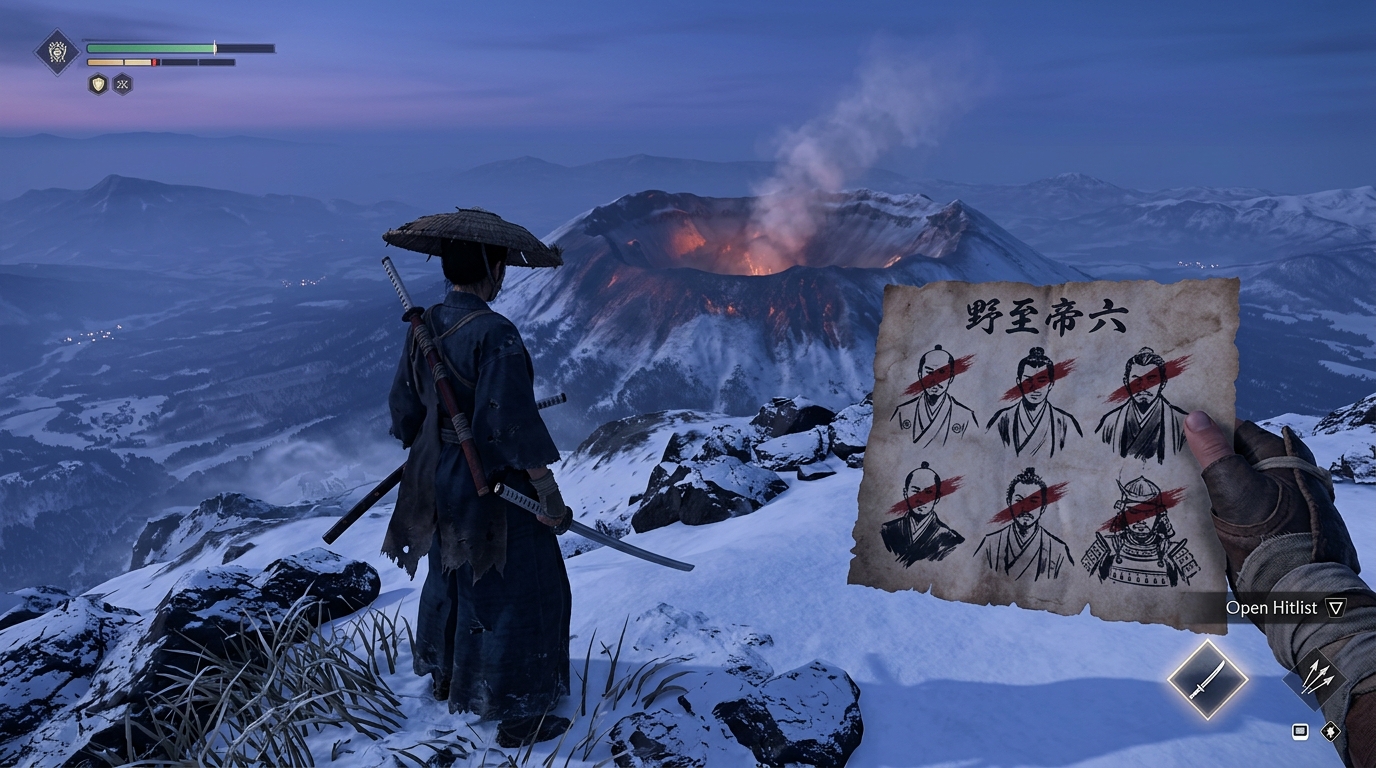
Atsu is a complete departure from the noble samurai fantasy, and frankly, it is about time we stopped pretending every protagonist needs a lecture on honor before they swing a sword. While Jin Sakai spent half his journey weeping over his broken code, Atsu is a lone wolf mercenary who seems much more interested in results than reputation. Set 300 years after the Mongol invasion, the world of Mount Yotei is a lawless frontier that demands a pragmatic killer rather than a disciplined soldier. Trading the weight of a clan for a personal hitlist gives this story a sharper, more intimate edge that feels less like a history lesson and more like a focused mission.
The shift from defending a homeland to hunting the Yotei Six changes the narrative stakes from a grand war to a brutal, cold blooded quest for revenge. Atsu is heavily inspired by the Onryo, a vengeful spirit from folklore that returns to punish those who did her wrong, which is a much cooler vibe than just being another guy with a topknot. Because she is not bound by Bushido, her combat style can be as dirty and efficient as the player wants without the constant moral finger wagging from the supporting cast. She is a terrifying force of nature in a beautiful, wild landscape, and I am all for a protagonist who prioritizes a body count over a set of outdated rules.
This new era of the franchise is taking a massive creative risk by ditching the established hero, but focusing on a mercenary makes the world feel significantly more dangerous. We are moving away from the organized battlefields of Tsushima and into the untamed Ezo wilderness where survival is the only law that actually matters. Atsu does not have an army or a legacy to protect, which means every encounter feels more desperate and personal than the last. If this is the direction the series is heading, I am happy to leave the honorable duels behind in favor of a protagonist who knows how to hold a grudge.
Dual Katanas And Firearms In Ezo
Atsu is clearly trading the stuffy rulebook of the samurai for a more practical approach to staying alive in the freezing wilds of Ezo. While Jin Sakai was busy worrying about whether his uncle would approve of his posture, Atsu is out here dual wielding katanas like she is auditioning for a high stakes action movie. This shift from one blade to two suggests that the combat will be less about the refined, rhythmic parrying we used to know and more about overwhelming enemies with a flurry of steel. It is a bold move that turns the protagonist into a whirlwind of blades, making the gameplay feel significantly more aggressive and frantic than the disciplined duels of the past.
The introduction of early firearms and gunpowder weapons is where things get truly messy, and I mean that in the best way possible. Set in 1603, the game lets us play with primitive rifles and explosives that make a mockery of traditional honor. Why spend ten minutes bowing to an opponent when you can just turn them into a cloud of smoke from twenty yards away? This transition into the black powder era adds a layer of chaotic pragmatism to the Ghost persona, proving that Atsu is a mercenary who values results over reputation. It is a refreshing change that replaces the stiff formality of the 13th century with the gritty, unpolished reality of a frontier survivalist.
Watching Atsu blend these tools together makes it obvious that the Yotei Six are in for a very bad time. The gameplay loop seems to be evolving from a dance of swords into a brutal tactical sandbox where you can choose between a clean decapitation or a loud, messy explosion. This expanded arsenal perfectly reflects her status as an onryo inspired force of nature who does not care about fighting fair. If you were hoping for more of the same slow paced bushido lectures, you might be disappointed, but for everyone else, this evolution into a more versatile and deadly protagonist is exactly what the series needed to stay sharp.
Erika Ishii And The New Ghost Identity
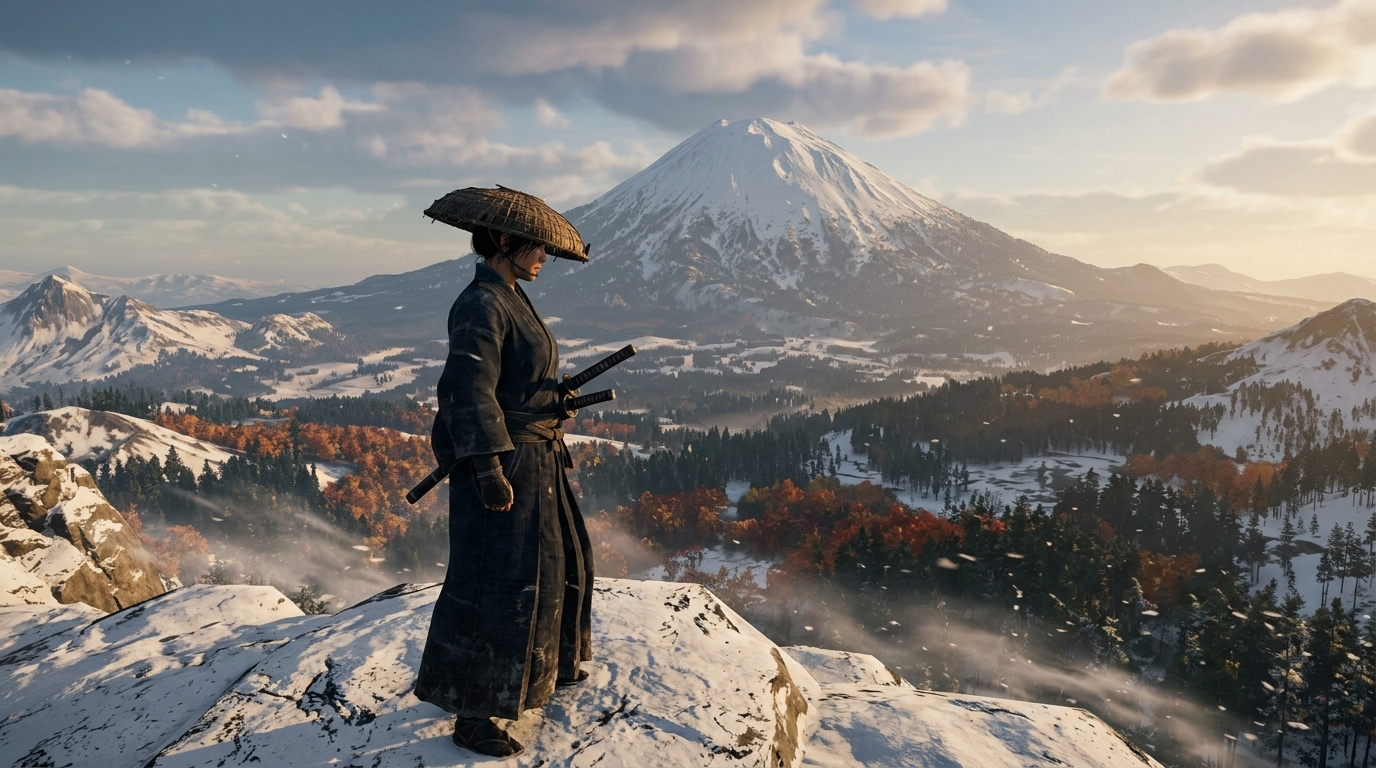
Erika Ishii is stepping into the role of protagonist, Atsu, and quite frankly, it is the shot of adrenaline this franchise desperately needed to avoid becoming a predictable historical museum. While some corners of the internet are busy clutching their plastic katanas over the departure from Jin Sakai, I am busy celebrating the fact that we are not getting a glorified expansion pack. Ishii brings a chaotic, vibrant energy that perfectly matches Atsu, a mercenary who does not give a single damn about the rigid samurai codes that made the first game a bit of a lecture on etiquette. Instead of a brooding nobleman, we are getting a protagonist who feels like a living, breathing part of the untamed northern frontier.
The decision to jump 300 years into the future with a fresh face is a brilliant move to keep the Ghost identity from becoming a stale checklist of tropes. Atsu is not a soldier bound by duty, but a vengeful force inspired by the Onryo myth, which essentially means she is a walking nightmare for the outlaws of Mount Yotei. By casting Ishii, the developers are leaning into a more expressive and unpredictable lead who can carry a story without the baggage of the previous era. If we stayed with the same family tree forever, the series would eventually collapse under its own weight, but this shift ensures that the Ghost title remains a symbol of rebellion rather than just a specific guy in a mask.
Let’s be honest, watching a lone wolf mercenary hunt down the Yotei Six with a more pragmatic and brutal style is objectively more interesting than another round of “honor versus pragmatism” debates. Erika Ishii has the range to make Atsu feel genuinely dangerous, moving the series away from the stiff upper lip of the traditional warrior class. This new direction proves that the developers actually have the guts to evolve their world instead of just reskinning the old one for a quick paycheck. We are finally getting a protagonist who embraces the supernatural terror of the Ghost legend, and I for one am ready to see how Ishii turns this vengeful spirit into the new face of the franchise.
Atsu: The Onryo-Inspired Adrenaline Shot
Ultimately, Atsu is exactly the shot of adrenaline this franchise needed to avoid becoming another stale, repetitive open world checklist. While some people are busy crying into their samurai helmets about Jin Sakai being gone, they are missing the fact that a three hundred year jump opens up a wild, untamed frontier that a traditional warrior could never navigate. Atsu is a mercenary inspired by the Onryo myth, which means we are trading rigid honor for cold, calculated vengeance. This shift from a disciplined soldier to a supernatural force of nature is a massive win for gameplay variety. She is not bound by a dying code, and that freedom makes her a far more unpredictable and exciting protagonist to pilot through the snow.
Stop pretending that staying in the 1200s forever was a viable strategy for a sequel that actually wants to innovate. If the developers had just given us Jin Part Two, you would be complaining about the lack of ambition before the first act even finished. By moving to 1603, the team gets to play with a world that feels dangerous and lawless, rather than just another battlefield. The Yotei Six provide a focused, personal narrative that feels much tighter than fighting off an entire faceless army. It is time to embrace the change because swapping Jin for Atsu is clearly bringing a level of brutality and style that Jin simply could not provide.
The transition to a female lead is not a political statement, it is a smart creative pivot that leans into the best parts of Japanese folklore. Seeing the local population treat Atsu as a terrifying spirit of retribution adds a layer of psychological depth that the first game only scratched the surface of. Much like how psychological horror games use slow-burn dread to mess with your mind, Atsu’s presence in Ezo creates an atmosphere of constant, looming fear for her enemies. We are getting a protagonist who is a lone wolf by choice, hunting down specific targets in a gorgeous, reimagined landscape. If you can not get behind a vengeful mercenary with a wolf companion and a chip on her shoulder, you might just be bored of fun. Ghost of Yotei is a bold step forward, and Atsu is the perfect character to lead the charge into this new era.
Frequently Asked Questions
1. Who is the new protagonist in Ghost of Yotei?
Her name is Atsu, and she is a lone wolf mercenary who has zero interest in your lectures about honor. Unlike the previous guy who spent his time moping about his reputation, she is a pragmatic force of nature wandering the wilds of 1603 Ezo.
2. Is Atsu a samurai like the previous main character?
Not even close. She is ditching the rigid Bushido code and the boring ‘sir, yes sir’ energy to act more like a hired blade. She does not have a clan or a code to hold her back, which makes her way more effective at being a living horror movie for outlaws.
3. What is the inspiration behind Atsu’s character design?
Atsu is heavily inspired by the Onryo, which are terrifying vengeful spirits from Japanese folklore. She is basically a supernatural engine of pure vengeance designed to hunt down her targets with brutal efficiency. It is a massive upgrade from the ‘noble soldier’ archetype we have seen a thousand times.
4. What is Atsu’s mission in the game?
She is on a focused mission to hunt down the Yotei Six across the untamed landscapes of Ezo. You can forget about the grand speeches about saving the world or reclaiming family honor. She is here for results, and she is using her katana like a surgical tool to get them.
5. How does Atsu differ from the protagonist of the first game?
The previous hero was a fallen noble seeking redemption, while Atsu is a mercenary with a chip on her shoulder. She does not care about saving a society that probably does not even want her there anyway. She is a lone wolf who realized that being a terrifying force is much better than following a dead code.
6. Does the game still focus on honorable duels?
Atsu is moving away from the polite, honorable duels of the past in favor of pragmatic brutality. She is much more interested in being a supernatural force of nature than bowing to peasants. If you want a protagonist with a strict moral compass, you are definitely looking at the wrong mountain.