
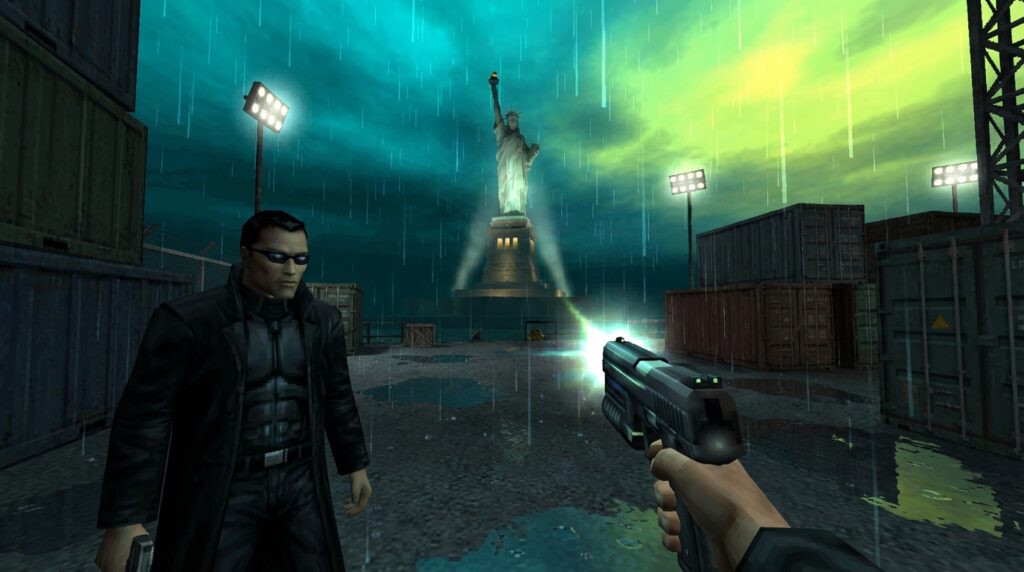
For years, the industry tried to bury the immersive sim under a mountain of brainless corridor shooters and map-marker simulators. They told us player agency was too niche and that we would rather follow a glowing breadcrumb trail than actually think for ourselves. The joke is on them. We are currently witnessing a massive immersive sim revival that has turned a cult obsession into a $22 billion powerhouse.
It turns out that when you stop treating players like toddlers and give them reactive systems and actual choices, they tend to stick around. We have moved past the days of praying for a crumb of decent design to fall off the table and into an era where emergent gameplay is the new gold standard. Whether it is in a sprawling RPG or a high-stakes industrial digital twin, the world has finally realized that doing whatever you want is a pretty solid business model.
Key Takeaways
- The immersive sim has evolved from a niche cult obsession into a $72 billion powerhouse, proving that reactive systems and player agency are now the gold standard for global business and technology.
- Indie developers have saved the genre by prioritizing emergent gameplay and deep systems over the sanitized, hand-holding design philosophies favored by major AAA publishers.
- Modern hardware has finally enabled the creation of ‘digital twins’ and highly reactive environments where complex physics and interlocking systems allow for infinite, unscripted player solutions.
- The success of high-profile remakes like System Shock confirms a massive market demand for games that respect player intelligence and offer the freedom to fail within uncompromisingly difficult worlds.
From Niche Cult Classics To Billion Dollar Markets
For years, the immersive sim was the industry’s most prestigious sales flop factory, producing masterpieces that everyone claimed to love but nobody actually bought. We all remember the days when titles like the original cyberpunk classics and stealth masterpieces were treated like high art for a tiny, dedicated cult while the rest of the world was busy clicking on brown military shooters. It was a bizarre era where having a game that reacted to your choices was considered a financial liability rather than a selling point. Developers were essentially told that player agency was too expensive and that the average gamer just wanted to be led through a hallway by their nose. Seeing these complex systems relegated to the bargain bin was a tragedy, but the tides are finally shifting in a massive way.
Fast forward to today, and the niche curiosity has mutated into a projected 72 billion dollar powerhouse that the suits can no longer ignore. This is not just about more people wanting to stack crates to climb over walls, but a fundamental shift in how technology and gaming intersect. The market is exploding because these systems are being used for everything from high stakes industrial training to digital twins that actually behave like the real world. We have reached a point where the emergent gameplay we used to nerd out about is now the backbone of a massive global industry. It turns out that creating a world that actually follows its own rules is worth a lot more than just a few gold stars from critics.
The beauty of this revival is that it proves we were right all along about the value of sophisticated, player driven experiences. While mainstream shooters are still trying to figure out how to sell you the color blue for ten dollars, the immersive sim market is busy building complex realities that actually respect your intelligence. This growth is not just some fluke or a temporary trend driven by nostalgia. It is a cold, hard realization that reactive systems are the future of how we interact with digital spaces. We are moving away from scripted nonsense and toward a world where the only limit is how creative you can get with the tools provided.
System Shock And The High Definition Resurrection
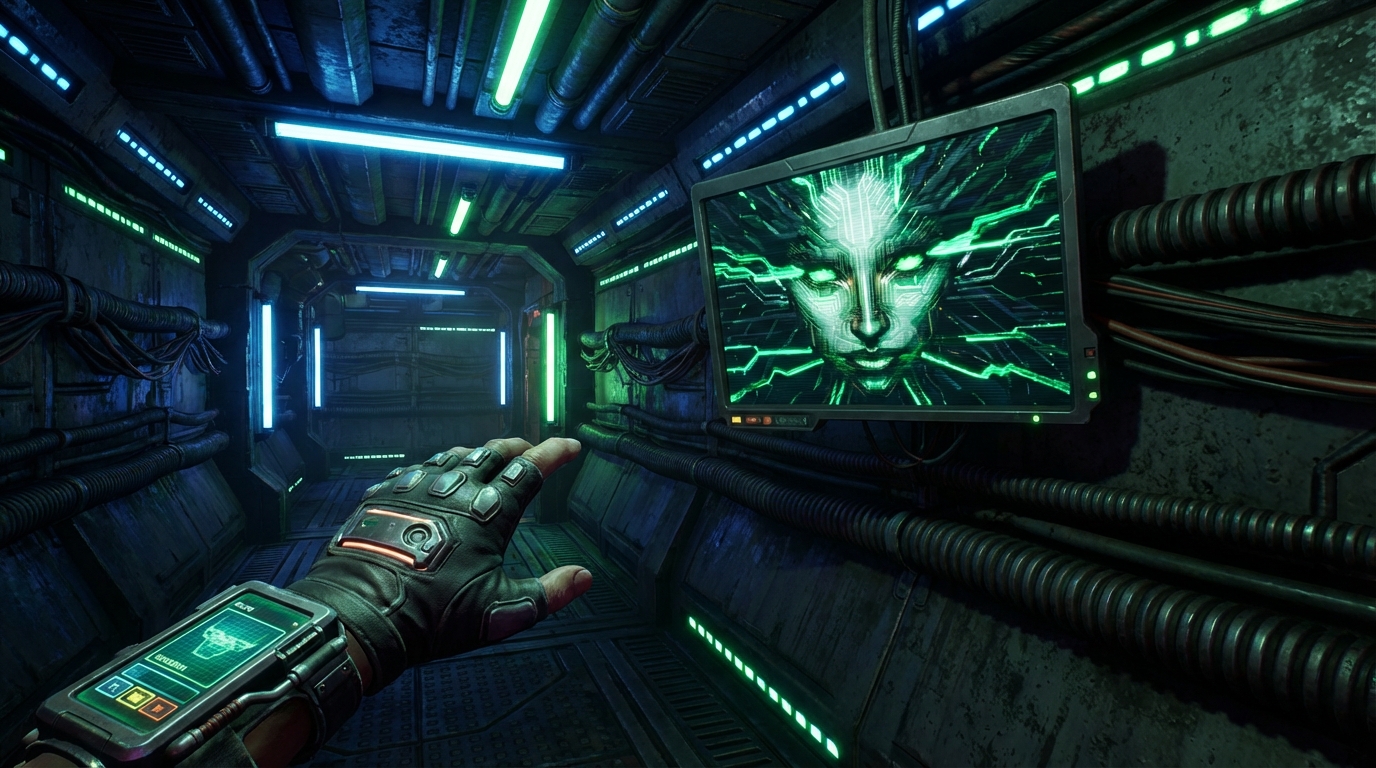
For a long time, the industry tried to convince us that the immersive sim era was a dead language, too nerdy and uncompromising for a world obsessed with mindless map markers. Then professional developers stepped in with a high-profile remake and reminded everyone that having your hand held is actually quite boring. They did not just slap a fresh coat of paint on a classic. They preserved the absolute brutality of a space station that wants you dead and a rogue AI that treats you like a particularly annoying cockroach. It turns out that when you give players complex, interlocking systems and the freedom to fail miserably, they actually lean in rather than walking away.
The success of this high definition resurrection proves there is a massive, underserved audience that is tired of being treated like they have the spatial awareness of a goldfish. We have spent a decade in a desert of guided experiences, so seeing a game thrive by refusing to compromise on its unapologetic mechanical depth is a breath of fresh air. This is not just about nostalgia, but rather a realization that player agency and emergent gameplay are worth more than a hundred scripted explosions. The numbers do not lie, and the growing market for these sophisticated simulations shows that the genre is finally moving from a niche cult obsession to a genuine powerhouse.
Watching a digital god return in all her glory makes me realize how much we have missed games that actually respect our intelligence. The industry might love its safe bets and recycled formulas, but the immersive sim revival suggests that the quiet part is finally being said out loud: we want to think while we shoot. Modern developers have set a standard that proves you can modernize the interface without lobotomizing the challenge. If this is the future of the genre, then I am more than happy to spend my time navigating labyrinthine corridors and hacking security terminals while a god-complex computer mocks my every move.
Indie Developers Saving The Simulation Genre
While AAA publishers are busy turning every franchise into a sanitized, waypoint-chasing treadmill, indie developers have quietly been doing the actual work of keeping the immersive sim alive. Big budget studios seem terrified of the idea that a player might solve a puzzle in a way the developers did not explicitly approve of in a board meeting. Instead of the hand-holding and invisible walls we have come to expect from modern blockbusters, smaller teams are embracing the beautiful chaos of emergent gameplay. They understand that the real magic happens when you give a player a wrench, a hacking tool, and a physics engine, then get out of the way. We are seeing a massive shift where the most complex, reactive worlds are no longer coming from the giants of the industry, but from studios that actually respect your intelligence to be smart.
The current resurgence of the genre is a direct response to the follow the golden line design philosophy that has poisoned mainstream gaming for a decade. Independent titles are proving that you do not need a billion dollar budget to create a world that feels alive and reactive to every stupid decision you make. These titles lean into the DNA of classics, prioritizing deep systems and environmental storytelling over flashy, scripted set pieces. It is incredibly refreshing to play something where the environment is a playground of possibilities rather than just a pretty backdrop for a combat encounter. When an indie dev lets me stack crates to bypass a high-security door instead of hunting for a keycard, I feel like a genius, and that is a feeling AAA games have largely forgotten how to provide.
This revival is not just a nostalgia trip for people who grew up on floppy disks, it is a legitimate commercial explosion that the industry can no longer ignore. As the market for immersive simulators continues to climb into the billions, it is clear that players are starving for agency and meaningful consequences. We are moving away from the era of mindless shooters and into a space where your creativity is the most powerful weapon in your inventory. The indie scene has effectively taken the torch from the defunct giants of the past and is currently sprinting toward a future where games are actually simulated, not just animated. If the big publishers want to keep up, they are going to have to stop treating us like toddlers and start giving us back our freedom.
Modern Tech Powering Better Reactive Environments
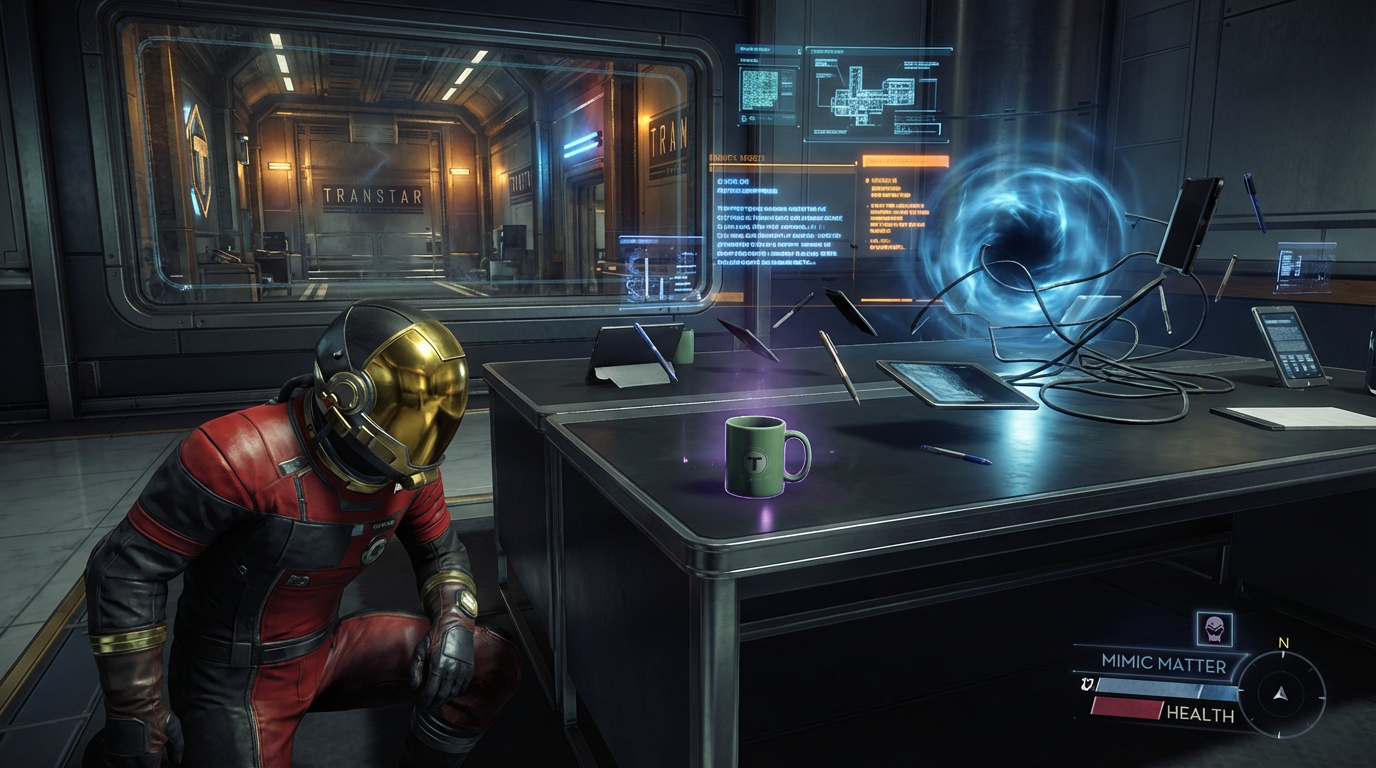
Modern hardware has finally caught up to the ambitious fever dreams of the nineties, giving us the processing power to move beyond static hallways and scripted jump scares. In the old days, a chair was just a low poly obstacle glued to the floor, but today’s consoles and PCs allow for digital twins where every object has weight, friction, and a nasty habit of breaking realistically. We are seeing a massive shift toward environments that actually give a damn about what the player is doing. When you can track the trajectory of a falling crate or simulate the spread of fire across a velvet curtain, you are not just playing a game, you are poking a living system to see how it screams.
The real magic happens when these complex physics interactions stop being a tech demo and start becoming a legitimate strategy for bypassing a locked door. New tech allows developers to layer systems on top of each other, creating a world where electricity conducts through water and guards react to the sound of a stray bottle you accidentally kicked. It is the difference between a cardboard movie set and a reactive playground that remembers your mistakes. We are finally reaching a point where the environment is a character itself, capable of ruining your stealth run or saving your skin based on how well you understand its internal logic.
This industrial scale simulation might sound like overkill for a weekend hobby, but the result is a level of player agency that makes linear shooters look like interactive PowerPoint presentations. We are talking about billions of dollars in R&D trickling down into our GPUs just so we can stack enough trash cans to climb over a wall the developers did not want us to cross. It is glorious, chaotic, and exactly what the immersive sim genre needs to move from cult classic to the gold standard of gaming. If a game does not let me use a fire extinguisher to create a localized ice slick for an unsuspecting sentry, I am starting to wonder if it is even trying.
Stop Settling for Explosive Hallway Simulators
The gaming industry has spent years trying to convince us that walking through a strictly choreographed hallway while things explode in the distance is the peak of entertainment. It is time to stop settling for these glorified interactive movies that treat your brain like an optional accessory. The immersive sim revival is finally here to remind everyone that games are at their best when they actually react to your choices. Whether you are stacking boxes to bypass a locked door or accidentally blowing yourself up with a complex chain of environmental reactions, these experiences respect your intelligence in a way a scripted shooter never could.
There is a reason the market for these complex systems is skyrocketing toward the seventy billion dollar mark as we head into the late twenties. Players are clearly waking up to the fact that having a toolbox of mechanics is infinitely more satisfying than following a glowing objective marker like a lost puppy. We are seeing a shift where emergent gameplay is no longer a niche luxury but a standard for what a modern title should provide. You do not need a developer to hold your hand when you have a world that actually follows a consistent set of physical and logical rules.
It is officially time to uninstall the mindless rail shooters and start embracing the chaos of a well designed simulation. These games do not just give you a story to watch, they give you a playground where your specific brand of creativity or stupidity can actually flourish. If a game does not let you solve a problem in three different ways, it probably was not worth your sixty dollars to begin with. The golden age of player agency is returning, so do yourself a favor and play something that actually challenges you to think, especially when bloated open worlds are turning modern gaming into a tedious second job.
Frequently Asked Questions
1. What exactly is an immersive sim anyway?
It is a game that actually respects your intelligence by giving you a toolbox of systems rather than a list of chores. You succeed by experimenting with the environment and making choices that the developers did not explicitly script for you.
2. Why is everyone suddenly talking about a revival?
The industry finally woke up and realized that players are tired of being treated like toddlers in a playpen. After years of following glowing breadcrumb trails in corridor shooters, we are seeing a massive shift back toward emergent gameplay and genuine player agency.
3. Is the immersive sim still a niche genre for cult followers?
Not anymore, since the market has mutated into a massive powerhouse worth tens of billions of dollars. What used to be a prestigious sales flop factory is now the gold standard for how modern, reactive games are built.
4. Are these games actually worth the effort or just overcomplicated?
They are absolutely worth it because they let you solve problems your way instead of hunting for the one specific keycard the designer hid. If you enjoy stacking crates to bypass a guard or hacking a turret to do your dirty work, you will never go back to brainless shooters. You can find many of the best Steam gems in this genre if you know where to look.
5. Why did the genre disappear for a while?
Publishers convinced themselves that player agency was a financial liability that was too expensive to produce. They thought you just wanted to be led through a hallway by your nose, but the massive success of current reactive systems proves they were dead wrong.
6. What makes a game a true immersive sim instead of just an RPG?
A true immersive sim focuses on consistent, reactive systems that work together in ways that can even surprise the developers. It is less about stat points and more about the world reacting to every stupid, brilliant, or chaotic thing you decide to do. This is why System Shock and other classic franchise reboots in the genre are so closely watched by fans who demand mechanical depth over simple nostalgia.