The gaming industry is currently worth billions, yet we are still arguing over which digital skeleton is best for hanging our textures on. As of 2026, the game engine market is a three-horse race between a mobile-dominating veteran, a high-end visual powerhouse, and an open-source upstart that is growing faster than a Day One patch. While the market is projected to hit a massive $3.87 billion valuation by 2030, most developers are just trying to figure out which tool won’t crash their PC when they dare to add a second light source.
If you have looked at Steam lately, you have seen the results of this tug-of-war firsthand. One engine is hoarding nearly 40% of all releases like a digital dragon, while another remains the darling of the AAA elite who want every pebble to look photorealistic. Meanwhile, the open-source crowd is finally carving out a double-digit seat at the table, proving that you do not need a corporate overlord to build something worth playing. It is a weird, fragmented environment where AI-native tools are starting to do the heavy lifting while we pretend the humans are still in total control.
Key Takeaways
- A corporate duopoly currently dominates the game engine market, with two major engines controlling nearly 80% of developer preference and Steam releases.
- The reliance on standardized engine pipelines has created a ‘visual sameness’ in modern gaming, where different titles share identical lighting artifacts, physics quirks, and technical flaws.
- Open-source alternatives are rapidly gaining ground, reaching a 10% market share by offering developers zero licensing fees, smaller file sizes, and full creative ownership.
- The industry’s prioritization of development convenience over technical variety threatens to turn gaming into a homogenized factory line of reskinned experiences.
Unity And Unreal Engine Market Dominance Statistics
The numbers do not lie, and they tell a pretty boring story about the sameness of your favorite titles. One major engine currently holds a massive 35% to 38% of the Steam release share, while the leading high-end engine remains the undisputed king of developer preference with a 42% rating among industry pros. It is a classic duopoly that has turned gaming into a predictable neighborhood where every house has the same floor plan but different colored curtains. When two pieces of software dictate how light bounces off a wall or how a character jumps, you start to get that nagging sense of déjà vu regardless of which studio logo pops up during the splash screen.
The table below breaks down the current grip these giants have on the industry as we move through 2026.
| Engine | Steam Release Share | Developer Preference | Primary Market Strength |
|---|---|---|---|
| General Purpose Veteran | 35-38% | 30% | Mobile, Indie, VR/AR |
| High-End Powerhouse | 18-22% | 42% | AAA Studios, High-end 3D |
| Open-Source Alternative | 8-10% | 11% | Open-source, Rapid Indie Growth |
I am all for efficiency, but this level of dominance is why every high-end game feels like it was birthed from the same digital womb. We have reached a point where you can spot a top-tier engine title from a mile away just by looking at the way the shadows flicker or how the protagonist moves through a forest. The leading indie engine keeps the scene alive with its accessibility, but even there, that specific look has become a shorthand for a specific kind of visual mediocrity that we have all just accepted. It is great for the bottom line of these tech giants, but for us players, it means we are often playing the same mechanical skeletons dressed up in slightly different skins.
While the rise of open-source alternatives offers a glimmer of hope, the big two are not going anywhere because they make life easy for lazy development. Why build a unique physics engine or a bespoke lighting system when you can just pay a licensing fee and use the same tools as everyone else? This convenience is a double-edged sword that cuts right through artistic variety. We are essentially living in a world where every chef is forced to use the same two brands of ovens and the same three spices, then acts surprised when every meal tastes like chicken.
The Visual Sameness Of The Modern Era
High-end engines have become the default setting for the AAA industry, and frankly, I am starting to feel like I am playing the same game with a different coat of paint every single month. While it is impressive that a single piece of software can power nearly 42 percent of developer preferences, that dominance comes with a side effect I like to call the grey goo of gaming. Every world now shares that same hyper-realistic, slightly oily sheen where surfaces look a little too wet and lighting bounces with a predictable, sterile perfection. It is as if every studio is using the same expensive spice rack but forgetting to actually cook the meal, leading to a visual library that feels technically flawless yet totally devoid of a unique soul.
The problems with this technological monopoly are not just skin deep, as they often manifest in the exact same technical headaches across different franchises. If I have to sit through one more compiling shaders progress bar or deal with that signature traversal stutter while exploring a supposedly seamless world, I might just toss my GPU out the window. Because so many teams are using the same underlying architecture, the quirks and flaws of the engine become the quirks and flaws of the entire medium. We have traded artistic variety for a standardized set of features that make a fantasy RPG and a sci-fi shooter look like they were birthed in the exact same digital laboratory.
- The Engine Shimmer: That specific way foliage and edges flicker because everyone is using the same temporal upscaling solutions.
- The Stutter Struggle: Persistent frame pacing issues that seem to haunt almost every major release regardless of how much RAM you throw at it.
- Asset Déjà Vu: High-end scanned assets that make the rocks in a space epic look identical to the rocks in a medieval simulator.
- The Lighting Lab: A reliance on global illumination that makes every interior look moody and realistic but oddly interchangeable.
We are living in an era where technical prowess has peaked, yet visual identity is at an all-time low. When you see a game built in a proprietary or less common engine, the difference is immediate and refreshing because it does not follow the same mathematical rules for how light hits a brick wall. Standardized tech is an incredible tool, but its massive market share is turning gaming into a sea of sameness where the wow factor is being replaced by a sense of seen it all before. I miss the days when a studio’s tech felt like a signature rather than a shared utility bill that everyone is just trying to pay off.
The Open Source Indie Rebellion
The game industry is currently suffering from a severe case of same-engine syndrome, where every high-budget title feels like it was squeezed out of the exact same digital tube of toothpaste. When a handful of corporate giants control the underlying tech, you end up with a collection of upcoming UE5 games that share the same lighting artifacts, the same floaty physics, and the same predictable stuttering. It is getting harder to tell one open-world epic from another when they all use the same prefab shaders and bloated middleware. This technological monopoly has turned the medium into a homogenized soup, where the feel of a game is dictated by a corporate board rather than a developer’s creative vision.
Open-source alternatives have exploded to a double-digit seat at the table because developers are finally tired of being held hostage by licensing fees and black box code they are not allowed to fix. This rebellion is about more than just saving money; it is about reclaiming the soul of game design from ecosystems that treat creators like temporary tenants. By choosing a tool that is community-driven and lightweight, indie devs are proving that you do not need a billion-dollar corporate skeleton to make something that actually plays well. This shift is a direct middle finger to the industry standard of good enough, offering a path back to a time when games felt distinct because the tools were as unique as the ideas.
- Zero licensing fees: No success taxes that punish developers for actually selling their games.
- Tiny file size: Minimal footprints that put the bloated, multi-gigabyte installers of corporate rivals to absolute shame.
- True ownership: Full access to the source code, meaning no surprise policy changes can kill a studio overnight.
- Specialized workflows: A focus on 2D and 3D systems that prioritize fun over photorealistic pebbles.
We are witnessing a digital exodus as the most talented creators flee the walled gardens to avoid a future of creative bankruptcy. The rise of community-driven tools represents a rejection of the corporate aesthetic that has made modern gaming feel so clinical and soulless. If we want to see games that actually take risks and break the mold, we need more developers to embrace tools that are not tied to a quarterly earnings report. It is the only way to ensure the next decade of gaming is defined by weird, wonderful experiments rather than another hundred clones of the same hyper-realistic, grey-and-brown shooter.
Methodology Behind Our Game Engine Data Compilation
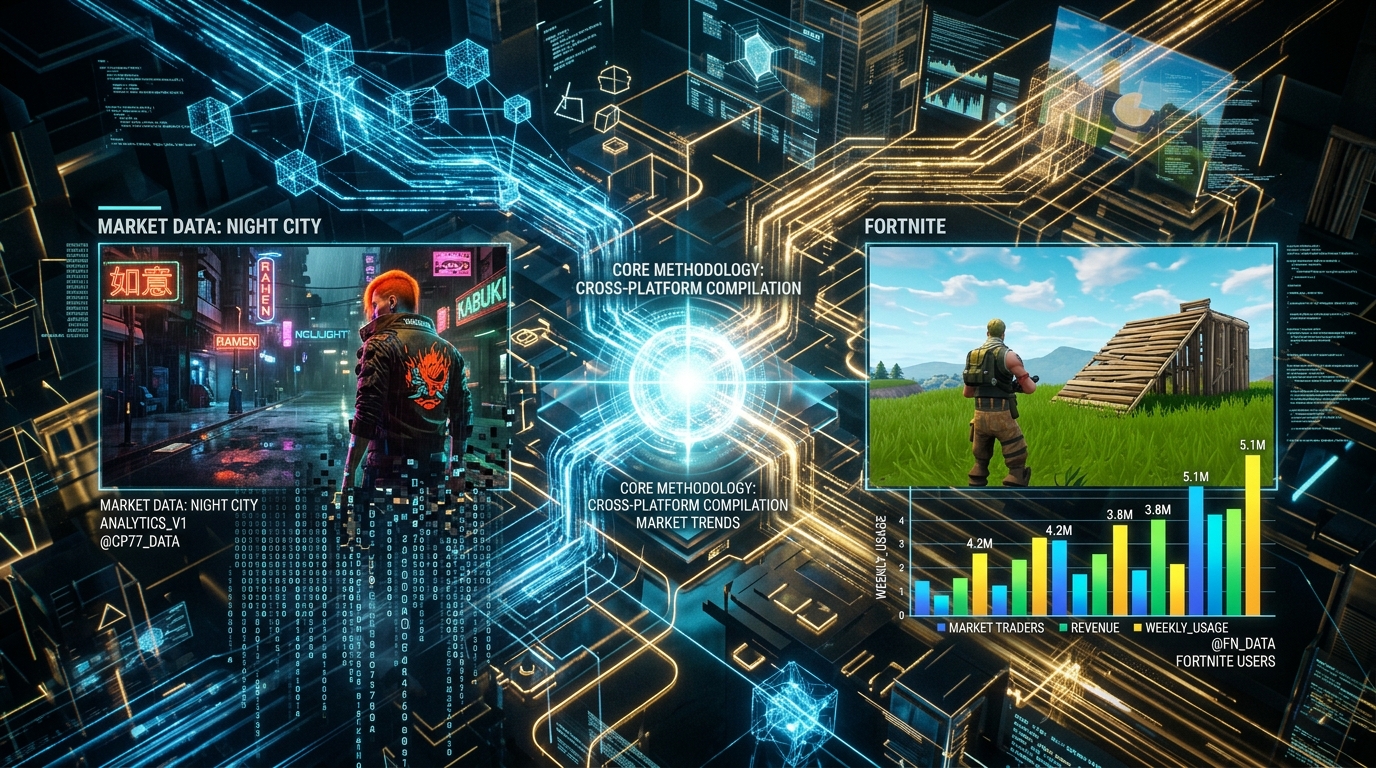
To get a real handle on why every modern game feels like it was birthed from the same digital womb, I had to dig through more than just marketing fluff. I aggregated data from the latest industry reports, cross-referenced them with databases of active releases, and sprinkled in some cold hard cash figures from annual financial filings. This is not just a collection of guesses, it is a calculated look at how three specific engines have essentially formed a chokehold on your GPU. By tracking developer preference alongside actual ship dates, I have mapped out exactly how we reached this era of technological sameness where a high-fantasy RPG and a gritty sci-fi shooter often share the exact same DNA.
The methodology relies on three primary pillars to ensure we are not just listening to what corporate PR departments want us to believe. While a company might claim they are the industry leader, the raw numbers on digital storefronts tell a much more honest story about how’s PC game engine usage changing as we look at what is actually landing on your hard drive.
- Industry Survey Data: This gives us the vibe check by showing which tools developers actually want to use versus what their bosses force them to use.
- Release Trends: This acts as the ultimate scoreboard, tracking every single release to see which engines are actually finishing the race.
- Financial Reports: These documents reveal the true scale of the market, proving that when billions of dollars are on the line, studios get very boring and play it very safe.
By blending these sources, I can show you the direct link between market dominance and that nagging feeling that you have seen these exact lighting effects and physics glitches a thousand times before. When two major players account for the vast majority of what you play, the engine feel becomes a universal constant that can turn even the most creative concepts into something that feels suspiciously familiar. This data compilation is designed to pull back the curtain on that technical monopoly. It highlights how the rise of open-source alternatives is the only thing standing between us and a unreal future where every single game is just a slightly different skin on the same underlying skeleton.
The Death of Digital Variety
The current engine environment is teetering on the edge of a boring tech duopoly that threatens to suck the soul out of our hobby. When nearly every major release is channeled through the same two sets of proprietary pipelines, we end up with a library of games that all share the same genetic defects and visual quirks. You have likely noticed that uncanny valley look where every character has the same skin shader or every explosion follows the same physics logic regardless of the genre. This technological bottleneck is turning the industry into a factory line where the unique feel of a studio is sacrificed at the altar of convenience. We are rapidly approaching a reality where the only difference between a gritty shooter and a whimsical fantasy epic is the color of the lighting rig.
A diverse engine market is the only thing standing between us and a decade of identical, cookie-cutter experiences. The rise of open-source alternatives and specialized tools is essential because it forces developers to think outside the pre-built boxes provided by the industry giants. Without healthy competition from smaller or more flexible platforms, the big players have zero incentive to fix their bloated, stutter-prone performance issues or innovate on their visual styles. We need more engines that prioritize different ways of handling movement, light, and interaction to prevent the medium from becoming a stagnant pool of shared assets. If we do not support a wider variety of technology, we are basically voting for a future where every game is just a reskin of the one you played last month.
Ultimately, the sameness of modern gaming is a choice made by a market that is far too comfortable with its current leaders. While it is easier for a studio to hire staff who already know the dominant tools, that convenience comes at the direct cost of creative identity and technical variety. Watching a third-party engine gain ground is not just a win for developers, it is a win for players who are tired of seeing the same stuttering frame rates and recycled textures in every high-budget release. We should be demanding more from the tech that powers our entertainment instead of settling for a duopoly that prioritizes market share over artistic soul. If the engine market does not diversify soon, the next ten years are going to look very familiar, and not in a good way. This lack of optimization is exactly why your $3,000 PC can’t run new games despite having top-tier hardware. To find more unique experiences, you should look for the best Steam gems that break away from these corporate standards.