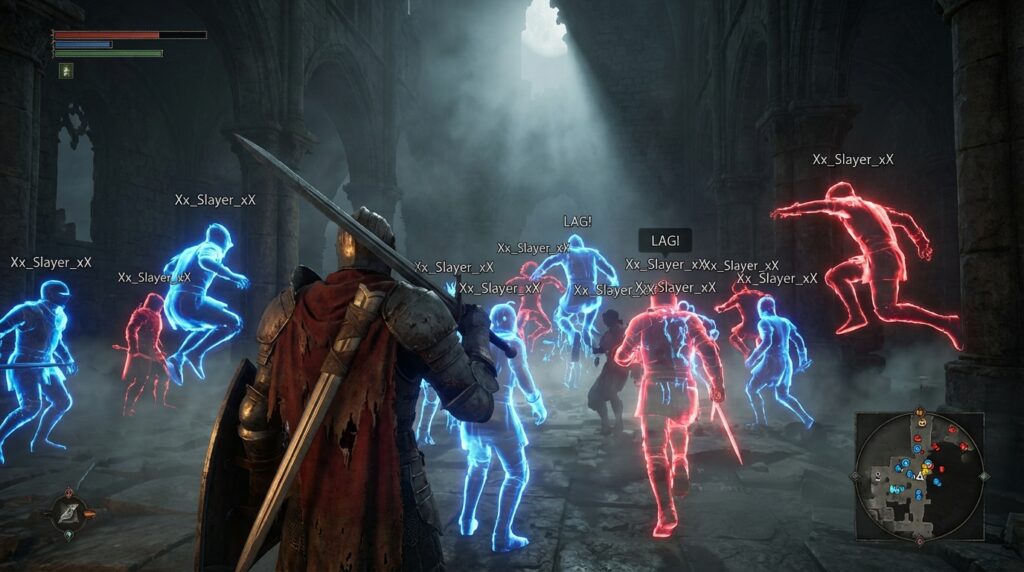
I play video games to escape the crushing disappointment of human interaction. You can imagine my absolute thrill when developers decided my solo sanctuary needed a mandatory social hour. Suddenly, franchises that built their empires on glorious isolation are shoving forced multiplayer modes down our throats like vegetables hidden in a toddler’s mashed potatoes. Take a recent massive action RPG locking its shiny new endgame dungeon behind a co-op wall. It demands I coordinate pressure plates with randoms who probably eat soup with a fork. It is a baffling industry pivot that takes the “you” out of your downtime and replaces it with a screeching stranger on an open mic.
The publisher’s brass is currently sticking to their guns on this nonsense. They boldly claim that stripping away our autonomy is actually a visionary design choice rather than a desperate engagement metric. They genuinely seem to believe that babysitting an uncoordinated teammate through a complex boss phase is the pinnacle of modern entertainment. I have suffered through these cooperative nightmares firsthand. I can confidently confirm that hell isn’t just other people. Hell is trying to carry those people through a raid puzzle they absolutely refuse to understand.
Key Takeaways
- Game publishers are actively ruining traditionally solo franchises by locking crucial content behind mandatory multiplayer modes to artificially boost engagement metrics.
- Forcing multiplayer components into narrative-driven games wastes valuable development resources that should be invested in expanding and polishing the core solo campaign.
- Tacked-on multiplayer modes inevitably result in dead servers, permanently breaking the game’s lifespan and locking dedicated fans out of achieving full completion.
- Modern live-service requirements and mandatory co-op dungeons are simply a rebranded continuation of the failed late-2000s trend of shoehorning deathmatch arenas into single-player masterpieces.
The Tacked-On Multiplayer Epidemic
There was a dark period in gaming history where corporate executives looked at perfectly crafted single-player experiences and decided they were completely worthless without a team deathmatch mode. This was the era of the tacked-on multiplayer epidemic. Publishers chased the mainstream military shooter crowd with zero regard for what actually made their own games good. Instead of investing development funds into extra levels or polishing the core campaign, studios were forced to slap together chaotic lobbies that died out three weeks after launch. It felt like a bizarre mandate from clueless suits who genuinely believed that every player buying a narrative-driven masterpiece secretly just wanted to shoot teenagers yelling into their headsets. Older gamers remember this trend perfectly. We watched our favorite solo franchises get polluted by desperate attempts to secure ongoing engagement metrics.
One famous underwater sequel is perhaps the most glaring example of this corporate insecurity. It forced players into a clunky aquatic shootout that nobody asked for and nobody remembers fondly. You were supposed to be soaking in the atmospheric horror of a ruined utopian city. Instead, you were bunny-hopping around a lobby trying to shotgun someone named xXSniperGodXx. A massive survival franchise reboot committed the exact same sin by jamming a wildly out-of-place multiplayer component into an otherwise stellar story. Scavenging for resources and surviving the brutal wilderness felt incredibly tense until you opened the menus and saw a generic multiplayer mode staring back at you like a bad joke. The developers spent years crafting an intimate origin story for their iconic heroine, only to have some marketing team staple a wildly unbalanced deathmatch arena onto the back end.
Then we have the absolute joke of a multiplayer mode shoved into a beloved sci-fi horror sequel. It took a terrifying masterpiece of isolation and turned it into a clumsy game of laser tag. Running around as an alien space zombie sounded cool on paper. The reality was a janky, frustrating mess that completely ruined the carefully constructed tension of the main game. You would think the industry had learned its lesson from these spectacular failures. Recent developments show the obsession with forced grouping is still alive and well. Just look at the ridiculous endgame expansions in modern action RPGs. They abandon decades of solo-friendly design to force players into mandatory multiplayer dungeons just to check a corporate box. It proves that no matter how much time passes, game publishers will always find new ways to shove unwanted multiplayer mechanics down our throats.
Chasing Trends With Shoehorned Deathmatch
Let me take you back to the late 2000s. It was a dark time when every publisher looked at the sales numbers for the biggest military shooters and completely lost their minds. Boardroom executives wearing suits that cost more than my car genuinely believed they could steal the shooter crown by tacking a half-baked multiplayer mode onto a perfectly good single-player campaign. They would take a slow, atmospheric survival game or a tight narrative experience and violently staple a 4v4 deathmatch arena onto its back. The sheer corporate delusion required to think a clunky, unbalanced mode with terrible netcode would somehow pull millions of players away from the leading sci-fi shooters is truly staggering. We ended up with a massive graveyard of dead servers attached to brilliant solo games that never needed a matchmaking lobby in the first place.
Nobody was ever asking to play a laggy team deathmatch in a story-driven action game. We got it forced down our throats anyway. You would load into a map that was clearly just a recycled campaign asset, only to spend ten minutes rubberbanding across the floor while someone spammed the one overpowered weapon the developers forgot to balance. It was a miserable experience designed solely to put an extra bullet point on the back of the retail box. The industry has not learned a single lesson since those days. We still see modern franchises forcing solo players into mandatory multiplayer dungeons just to chase engagement metrics. Publishers remain absolutely convinced that forcing us to play with random strangers is the magic key to infinite revenue, even when the entire gaming community is actively screaming otherwise.
Dead Servers And Ruined Platinum Trophies
I still have nightmares about the late 2000s gaming industry trend where executives decided every phenomenal single-player experience desperately needed a mediocre deathmatch mode. We all remember buying a gripping narrative adventure only to find a completely unnecessary team capture the flag mode glued to the main menu. These corporate mandates were designed to stop you from trading the game into used game shops. They just ended up creating digital ghost towns. Today, if you boot up one of these classic titles out of sheer nostalgia, you will find a multiplayer lobby emptier than a corporate boardroom on a Friday afternoon. Nobody wanted to play these modes when they launched, and absolutely nobody is playing them a decade later.
This horrific legacy leaves modern retro hunters completely locked out of achieving their hard-earned platinum trophies. You can spend eighty hours mastering every brutal difficulty level and collecting every hidden trinket in the single-player campaign. Then, you hit a massive brick wall. The final achievement requires you to win fifty ranked matches on a server that was permanently shut down in 2014. It is incredibly infuriating to have a completion rate permanently stuck at ninety percent just because some suit wanted to chase the mainstream shooter crowd. We are left with a massive graveyard of permanently broken games that punish dedicated fans for playing them too late.
You would think developers had learned from this embarrassing era of tacked-on multiplayer. Instead, the industry is actively making the exact same mistakes right now. Franchises that have historically championed the solo player experience are suddenly forcing mandatory group content down our throats. When developers lock crucial endgame dungeons or story progress behind required cooperative play, they are just setting a brand new timer on their own game’s lifespan. The moment the player base inevitably moves on to the next big release, these forced multiplayer sections will become completely unplayable. We are watching the creation of tomorrow’s ruined completion runs in real time. It is exhausting to see history repeat itself.
Thank God Shoehorned Multiplayer Is Dead
I will forever thank the gaming gods that the era of shoehorning a half-baked deathmatch into every single-player masterpiece finally died a painful, unceremonious death. Corporate executives eventually realized that nobody was buying a deep, narrative-driven adventure just to get teabagged by a teenager in a laggy arena. It was a spectacular failure of trend-chasing that wasted precious development time and budget on modes that were entirely dead on arrival. We survived a dark period where perfectly good solo campaigns were actively sabotaged just to tick a bullet point on the back of a plastic box. Looking back at those forced multiplayer modes feels like remembering a bad fever dream that the industry collectively agreed to wake up from.
Of course, publishers could never just leave us alone with a complete, offline game. They immediately replaced those cursed deathmatch lobbies with the equally obnoxious live-service model we currently suffer through today. Now, instead of simply ignoring a tacked-on multiplayer menu, we are forced to deal with always-online requirements and mandatory co-op dungeons in franchises that used to champion solo play. The recent outrage over mandatory group activities in traditionally solo titles proves that executives are still obsessed with forcing us to play together whether we want to or not. The wrapping paper might look a little different now, but the corporate desperation to keep us endlessly grinding in a shared ecosystem smells exactly the same.
Frequently Asked Questions
1. What exactly is a forced multiplayer mode?
It is when a developer takes a perfectly good single-player game and holds the best content hostage behind a co-op wall. Instead of letting me enjoy my glorious isolation, they force me to team up with random players who probably eat soup with a fork. It is a cheap trick to boost engagement metrics.
2. Why do developers keep shoving multiplayer into single-player games?
Clueless corporate suits look at perfectly crafted solo experiences and decide they need a team deathmatch mode to chase the multiplayer crowd. They genuinely believe stripping away our autonomy is a visionary design choice. In reality, it is just a desperate attempt to keep you logged in longer.
3. Can I just play these new endgame dungeons by myself?
Nope. Publishers are locking shiny new dungeons entirely behind mandatory co-op walls. You will have to coordinate pressure plates and complex boss phases with strangers who refuse to understand basic mechanics. They think babysitting uncoordinated teammates is the pinnacle of modern entertainment.
4. Were the multiplayer modes in classic story-driven games actually any good?
Absolutely not. They were chaotic, tacked-on lobbies that died out three weeks after launch because nobody asked for them. Instead of polishing the core campaign, studios wasted development funds on a bizarre mandate from executives trying to ruin narrative-driven masterpieces.
5. Is there any benefit to these tacked-on multiplayer modes?
If you enjoy screaming at an open mic while carrying people through a raid puzzle they refuse to learn, sure. For the rest of us who play games to escape the crushing disappointment of human interaction, there is absolutely zero benefit. It just takes the “you” out of your downtime.
6. Will the industry ever stop forcing co-op down our throats?
Not as long as publishers keep prioritizing desperate engagement metrics over actual fun. Until gamers stop buying into this nonsense, executives will keep hiding vegetables in our mashed potatoes. Just vote with your wallet and stick to games that respect your solo sanctuary.
7. What should developers do instead of forcing multiplayer?
They should invest those development funds into extra levels, better writing, or just polishing the core campaign. If a game is built on glorious isolation, developers need to leave it alone and stop trying to fix what is not broken. Let single-player games be single-player games.