If you’ve spent the last year getting trampled by stampeding herds or struck by lightning, you know that the monster hunter wilds monsters aren’t exactly interested in a fair fight. The Forbidden Lands have become a chaotic ecosystem where the food chain is less of a ladder and more of a blender. From pack-based predators that actually use teamwork to the weather-warping Apexes, this roster is designed to make you work for every single carve.
Now that the Ascendance expansion is looming like a hungry Rathalos, the stakes have shifted from simple survival to outright mastery. We’ve moved past the days of bullying basic Great Doshaguma and straight into the terrifying territory of Arch-Tempered Arkveld and its retractable chain-blades. Whether you’re a veteran hunter or someone who still manages to miss a True Charged Slash on a sleeping target, keeping up with these evolving threats is the only way to avoid becoming a permanent part of the landscape.
Key Takeaways
- Arkveld, the White Wraith, represents a new tier of mechanical complexity with its retractable chain-link wing blades and devastating Dragon-element energy attacks.
- The Forbidden Lands feature a chaotic ecosystem where dynamic weather cycles and pack-based teamwork force hunters to prioritize environmental awareness over simple combat mechanics.
- The Ascendance expansion shifts the gameplay focus toward high-level mastery, specifically through the Arch-Tempered Arkveld’s punishing hitboxes and elemental absorption.
- Successful hunting in this new era requires distinguishing between gimmick-reliant predators and apex threats that utilize the Inclemency cycles to amplify their power.
Arkveld And The High Fashion Of Wing Blades
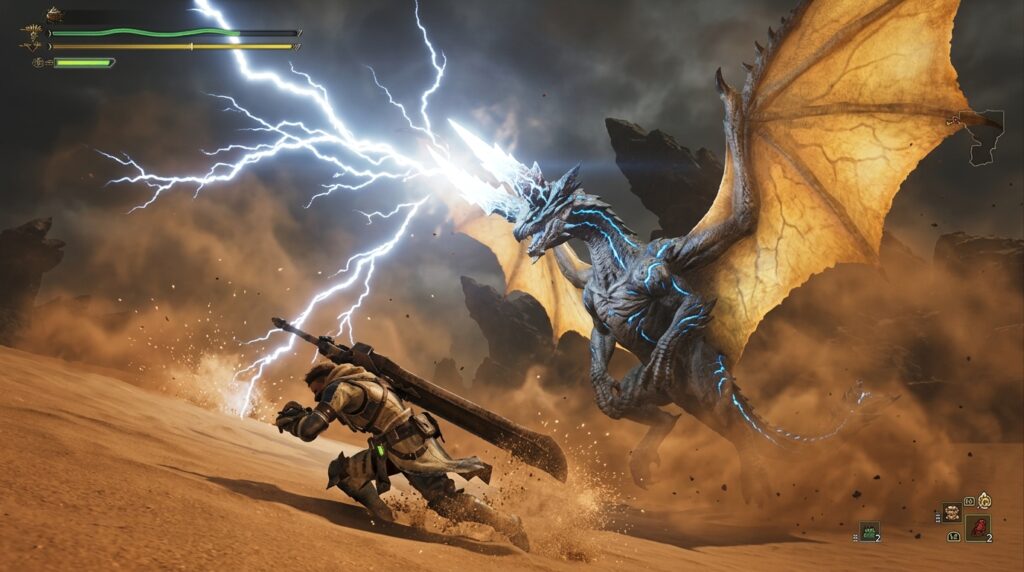
Arkveld, our resident “White Wraith,” is essentially what happens when a Flying Wyvern spends too much time browsing gothic jewelry catalogs. Its signature chain-link wing blades are undeniably flashy, extending and retracting with a mechanical precision that makes you wonder if it was born in a nest or an industrial factory. While the design team clearly wants us to be terrified of these flexible metal appendages, there is something slightly desperate about the whole aesthetic. It feels less like a natural apex predator and more like a monster trying way too hard to look cool for its debut trailer. I cannot decide if I am supposed to sharpen my Long Sword or offer it a leather jacket and a spot in a mid-2000s nu-metal band.
The actual threat level of these wings is where the conversation gets interesting because they are not just for show. Arkveld uses those chains to whip the air into a frenzy, absorbing elemental energy before dumping a concentrated dose of Dragon-element misery right onto your head. It is a mechanically impressive fight, especially in the Arch-Tempered version where one wrong roll means getting clotheslined by a biological tetherball. Still, every time it poses with those wings flared out, I get the distinct impression it is waiting for a photographer to capture its “good side.” It is a fantastic fight wrapped in a design that screams “I have a Pinterest board dedicated to sharp objects,” making it the most high-maintenance flagship we have seen in years.
Despite my skepticism regarding its fashion choices, Arkveld effectively pushes the boundaries of what a Flying Wyvern can actually be in this new ecosystem. The way it adapts to the dynamic weather cycles and uses those blades to navigate the environment shows that the developers at least thought about functionality over pure edginess. It is a far cry from some of the more uninspired pack monsters that look like they were sketched on a napkin during a lunch break. Whether you find the chain-blades intimidating or just a bit extra, you cannot deny that the White Wraith brings a much-needed sense of spectacle. Just try not to laugh when it does that dramatic wing-flick, because it definitely thinks it looks more menacing than it actually does.
Apex Predators Versus Overgrown Railgun Lizards
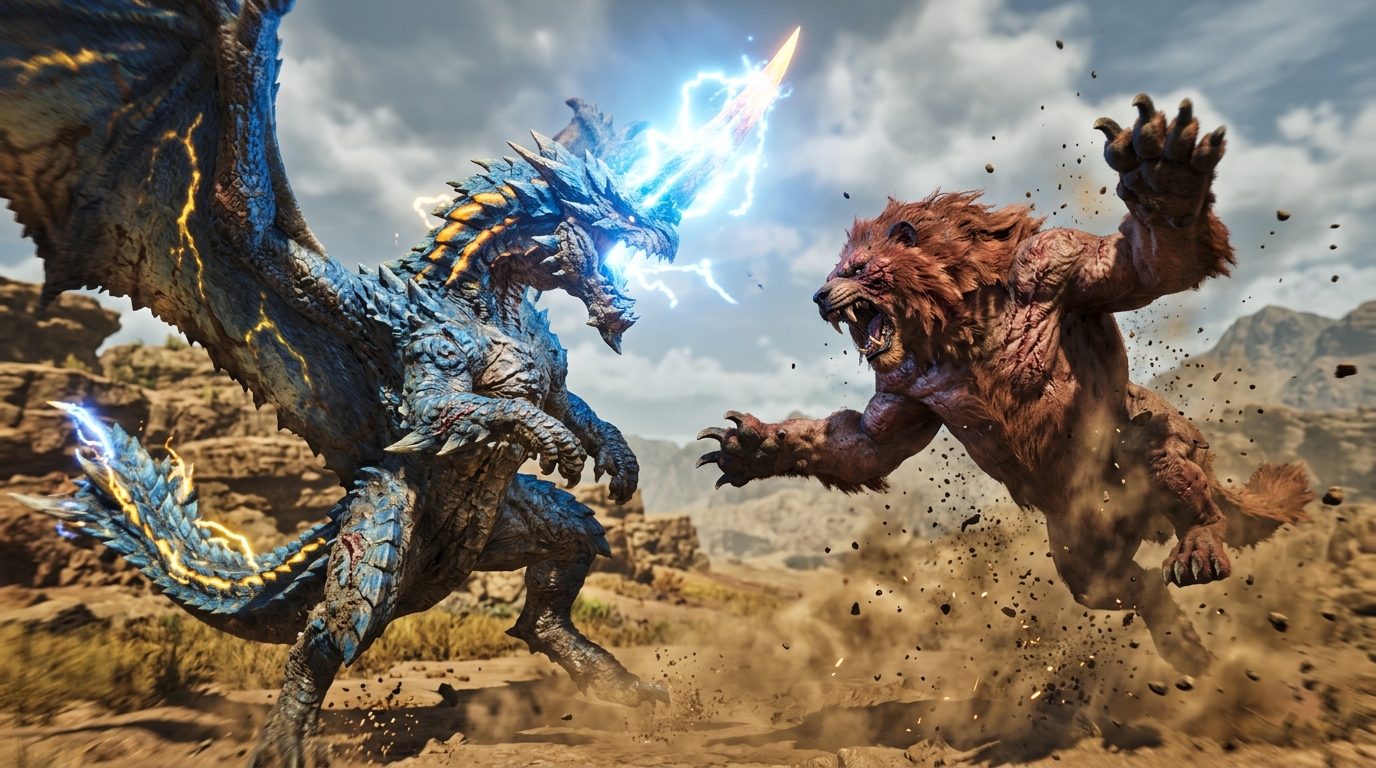
Rey Dau is supposed to be the terrifying apex of the Windward Plains, but half the time it looks like a glorified railgun that someone accidentally glued onto a lizard. While the Sandblast Inclemency is meant to make this Flying Wyvern feel like a god of thunder, it mostly just reminds me of a high-end PC case with too much RGB lighting. It spends its time charging up massive electrical attacks that are admittedly flashy, yet the moment it misses, it just stands there looking like a confused microwave. I appreciate the commitment to the “living battery” aesthetic, but it is hard to feel truly threatened when the monster’s entire personality is just being a very angry, overgrown taser.
Moving over to the Scarlet Forest, we have Uth Duna, which is essentially what happens when a designer spends too much time looking at a damp sponge and decides it needs a boss fight. This Leviathan uses its moisture-abundant environment to coat itself in a water veil that acts as both armor and a weapon, which is a clever mechanic until you realize you are just fighting a very moist, very aggressive puddle. It has the grace of a ballroom dancer and the face of something that belongs at the bottom of a goldfish bowl, making it a weirdly elegant yet entirely goofy presence. I am still waiting for it to do something that does not involve sliding around like it is on a slip-and-slide, because right now, it feels more like a rejected plushie concept than a world-ending threat.
The real issue with these two is that they rely so heavily on their environmental gimmicks that they forget to be actually intimidating predators. In a post-Ascendance world where we are dealing with the likes of White Wraith Arkveld and its chain-blade nonsense, a wet lizard and a battery-powered gecko feel a bit like the opening act at a circus. They are fun to look at during the “Plenty” phase when everything is colorful and nice, but the moment the weather gets real, they just feel like bloated amphibians trying too hard to stay relevant. I want my monsters to haunt my nightmares, not make me wonder if I should buy them a dehumidifier or a surge protector.
Lala Barina And The Rise Of Terrifying Florals
Lala Barina is the exact kind of monster that makes you wonder if the design team is okay or if they just spent too much time in a botanical garden while high on caffeine. This Temnoceran is essentially a giant, gothic spider wearing a ballgown made of paralyzing floral petals, which is a bold choice for a creature that wants to liquefy your insides. While the community is busy calling her a spider waifu, I am more concerned with the fact that she moves like a Victorian ghost on roller skates. It is a brilliant bit of subversion to take something as traditionally beautiful as a blooming rose and turn it into a nightmare of barbed legs and pheromone traps. If you find yourself distracted by the pretty colors, you are exactly the kind of hunter who ends up as a decorative centerpiece for her nest.
Then we have the Chatacabra, a monster that looks like a rejected plushie concept that someone accidentally dipped in industrial strength glue. This oversized, bumpy frog has a tongue that could probably pull a Rathalos out of the sky, and it uses its own saliva to armor its limbs with boulders. It is a weirdly domestic kind of terrifying, like a family pet that grew to the size of a minivan and developed a taste for human shins. Watching it lick its own hands to create makeshift stone boxing gloves is both hilarious and deeply unsettling in the heat of a hunt. It seems anything can be a threat if you give it enough adhesive properties and a complete lack of personal space.
The shift toward these floral and sticky designs marks a strange departure from the usual scales and fire breathing dragons we have grown accustomed to over the years. By leaning into the uncanny valley of nature, the game manages to make the ecosystem feel genuinely unpredictable rather than just another monster museum. You go from dodging a chain-bladed wyvern like Arkveld to getting smacked in the face by a giant, wet tongue, and somehow it all fits the chaotic energy of the Forbidden Lands. These monsters are not just there to be hunted, they are there to remind you that nature is gross, sticky, and occasionally dressed for a funeral. Whether you are avoiding a petal induced paralysis or a face full of frog spit, the message is clear that the environment is no longer on your side.
Ascendance Expansion And The Arch Tempered Grind
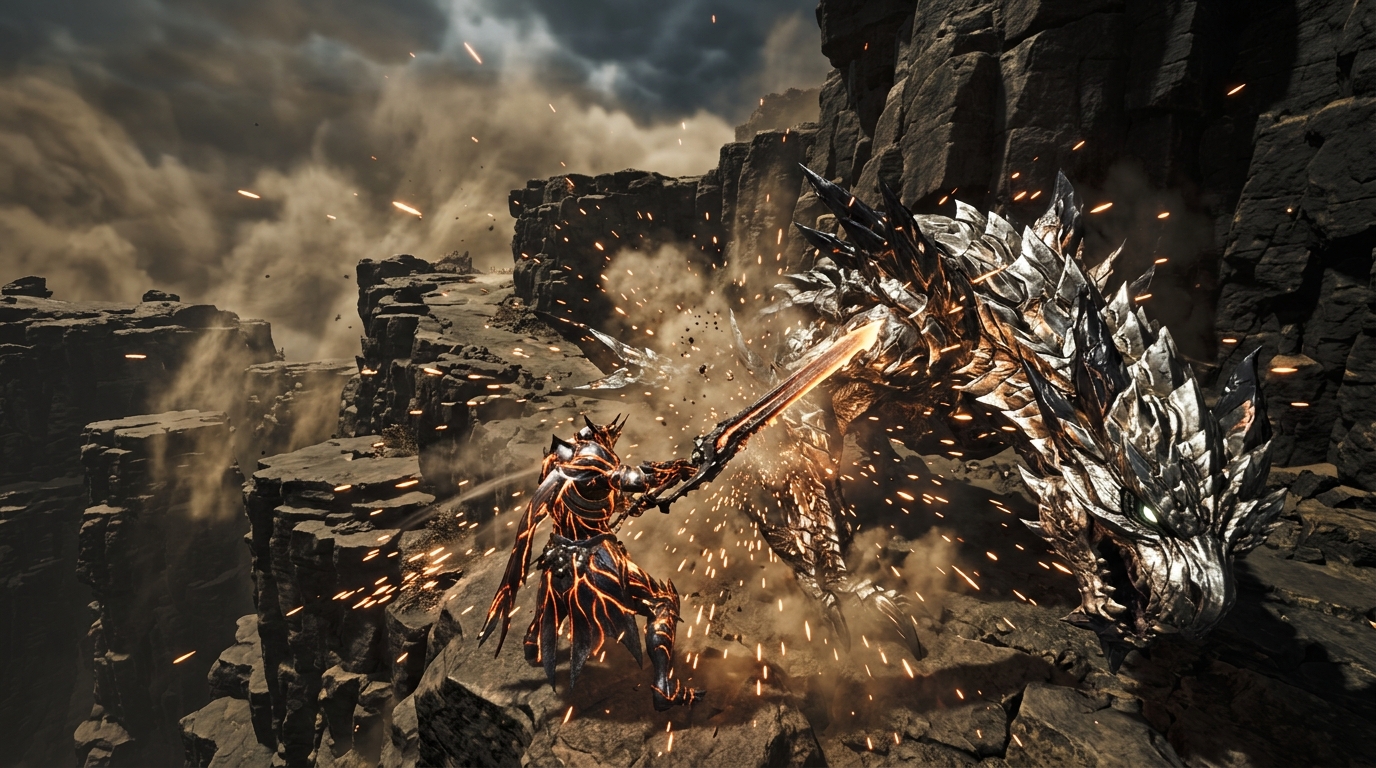
The Ascendance expansion finally dropped, bringing with it the much anticipated Arch-Tempered Arkveld, and I have some thoughts on whether this “White Wraith” is actually a challenge or just a glorified health sponge. After grinding to Hunter Rank 100 to unlock the Freedom from Solitude quest, it is clear that the developers are still walking that thin line between rewarding mastery and pure, unadulterated masochism. The chain-blade mechanics are undeniably cool, but when those blades map-read your dodge and hit you with enough Dragon energy to power a small city, the charm starts to wear off. It feels like the developers looked at the community’s demand for difficulty and decided to respond with a monster that has the frame data of a fighting game boss and the hitboxes of a semi-truck. If you enjoy sweating through your controller while a monochromatic bird-dragon ignores the laws of physics, you’ll be in heaven, but everyone else might find it a bit much.
While the new ecosystem changes and herd mechanics are the selling points, the Arch-Tempered grind remains the ultimate litmus test for your patience and build optimization. Arkveld’s ability to absorb elemental energy from the environment makes the Inclemency cycles feel genuinely threatening, forcing you to actually pay attention to the map instead of just mindlessly swinging your Great Sword. However, we have to address the elephant in the room, which is the blatant stat-padding that turns a twenty-minute hunt into a grueling endurance test. It is a legitimate challenge that rewards precise positioning, but there are moments where the sheer damage output feels less like a fair fight and more like the game is mocking your life choices. You will either come out of this hunt feeling like a god or like you need to uninstall and go touch some actual grass.
In the end, crowning a champion for the roster comes down to distinguishing the genuine apex predators from the rejected plushie concepts that populate the lower tiers. Arkveld certainly earns its flagship status through sheer intimidation and mechanical depth, even if its Arch-Tempered variant is designed to be a nightmare for your blood pressure. For those looking for the best experience, stick to the hunts that capitalize on the dynamic weather cycles and pack behavior rather than the ones that just inflate numbers for the sake of artificial difficulty. Some of these new designs are absolute bangers that prove the series still has plenty of bite, while many hunter clones are clearly just there to fill out the ecological survey. Focus your efforts on the monsters that respect your time and skill, and feel free to ignore the ones that feel like a chore masquerading as content.
Evolutionary Masterpieces and Total Design Disasters
The ecosystem has turned into a bizarre game of evolutionary roulette where some designs are absolute nightmares and others look like they were sketched during a toddler’s sugar crash. Arkveld, the so-called White Wraith, definitely wins the “trying too hard” award with its chain-link wing blades and brooding Dragon-element energy. It is an undeniably cool flagship, especially when the Arch-Tempered version is busy turning high-rank hunters into piles of salt, but it feels like it belongs on the cover of a heavy metal album rather than in a functioning food chain. Still, you have to respect the sheer audacity of a monster that literally uses its own wings as retractable whips to remind you exactly where you sit on the food chain.
On the flip side, the dynamic weather cycles and pack mechanics have given us some truly questionable additions that make me wonder if the developers were just looking at their kids’ toy bins for inspiration. For every apex predator that actually makes your heart race during an Inclemency storm, there is a pack-based creature that looks more like a rejected plushie concept than a genuine threat to a seasoned hunter. It is a strange balance where you are either fighting for your life against a biological weapon or feeling slightly embarrassed that a group of oversized multicolored fluff-balls managed to cart you back to camp. Whether you are hunting for the thrill or just to clear these goofy-looking eyesores off the map, the monster list ensures that the Forbidden Lands are never boring, even if some designs are more laughable than legendary.
Frequently Asked Questions
1. Who is Arkveld and why should I care about its wings?
Arkveld is the White Wraith, a Flying Wyvern that looks like it raided a Hot Topic before heading into battle. Those retractable chain blades on its wings aren’t just for show, they provide massive reach that will catch you off guard if you’re expecting a standard wing slap. Think of it as a gothic blender with an identity crisis.
2. What makes the ecosystem in the Forbidden Lands different from previous games?
The developers finally stopped letting monsters wait their turn to get punched in the face, creating a chaotic blender of an environment. Between the brutal Inclemency weather cycles and predators that actually use pack tactics, the game has evolved past simple 1v1 duels. Survival here requires managing the weather as much as dodging the claws.
3. How do pack-based predators change the hunting strategy?
You can no longer rely on bullying a single target while its friends stand around and watch. These monsters use actual teamwork to corner you, making positioning and crowd control more important than ever. If you try to ignore the smaller threats, you’ll find yourself back at camp before you can even find your whetstone.
4. What is the deal with the Ascendance expansion?
Ascendance is the point where the game stops holding your hand and starts trying to rip it off. It introduces high tier threats like Arch Tempered Arkveld, shifting the focus from basic survival to high level mastery. It is essentially a way of asking if you actually learned how to play or if you just got lucky.
5. Are the Apex monsters really that much harder during weather cycles?
Apexes are weather warping nightmares that turn the environment into a weapon against you. During an Inclemency cycle, their power spikes significantly, making them much more dangerous than your average forest dweller. If you aren’t prepared for the lightning or the stampedes, you are just a snack in a fancy suit.
6. Is the Doshaguma still a threat in the late game?
The Great Doshaguma is basically the tutorial punching bag once you reach the real threats. While it is a decent introduction to pack mechanics, it quickly becomes a footnote compared to the mechanical precision of monsters like Arkveld. Check out our Monster Hunter Wilds preview for more on how these systems interact. Use it for practice, but don’t expect it to prepare you for the chain blades.