

Let’s be honest. Modern AAA gaming has become a glorified storefront disguised as entertainment. You spend seventy dollars for the privilege of grinding through a battle pass just to unlock a slightly different shade of blue for your character’s left boot. The actual gameplay usually consists of following a floating marker to a soulless fetch quest while an NPC explains the controls to you like you have never held a controller before. It is exhausting to play titles that seem more interested in your credit card number than your enjoyment or your intelligence. We are drowning in unfinished sequels that launch with roadmap promises instead of functioning mechanics.
The indie scene is still churning out the kind of gritty, weird experiences that big publishers are too terrified to touch. These developers are not trying to sell you a roadmap or a subscription service because they are too busy building worlds that actually respect your time. Instead of focus-tested mediocrity, you get distinct art styles and mechanics that might actually force you to use your brain for once. You might encounter a difficulty curve that feels like a slap in the face, but at least you feel something other than boredom. It is time to stop rewarding corporate laziness and start supporting the creative risks that make this genre worth playing.
Underrail: Unforgiving Isometric Brutality
If you pine for the days when Fallout felt like a survival simulator rather than a theme park, Underrail is your new obsession. Stygian Software created a post-apocalyptic metro crawler that actively despises your need for comfort. There are no quest markers floating above heads to tell you where to go. The game expects you to actually read the dialogue logs to solve problems. It is isometric, turn-based, and brutally difficult in a way that forces you to respect every single rat you encounter in the tunnels. This isn’t just a nostalgia trip. It is a masterclass in tension that AAA studios are too terrified to replicate.
The biggest complaint you will hear from casual players is that the game has no auto-map, which is exactly why it rules. You have to navigate the labyrinthine station tunnels using your actual brain and landmark recognition instead of following a dotted line. Getting lost is a core mechanic here because it subjects you to the claustrophobic dread that defines the setting. Beyond the exploration, the character build system allows for such insane diversity that you can solve problems with mind control, stealth, or just a really big sledgehammer. Just be warned that if you create a bad build, the game will punish you until you restart with a better plan.
Hylics 2 and Melting Your Brain
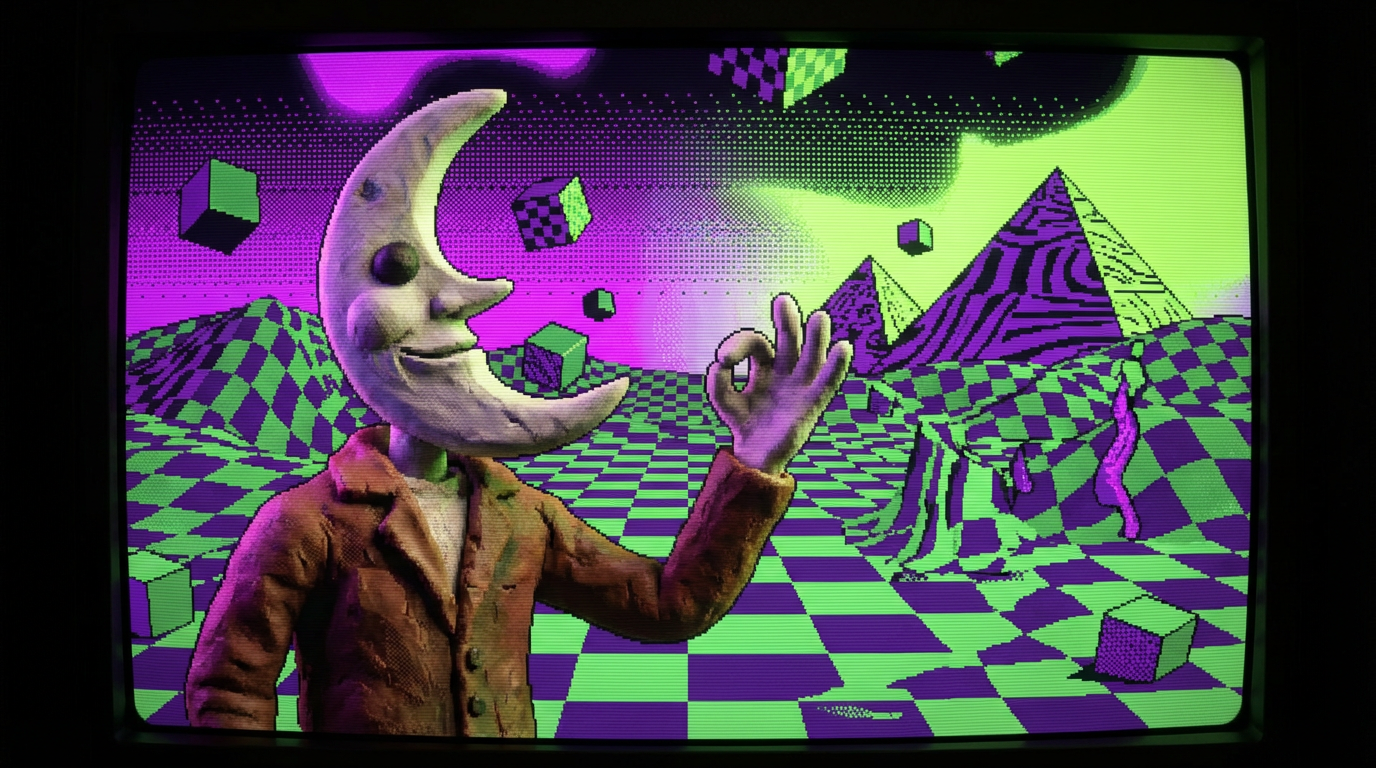
If you are tired of saving the same medieval kingdom from the same spiky-armored dark lord, Hylics 2 is the hallucinogenic palate cleanser you desperately need. Mason Lindroth’s surrealist RPG ditches pixels and polygons for actual stop-motion clay models that look like they crawled out of a Salvador Dalí painting. You won’t find any generic elves or dwarves here. Just a cast of moon-faced weirdos navigating a world that refuses to explain itself. It is disorienting, slightly uncomfortable, and infinitely more interesting than collecting ten bear asses for a generic NPC. The game respects you enough to assume you can handle an art style that doesn’t look like everything else on the Steam storefront.
Combat in this game feels like a fever dream where you defeat enemies by snapping your fingers or dissolving them with burrito bombs. Standard magic missiles are replaced by incomprehensible hand gestures and abilities that feel like inside jokes you aren’t meant to understand. The narrative logic is nonexistent, yet it compels you to keep exploring just to see what bizarre creature waits around the next corner. Most modern RPGs treat you like a toddler who needs a waypoint for every step, but Hylics just drops you into the deep end of the pool. You play this to melt your brain, not to follow a dotted line to the next cutscene.
CrossCode: When Puzzles Actually Punch Back
Most modern action RPGs treat you like a toddler who just discovered what a controller is, but CrossCode has absolutely no interest in holding your hand. It looks like a charming SNES throwback on the surface, yet that pixel art is just a Trojan horse for some of the most demanding gameplay I have seen in years. You might expect a cozy adventure about a silent protagonist, but what you actually get is a high-speed twin-stick shooter disguised as a JRPG. Radical Fish Games decided that nostalgia shouldn’t mean easy, so they built a combat system that requires actual precision instead of mindless button mashing. If you are used to games that aim for you, prepare for a rude awakening when the first boss wipes the floor with your avatar.
The real kicker here isn’t just the combat, but the absolute sadism of the dungeon puzzles. Most developers think a puzzle means finding a key in the room next door. CrossCode demands you possess a PhD in geometry and the reflexes of a fighter pilot. You have to ricochet energy balls off three different walls while a timer ticks down and moving platforms try to crush you. It creates a specific type of frustration that makes you want to throw your keyboard through the monitor, which is exactly what a good game should do. If your hand-eye coordination is garbage, this game will not hesitate to mock you until you either get good or uninstall in shame.
What makes this experience essential is how it respects your intelligence by actually demanding your full attention. There are no mindless fetch quests to pad out the runtime because the sheer difficulty of the dungeons does that naturally. While AAA studios are busy trying to sell you blue pants for five dollars, this team built a massive world that feels alive and dangerous. It proves that you don’t need photorealistic graphics to make a game that feels better to play than the latest cinematic blockbuster. CrossCode is a sharp reminder that video games used to be interactive challenges rather than interactive movies.
Lisa the Painful’s Moral Bankruptcy
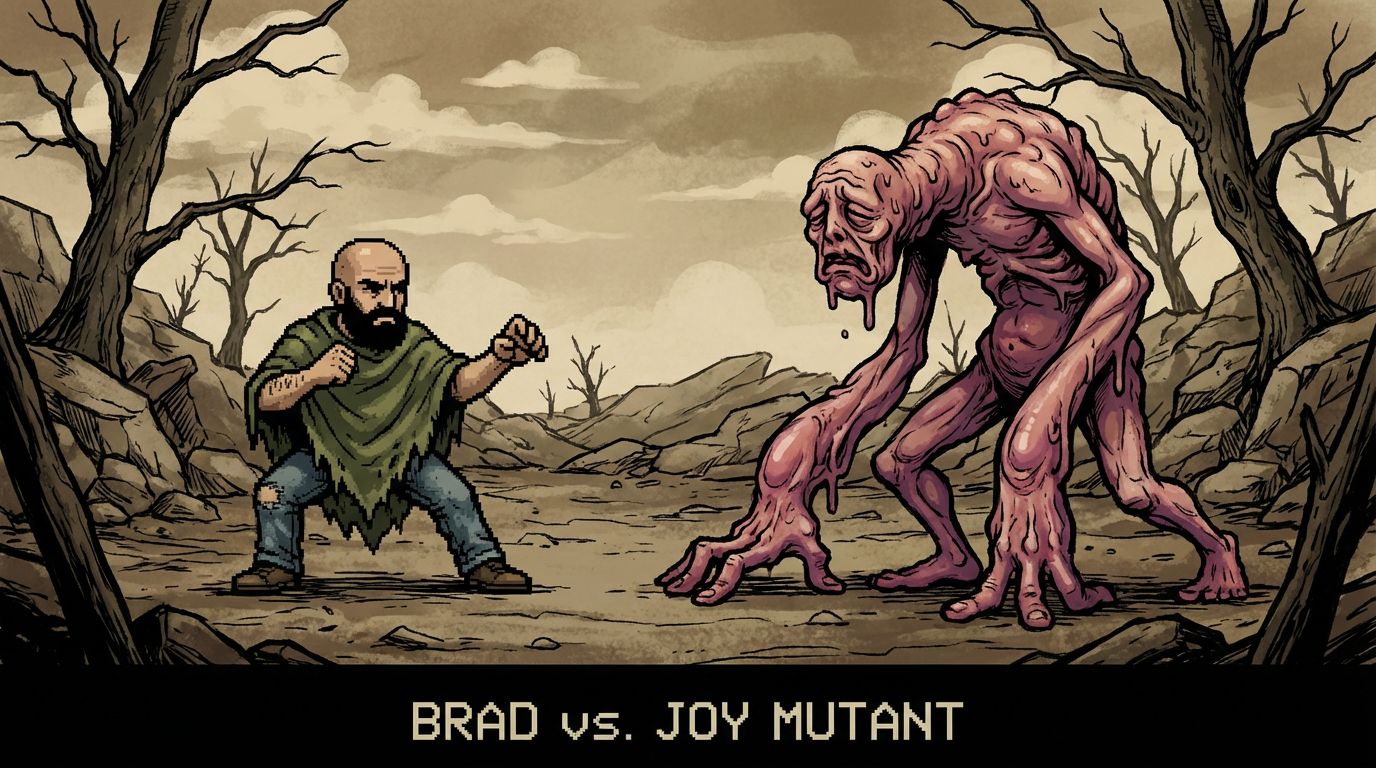
Most RPGs bend over backward to make you feel like the chosen one, but LISA wants you to know you are absolute garbage. This side-scrolling disasterpiece looks like a quirky Earthbound clone until it starts demanding actual sacrifices from you. You play as Brad, a broken man in a post-apocalyptic wasteland where women are extinct and perverts rule the roads. It is ugly, hilarious, and genuinely painful to play because it refuses to hold your hand or your emotions. You will not find high-fidelity motion capture here. Just pixelated suffering that hits harder than any Oscar-bait cutscene Sony has ever produced.
The combat system is solid, but the real enemy is the sadistic decision-making that forces you to choose between your limbs and your friends. If a party member dies to a random mutant or a round of Russian Roulette, they are gone forever. There are no magical resurrection items to save you from your own incompetence or terrible luck. You have to live with the fact that you let a loyal companion die because you were too cheap to heal him. It respects your intelligence by assuming you can handle the consequences of being a terrible father figure.
Big budget studios think emotional depth means crying in the rain while a violin swells in the background. LISA proves you can break a player’s heart with nothing but a few lines of text and a sprite falling off a cliff. It is a masterpiece of misery that stays with you long after the credits roll because the pain feels earned. If you want a game that actually challenges your morality instead of just pretending to, this is the one to install. Just do not come crying to me when you realize you are the villain of your own story.
Crystal Project’s Non-Linear Voxel Addiction
Most JRPGs think I care about their teenage protagonist’s angst, but Crystal Project knows better. This game looks like Minecraft had a baby with Final Fantasy V and decided that plot was unnecessary baggage. You get dropped into a massive voxel world with zero hand-holding and told to go find crystals to unlock classes. The exploration is vertical, meaning you have to platform up mountains while managing a deep turn-based combat system. It respects your time by realizing that the best part of an RPG is building a broken character, not reading a visual novel.
What makes this loop so addictive is that the platforming acts as the gatekeeper for the best gear and classes. You will find yourself obsessively trying to jump onto a specific tree branch just to reach a chest that might contain a new sword. The combat does not mess around either, forcing you to actually use buffs instead of just mashing the attack button. It proves you do not need 4K textures or motion-captured actors to make a world feel alive and dangerous. If you want a game that shuts up and lets you play, this is the one you need to install immediately.
It is time to do yourself a favor and uninstall that hundred-gigabyte live-service bloatware that is holding your hard drive hostage. We have been trained to think that graphical fidelity equals quality, but realistic puddles do not make up for gameplay that makes you want to sleep. These indie titles prove that a small team with a singular vision can outclass a corporate boardroom trying to monetize your attention span. Go play something that actually has a soul instead of another unfinished sequel designed to sell you a battle pass. You deserve better than digital chores, so go spend your money on developers who actually respect your intelligence.
Ditch the Turds, Play Something With a Pulse
You can keep dropping seventy dollars on polished turds that treat you like a toddler with a credit card, or you can play something with a pulse. The games covered here prove that you do not need a massive budget to create an experience that actually respects your time. While big studios are busy figuring out how to monetize your reload animation, indie developers are out here building worlds that demand your full attention. It is refreshing to play titles that refuse to hold your hand or explain every single mechanic five times. Stop settling for mediocrity just because it has a famous logo on the box.
If you are afraid of getting lost without a waypoint marker or dying because you made a stupid tactical decision, then maybe these RPGs are not for you. Games like Underrail and Hylics 2 are not interested in making you feel like a powerful god immediately. They want you to earn your victories through trial, error, and a healthy amount of frustration. This friction is exactly what makes finally succeeding feel so much better than blindly following a dotted line on a mini-map. We used to call this actual gameplay before the industry decided we all had the attention span of a goldfish.
Your wallet is the only language these corporate publishers understand. Stop rewarding them for lazy design. By supporting these smaller studios, you are funding creativity instead of another quarter of record profits for a board of directors who do not even play video games. Take the risk on a weird claymation adventure or a brutal isometric crawler. You might actually remember playing them a year from now, which is more than I can say for the latest annual franchise release. Do yourself a favor and install something that treats you like an adult.