After a year of wandering through procedurally generated voids that felt about as lively as a dry-erase board, the developers finally dropped a handcrafted lifeline. My starfield shattered space review aims to answer the only question that matters: does focusing on a single, moody planet actually fix the soul-crushing emptiness of the base game? I am heading to Varuunkai to deal with space cultists and cosmic anomalies, which is a nice change of pace from scanning space-moss for the hundredth time.
If you are at least Level 35 and tired of the same three recycled outposts, the distress call from the Oracle is calling your name. This expansion ditches the thousand planets gimmick for the dark, neon-soaked streets of Dazra and a more focused narrative approach. It is a bold attempt to pivot from quantity to quality, but whether it is a triumphant return to form or just a fresh coat of paint on a shaky foundation is a different story.
Key Takeaways
- The pivot from procedural generation to a handcrafted, single-planet map on Varuunkai significantly improves exploration by replacing empty voids with dense, intentional environments.
- Shattered Space prioritizes quality over quantity, offering a more cohesive narrative and unique locations that eliminate the repetitive cycle of recycled outposts found in the base game.
- While the expansion excels in atmosphere and environmental design, the core gameplay remains largely unchanged, relying on the same combat mechanics and mission structures.
- Players should reach at least Level 35 before attempting the expansion to survive the increased challenge posed by the new Phantom enemies and cosmic anomalies.
Varuunkai And The Single Planet Gamble
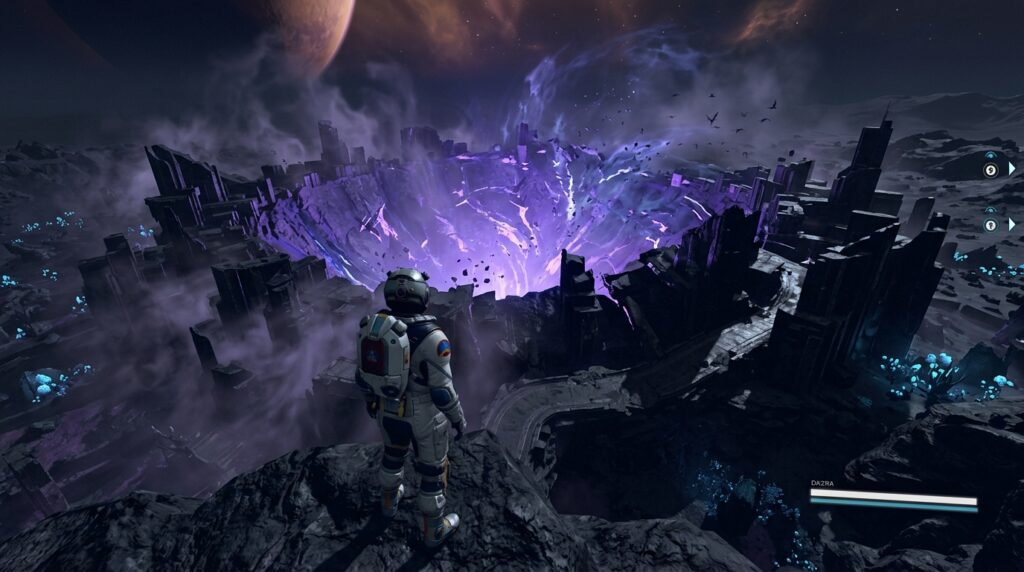
The studio finally listened to the shouting matches about the base game’s endless, empty procedural generation by caging us on the handcrafted moon of Varuunkai. For once, you aren’t spending half your life holding the sprint button across a gray rock just to find a recycled laboratory filled with the same three pirates. This pivot to a single, dense location feels like a desperate but necessary apology for the thousand planets marketing fluff that originally bloated the experience. The capital city of Dazra and its surrounding wastes actually feel like they were designed by humans with a plan rather than an overworked algorithm. It is a relief to look at a horizon and know that if I walk toward a strange glowing spire, there is actually a unique story beat waiting for me there.
The trade-off for this newfound focus is a lingering sense of claustrophobia that might rub some space explorers the wrong way. While the handcrafted terrain is infinitely more interesting than the generic biomes of the settled systems, you quickly realize how small the playground actually is when you can’t just jump to a new star system to escape the gloom. Everything is bathed in a moody, purple hue that looks cool for the first hour but starts to feel like you are trapped inside a neon lava lamp by hour ten. It is a massive improvement over the mindless trekking of the original launch, yet it highlights how much the core engine relies on scale to hide its mechanical simplicity. You are trading the infinite emptiness of the galaxy for a high-quality backyard, which is a win, even if the fence feels a bit too close at times.
Ultimately, the Varuunkai gamble pays off because it forces the gameplay to actually stand on its own feet without the crutch of infinite discovery. The verticality of the map and the intentional placement of encounters make the combat feel less like a chore and more like a tactical necessity. You aren’t just clearing outposts for the sake of loot, you are navigating a cohesive world that feels like it has a history and a pulse. It is definitely not a total reinvention of the formula, but it proves that a smaller, curated experience is always superior to a vast wasteland of nothingness. If you were on the fence about returning, this shift toward quality over quantity is the only reason to actually reinstall the game.
House Varuun And The Great Serpent Snore
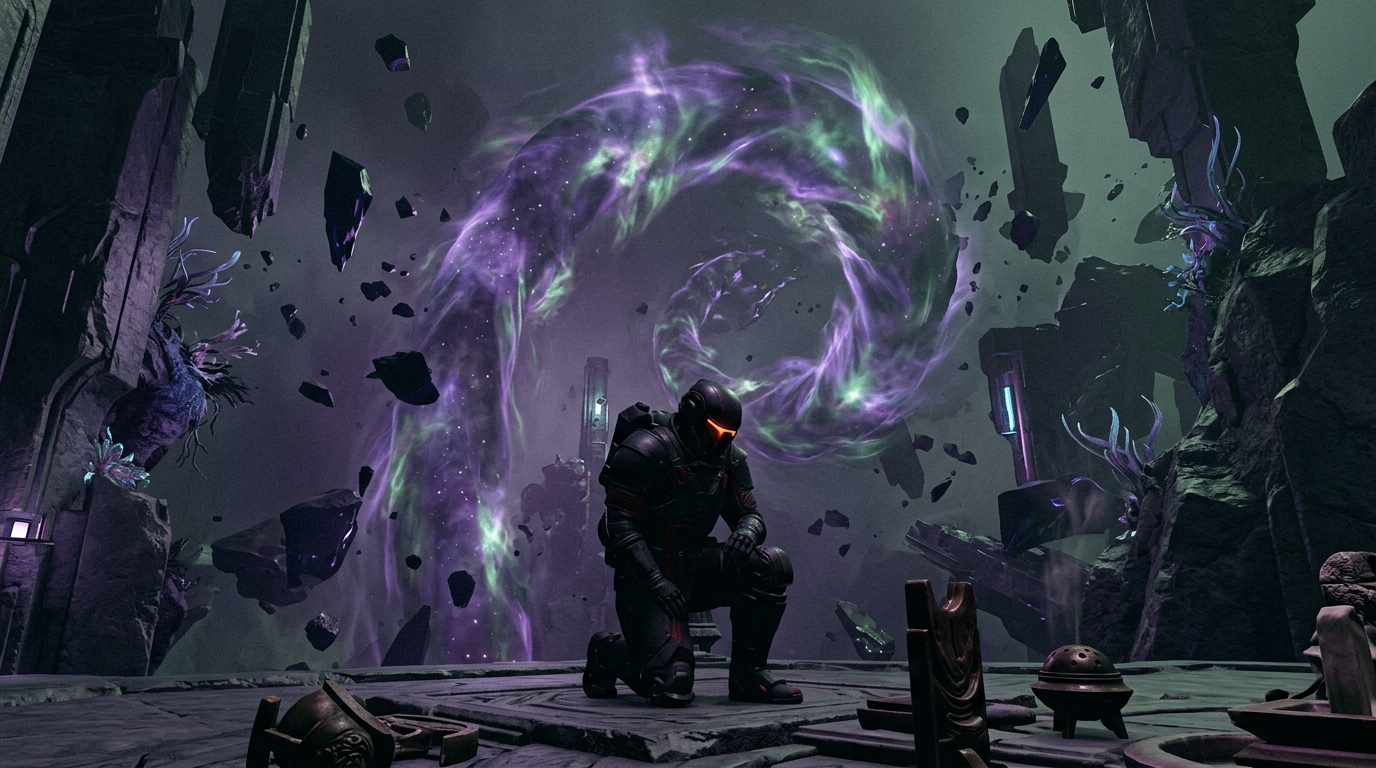
House Varuun was supposed to be the dark, mysterious edge that this universe desperately needed to shake off its sterile, NASA-punk aesthetic. Instead of a deep dive into a terrifying cosmic cult, I mostly get a condensed tour of Dazra that feels like a greatest hits collection of standard tropes. You will spend your eight hours running errands for bickering council members, proving your worth through basic trials, and listening to NPCs drone on about the Great Serpent like they are reading from a dry lore textbook. The handcrafted nature of Varuunkai is a massive step up from the soul-crushing boredom of procedural generation, but the narrative stakes never quite reach the heights promised by the spooky atmosphere.
The questline itself struggles to decide if it wants to be a philosophical exploration of faith or just another shooting gallery filled with glowing blue phantoms. While the verticality of the new map is refreshing, the actual mission design feels like it was pulled straight out of 2011, complete with the standard go here and flip three switches routine. You are constantly told how dangerous and secretive this society is, yet they let you run the show after about twenty minutes of basic competence. It is a classic case of the game telling you something is epic while showing you something that feels remarkably like a chore list.
If you were hoping Shattered Space would fundamentally fix the bloat of the base game, it is more of a side-step than a leap forward. The atmosphere is thick enough to chew on, and the lack of constant fast-traveling between planets makes the world feel much more cohesive and intentional. However, once the novelty of the purple sky wears off, you are left with a story that plays it incredibly safe despite the cultist window dressing. It is worth a playthrough if you already enjoy the core loop, but do not expect the Great Serpent to offer anything more than a slightly more focused version of the same old formula.
Vortex Grenades And Phantom Combat Fatigue
Shattered Space introduces the Vortex Grenade, which acts as a flashy gravity well designed to make you feel like a space wizard, but the novelty wears off faster than a cheap battery. While it is satisfying to watch a group of zealots get sucked into a swirling purple void, the actual tactical depth it adds to the encounter is minimal at best. You are still fundamentally playing the same game of hide and seek behind waist high crates, just with a slightly more expensive set of fireworks. It feels like the developers tried to mask the aging gunplay with a coat of cosmic paint rather than fixing the underlying clunkiness. If you were hoping for a total combat overhaul that justifies the premium entry fee, you might find yourself underwhelmed by what is essentially a reskinned tactical tool.
The new Phantom enemies are supposed to be the terrifying highlight of Varuunkai, yet they often devolve into the same bullet sponges we have been fighting since the base game launched. They teleport around the battlefield with a spooky blur effect that looks great in screenshots, but in practice, it just means you are spinning in circles waiting for a health bar to reappear. It is a classic case of visual flair over mechanical substance, where the difficulty comes from chasing a flickering target rather than engaging with a smart AI. You will burn through your ammo reserves just as quickly as before, only now you are doing it against enemies that have a frustrating habit of vanishing mid magazine.
Ultimately, the gear and enemy variety in this expansion feel more like a modest patch than a transformative leap forward for the franchise. The new weapons look sleek and fit the House Varuun aesthetic perfectly, but they do not change the fact that you are still clicking on heads until a number stops popping up. It is hard to shake the feeling that we are paying a premium for content that should have been used to flesh out the barren planets of the original release. While the handcrafted environment of the capital city provides a better backdrop for these skirmishes, the actual loop of shooting and looting remains largely untouched. If you were already bored of the combat rhythm in the Settled Systems, a few purple grenades and some teleporting ghosts probably won’t be enough to win you over.
Handcrafted Horrors Beat Procedural Boredom
Ultimately, Shattered Space is a decent slice of DLC that manages to fix the biggest headache of the base game by actually staying in one place. By ditching the endless fast-traveling between procedurally generated dirt balls in favor of a handcrafted map on Varuunkai, the team finally remembered that exploration works best when there is actually something worth looking at. The atmosphere is thick, the cosmic horror vibes are a welcome change of pace, and the self-contained story feels much more focused than the sprawling mess of the original campaign. It is a solid expansion for anyone who enjoyed the core mechanics but hated the constant loading screens, providing a much tighter loop of combat and discovery.
However, if you were hoping this expansion would fundamentally rewrite the DNA of the experience, you might want to save your credits for a rainy day. While the handcrafted environment is a massive step up, the actual gameplay still relies on the same floaty combat and inventory management that made some players bounce off the game back in 2023. It feels like a high-quality quest mod with a professional budget, which is great for fans but likely won’t convert the skeptics who have already moved on to other galaxies. If you are a die-hard fan, you will find plenty to love in the shadows of House Varuun, but everyone else can probably keep their ship in the hangar without missing out on a total shift in direction.
The final verdict comes down to whether you want more of a good thing or if you were expecting a total engine overhaul. Shattered Space is a confident, moody addition that proves the studio still knows how to build a world with personality when they aren’t relying on an algorithm to do the heavy lifting. It does not reinvent the wheel, but it does give that wheel a much-needed alignment and a shiny new coat of paint. If you are craving a reason to jump back into the cockpit, this is a worthy excuse to fire up the grav drive, just do not expect it to be a completely different game.
Frequently Asked Questions
1. Is Shattered Space actually better than the base game?
It is a massive improvement because the developers finally stopped relying on an overworked algorithm to build their worlds. By ditching the empty procedural voids for a handcrafted moon, they replaced the soul-crushing boredom with actual personality and intent. It is the apology we deserved for the thousand-planet marketing fluff.
2. Do I need to be a certain level to start the expansion?
You need to be at least Level 35 before you go answering the distress call from the Oracle. If you try to jump in sooner, the cosmic anomalies and space cultists will likely turn you into stardust before you can even see the neon lights of Dazra. Pack your best gear because Varuunkai does not play nice with underleveled tourists.
3. What is the vibe of the new planet, Varuunkai?
Think moody, dark, and drenched in neon, which is a glorious departure from the dry-erase board aesthetic of the original planets. Dazra feels lived-in and dangerous, offering a dense atmosphere that actually rewards you for exploring on foot. It is less about scanning moss and more about uncovering the secrets of a cult that clearly needs better hobbies.
4. Does this DLC fix the problem of recycled outposts?
Yes, because the entire experience is contained on a single, unique map rather than being scattered across a galaxy of copy-paste labs. You can actually walk toward a glowing spire on the horizon and find a unique story beat instead of the same three pirates you have already killed a hundred times. It is quality over quantity, which is a trade-off I will take any day.
5. Is the expansion worth it if I hated the thousand planets gimmick?
The thousand planets gimmick is dead and buried here, replaced by a focused narrative approach that feels like a real RPG. If your main gripe was spending half your life holding the sprint button across gray rocks, you will appreciate the handcrafted terrain. It is a bold pivot that proves the team still remembers how to design a world with a plan.
6. Is there any downside to the single-planet focus?
The only real catch is a lingering sense of claustrophobia for players who actually enjoyed the infinite, empty scale of the original game. While the terrain is infinitely more interesting, you might feel a bit caged if you are used to jumping systems every five minutes. However, most people will find that unique locations and actual content beats a vast, empty void every time.