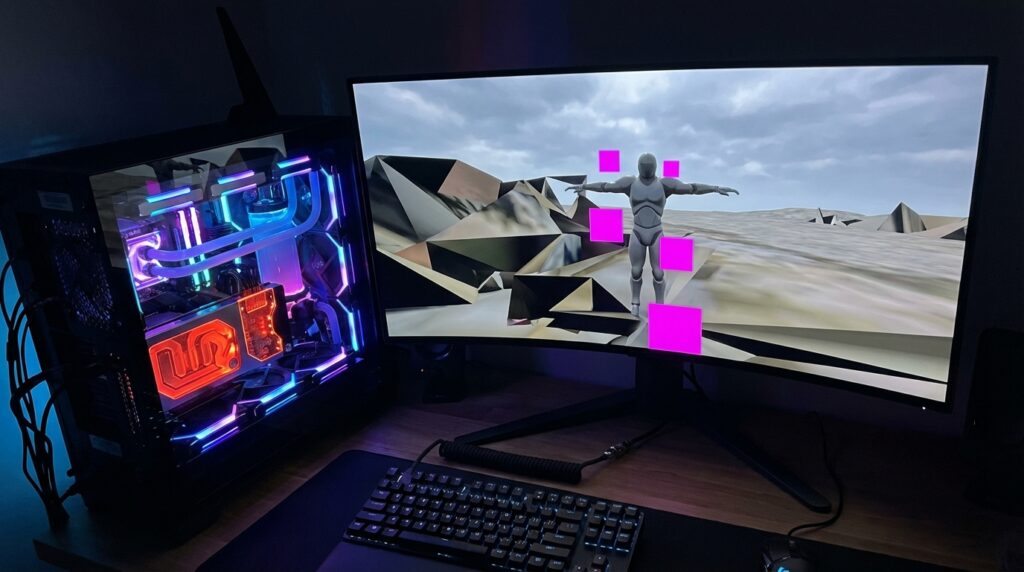

I remember when video games were something you did to avoid responsibility, not a second career path requiring a spreadsheet and a rigid schedule. Somewhere along the line, the industry decided that fun was a metric best optimized by turning every login into a daily chore list. It is honestly exhausting trying to maintain a respectable rank in one shooter while grinding a battle pass in another and farming materials in a third. We saw over a hundred highly-rated live-service titles drop in 2025 alone, and every single one of them acts like it is the only game installed on your drive. Developers seem to think we have infinite free time. The reality is most of us can barely juggle two of these time vampires before our brains melt.
Logging in shouldn’t feel like you are frantically trying to clear your inbox before a deadline, yet here we are sweating over limited-time events. The fear of missing out has been weaponized so effectively that skipping a single season feels like falling off the face of the earth. New updates used to be exciting reasons to return. Now they just feel like a pile of homework assignments dumped on your desk at 5 PM on a Friday. You look at the roadmap for the next six months and realize your hobby is actually just a subscription service for anxiety. It is no wonder players are burning out when the reward for loyalty is just another demand for your undivided soul.
The Delusion of Infinite Player Retention
Somewhere in a glass-walled conference room, a whiteboard suggests that the average human day actually contains seventy-two hours. Publishers seem convinced that we are all unemployed vampire billionaires with infinite free time and a burning desire to grind battle passes until our eyes bleed. They look at the success of the industry giants and decide that if they just copy the homework, we will happily dedicate another forty hours a week to their generic clone. The math simply does not work when every single executive expects their game to be the only one you play for the next decade. It is genuinely insulting that they treat our free time like an infinitely renewable resource rather than the precious, fleeting commodity it actually is.
We are staring down the barrel of over a hundred well-reviewed live service titles released in 2025 alone, and most of them are already ghost towns. It does not matter if your hero shooter has a decent Metacritic score if the entire potential audience is already held hostage by their sunk cost fallacy in another game. Gamers realistically have the bandwidth for maybe two “forever games” at a time before their spouses file for divorce or their hygiene completely collapses. Yet the industry keeps churning out these engagement traps, demanding daily logins and weekly rituals as if we do not have actual jobs to pay for the skins they want to sell us. The market is not just saturated. It is drowning in a sea of desperate roadmaps and promised content that will likely never see the light of day.
Weaponized FOMO and Daily Login Chores
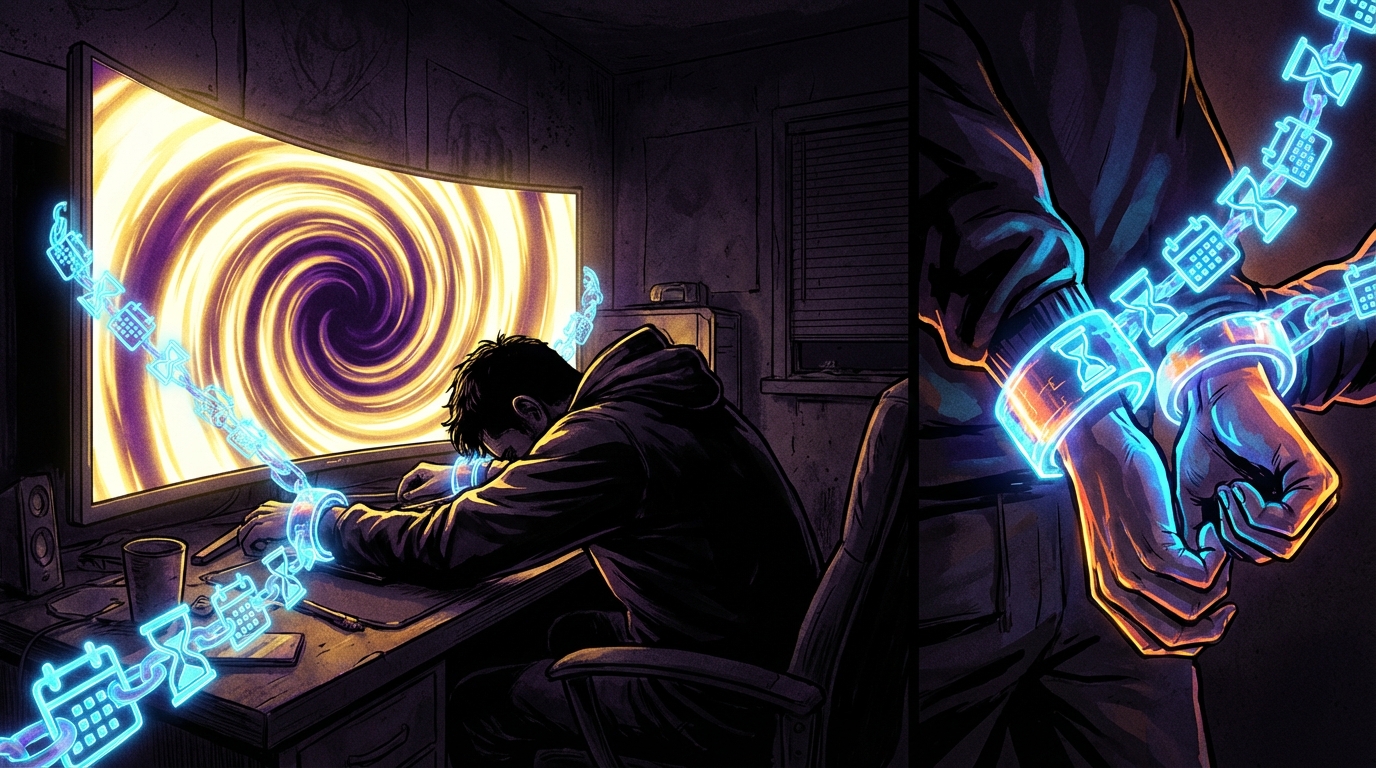
Major studios stopped hiring game designers and started hiring psychologists to figure out exactly how to hijack our dopamine receptors. They realized that terrifying us with the prospect of missing a limited-time skin is significantly more profitable than simply making a game fun to play. Now, instead of logging in because I genuinely want to shoot aliens, I log in because a bright red countdown timer is effectively holding a gun to my head. It creates a toxic anxiety where taking a weekend off feels like a punishment rather than a healthy choice. We aren’t really players anymore. We are just engagement metrics actively being farmed to keep shareholders happy.
My gaming sessions used to be about escapism, but now they look suspiciously like a second job I never applied for. I boot up a title only to be greeted by a laundry list of daily challenges that demand I collect ten magical rocks or kill five specific goblins before the server resets. It turns what should be a thrill ride into a mundane checklist of janitorial duties that I absolutely resent completing. With over 120 high-profile live-service games dropping in 2025 alone, expecting anyone to maintain this level of commitment across multiple titles is mathematically impossible. If I wanted to do repetitive tasks for a fake digital currency, I would just go back to my actual 9-to-5.
Battle Pass Fatigue and Wallet Drain
Publishers convinced us that paying ten bucks for the privilege of working a second job was a good deal. We used to unlock cool armor by actually being good at the game, but now credit cards serve as the ultimate skill check. It is baffling that I have to buy a Battle Pass and then log in every single day just to scrape enough XP to get the skin I actually wanted. If I miss a week because of annoying distractions like real life or sleeping, that money effectively vanishes into the digital void. This creates a hostage situation where I am playing not because I am having fun, but because I am terrified of wasting my initial investment.
Seeing another neon-soaked progression bar fill up by a microscopic pixel makes me want to throw my wallet into the nearest river. Developers have weaponized our lizard brains with flashing lights and dinging sounds to disguise the fact that we are just running on a hamster wheel. With over 120 high-rated live-service titles dropping in 2025 alone, the industry seems to think we all have infinite time and disposable income. Every single menu is a chaotic mess of exclamation marks screaming at you to claim rewards for tasks you do not remember doing. It creates a heavy sense of obligation that turns your relaxation time into a checklist of chores that you happen to pay a monthly fee to perform.
The Roadmap Apology Tour Cycle
We have all memorized the script for a modern AAA launch by now, and it is absolutely exhausting. You drop seventy bucks on a title that runs like a slideshow and crashes if you look at a texture wrong. Within forty-eight hours, the official Twitter account posts that inevitable solemn block of text on a black background apologizing for the mess. They promise that they are listening to feedback, which is just corporate speak for admitting they shipped a beta to meet a fiscal deadline. It is the walk of shame. But instead of sneaking out quietly, they are asking you to buy a battle pass while they fix the floorboards.
Once the apology tour concludes, we get hit with the roadmap that tries to frame basic competency as exciting new content. Developers will proudly announce that a scoreboard or voice chat is coming in Season Two as if basic functionality is a generous gift from the gods. This isn’t a live service. It is just an installment plan for a game you already paid for in full. We are drowning in over 120 high-scoring live service titles released in 2025 alone, yet publishers still think we have the patience to wait six months for the rest of the product. If your launch roadmap looks like a list of patch notes, you do not have a content plan. You have a ransom note.
This “release now, fix later” mentality is the fastest way to turn player fatigue into total apathy. Gamers have limited time and even less patience, so asking us to stick around while you finish development is a losing bet. Most of us are already juggling two other service games that actually function, so we will not hesitate to uninstall your broken mess to clear drive space. The industry needs to realize that a roadmap is not a shield against criticism or a substitute for a finished product. When every new season feels like a chore rather than an event, the only roadmap I am interested in is the one leading to the refund button.
Innovation Death via Trend Chasing
Major publishers decided that making a unique game was too risky and instead bet the farm on chasing the exact same pot of gold. We are currently drowning in a sea of neon-colored hero shooters and extraction royales that feel like they were designed by a committee of spreadsheets rather than human beings. The industry saw Fortnite print enough money to buy a small country and immediately pivoted to cloning it until the market choked on its own greed. Now we have over a hundred “polished” live-service titles launching in a single year, and most of them are doomed to shut down their servers before you even finish the tutorial. It is not innovation when you just slap a battle pass on a half-baked concept and pray for the whales to show up.
The tragic reality is that nobody actually asked for a dozen slightly different versions of the same loot-grinding hamster wheel. Gamers only have enough free time to commit to one or maybe two of these lifestyle games before their actual lives start falling apart. When every new release demands you log in daily to complete chores for ephemeral digital pants, the whole hobby starts feeling less like fun and more like an unpaid internship. We are seeing perfectly good studios waste years of development time building generic platforms that nobody has the bandwidth to play. It turns out that fragmenting the player base across a glut of desperate copycats is a fantastic way to ensure none of them survive the winter.
This relentless pursuit of the “forever game” has destroyed the simple satisfaction of actually finishing something. I miss the days when a developer respected my time enough to tell a complete story and then politely showed me the door. There is a distinct kind of misery found in staring at a roadmap that promises five more years of content when you are already bored today. We need to stop normalizing the idea that a game is a failure just because it does not hold your attention for a decade. I am ready to reclaim the joy of uninstalling a game because I beat it, rather than because I just couldn’t take the grind anymore.
Stop Expecting Us To Marry Your Game
We have officially reached the point where too much of a good thing is actually just annoying. In 2025 alone, over 120 live-service games scored an 80 or higher on Metacritic, yet most of them are already ghost towns because nobody has forty-eight hours in a day. Publishers seem to think we all have infinite wallets and zero need for sleep, continuously pumping out “forever games” that demand absolute monogamy from their player base. You cannot expect us to juggle five different battle passes without eventually dropping the ball and going back to single-player RPGs out of spite. It does not matter how high the review scores are if the game requires a second mortgage and a calendar invite just to log in.
The industry needs to realize that turning leisure time into a second job is a terrible business model. Logging in to complete daily challenges or grind through a limited-time event does not feel like fun anymore. It feels like checking boxes on a chore list. When every new season brings a fresh wave of FOMO mechanics designed to panic you into playing, the natural reaction is to uninstall everything and touch grass. Developers are holding content hostage behind engagement metrics, hoping we will not notice that the “excitement” is actually just anxiety in a fancy hat. If your game requires me to schedule my life around its update roadmap, I am going to schedule a breakup with it instead.
Unless these companies figure out how to respect our time, the live service bubble is going to pop louder than a cheap loot box. Most of us only have the mental bandwidth for one or two main games, leaving the other hundred hopeful contenders fighting over scraps. The future of gaming should not look like a subscription service for anxiety where you pay monthly fees to feel behind on progress. It is time for the industry to pivot back to making complete experiences rather than endless treadmills disguised as entertainment. We are tired of the grind, so fix the loop or watch us walk away for good.