We’ve all been there: you load into a match expecting a tactical masterclass, only to be greeted by a teammate who thinks their open mic and a bag of crunchy chips is a gift to the world. Modern co-op gaming etiquette has evolved from a few unwritten rules into a full-blown survival guide. If you aren’t following the basic social contract, you aren’t just a bad player; you’re a digital anchor dragging the rest of us into the abyss.
High-quality cooperation exists on a spectrum, but whether you’re chilling in a cozy farm sim or sweating through a high-stakes raid, the pillars remain the same. It starts with a simple greeting to prove you aren’t a sentient bot and ends with keeping your voice chat concise instead of narrating your entire life story. Being a decent human being shouldn’t be a hidden achievement, but in many lobbies, it’s the rarest loot you can find.
Key Takeaways
-
Prioritize the collective success of the group by sharing essential resources and checking teammates’ status bars before looting high-tier gear or medical supplies.
-
Respect the narrative experience of new players by allowing cinematics and story beats to play out in full during first-time playthroughs.
-
Maintain clear and professional communication by using push-to-talk and keeping voice chat limited to concise, tactical information.
-
Support less experienced teammates by providing a safety net and matching the group’s pace rather than micro-managing their playstyle or rushing ahead.
Stop Snatching Everything Like A Loot Goblin
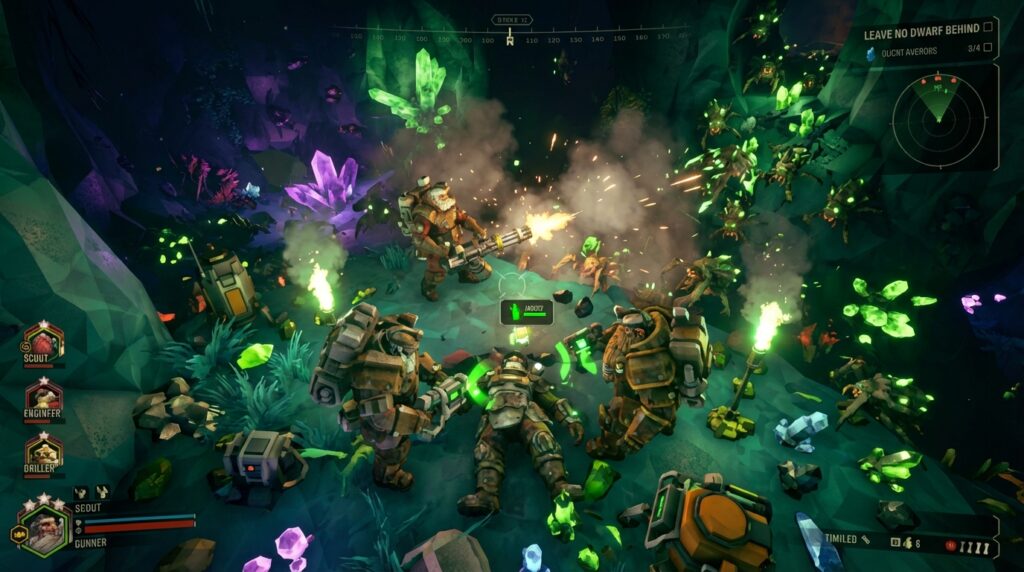
We have all played with that one person who treats a cooperative mission like a solo shopping spree at the end of the world. You are limping behind with five percent health and a starter pistol that sounds like a stapler, while your teammate vacuums up every legendary drop and medkit in sight. It is a special kind of social tone-deafness to watch a comrade bleed out while you stuff your pockets with ammo you do not even have a gun for yet. True success relies on the concept of looking at your teammates’ status bars before hitting the interact button. If you are at full shields and your buddy is one stiff breeze away from a respawn screen, leave the shiny floor candy for them.
The loot goblin mentality is the fastest way to turn a fun Saturday night session into a silent resentment simulator. There is no faster way to kill the vibe than seeing a “Need Health” ping ignored by someone who just shoved three stimpacks into an already overflowing inventory. High-quality cooperation is a spectrum, but hoarding resources like a dragon with a hoarding disorder puts you firmly on the “uninstalled” end of that list. A well-timed gift of a rare weapon or a spare shield battery does more for team morale than any tactical voice command ever could. Remember that you are playing a co-op game, which generally implies that you actually need your team to be alive to win.
Stop pretending that your character’s backpack has a black hole inside that justifies grabbing every purple-tier item on the map. It is not just about the loot, it is about the blatant disregard for the collective success of the group in favor of a slightly higher DPS number for yourself. If you want to play a game where everything belongs to you, there are plenty of single-player RPGs that will indulge your greed without making real people hate you. Good etiquette is simple, so just be the person who pings the high-tier gear for the underdog instead of the one who sprints ahead to snatch it. Nobody remembers the guy who had the best gear, they remember the guy who kept the squad from wiping.
Respect The Cinematic Sanctity Of First Playthroughs

There is a special circle of hell reserved for the speedrunners who treat a fresh story campaign like a frantic shift at a fast food window. We have all been there, sitting on the edge of our seats as a high-stakes cinematic begins to unfold, only for the screen to turn black because some impatient player mashed the skip button. It is the digital equivalent of someone ripping the final chapter out of a book while you are still reading the prologue. If it is your fifth time running a dungeon for gear, by all means, bypass the chatter, but doing this during a friend’s first playthrough is a cardinal sin of co-op. You are not saving time, you are actively mugging your teammates of the emotional payoff they actually paid for.
The irony is that these dialogue skippers are usually the same people who complain on forums three hours later about the plot making no sense. You cannot expect to feel the weight of a betrayal or the triumph of a hard-fought victory if you spent every narrative beat staring at a loading screen. Co-op gaming is supposed to be a shared experience, not a race to see who can reach the end credits with the least amount of context possible. If you have already seen the twists, sit back, grab a snack, and let your buddies enjoy the show. Your legendary gear grind can wait five minutes while the rest of the squad actually learns why they are fighting the giant space dragon in the first place.
Respecting the cinematic sanctity of a first run is about basic social awareness rather than just following a rulebook. When you join a session, you are entering a basic social contract to experience the game at the pace of the least experienced player, not your personal best speed. Taking a moment to appreciate the voice acting and world-building is part of the fun, and rushing past it just makes you the annoying guy at the movie theater who keeps checking his watch. If your internal clock is ticking that loudly, go play a solo time trial or find a group of fellow skips. Otherwise, keep your hands off the escape key and let the story breathe for the people who are actually here to play a game, not just check a box.
Tactical Communication Versus Open Mic Heavy Breathing
There is a special circle of hell reserved for people who treat their open microphone like a personal ASMR channel for the rest of the squad. We are trying to coordinate a high-stakes extraction, but instead of hearing enemy positions, I am treated to the rhythmic thumping of your mechanical keyboard and your roommate having a heated argument about the laundry. Tactical communication is the lifeblood of a successful co-op run, yet some of you treat the push-to-talk button like a paid DLC you refuse to purchase. If your microphone is sensitive enough to pick up the neighbor’s lawnmower, you are not a teammate, you are a localized noise disturbance. Keep the comms clear so we can actually hear the game audio instead of your heavy breathing and the crinkle of a family-sized bag of chips.
A solid “GG” or a quick greeting goes a long way toward building rapport, but nobody signed up for a podcast featuring your mom vacuuming in the background. Effective callouts should be short, punchy, and actually useful, rather than a stream-of-consciousness narration of every button you press. When the chat log is cluttered with irrelevant nonsense or your mic is broadcasting a feedback loop from your speakers, you are actively sabotaging the team’s success. It is a simple trade-off where you mute your background chaos and, in exchange, we actually win the match without developing a migraine. Good etiquette means acknowledging that your ears aren’t the only ones on the line, so wrap up the heavy breathing and focus on the objective.
Carry Your Weight Without Being A Sweat
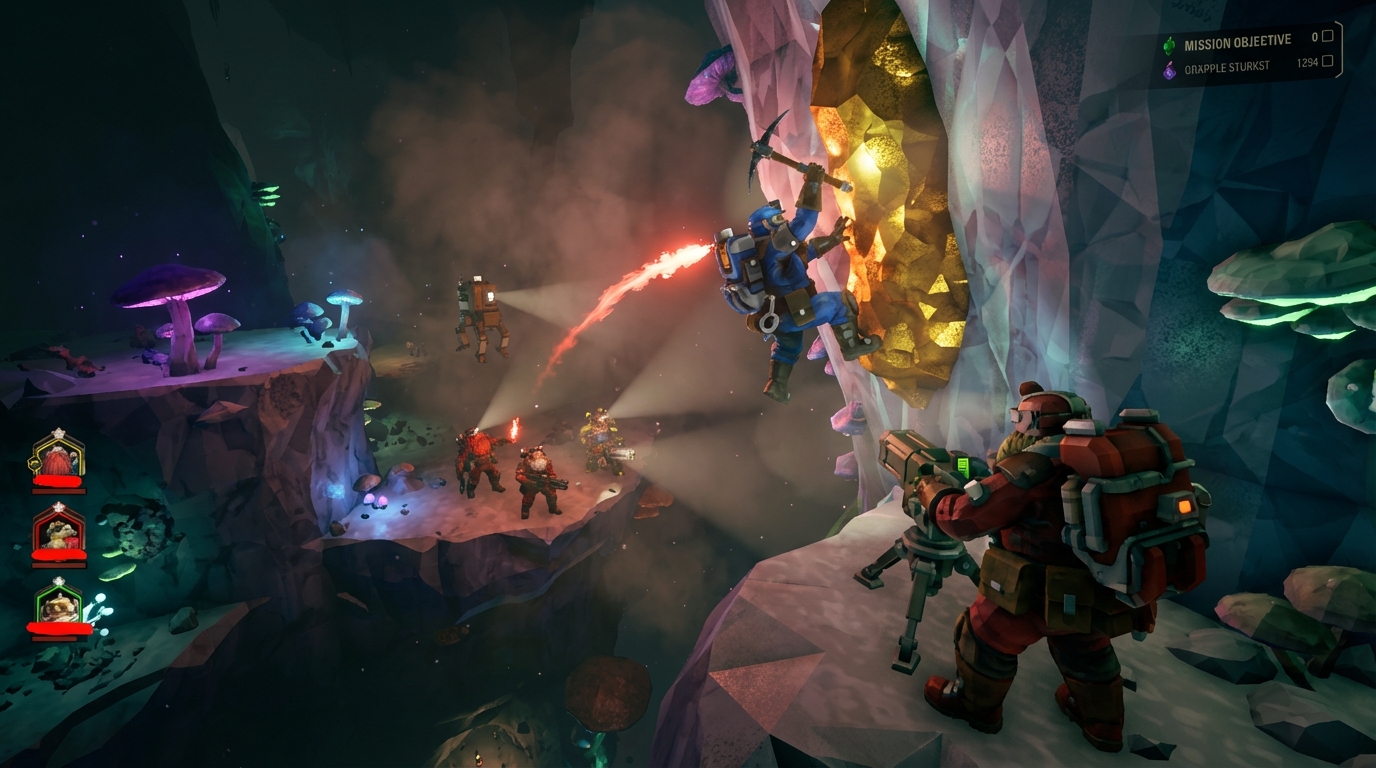
Dropping a legendary sword for a level five player feels like playing Santa Claus, but there is a fine line between being a benefactor and being a total buzzkill. You want to help your friends survive the first boss, not play the entire game for them while they watch from the sidelines. If you spend the whole session barking orders about optimal stat spreads and frame data, you are basically a middle manager with a headset. Let them make mistakes, equip the “wrong” gear, and fall off a cliff once or twice. The goal is to foster a sense of fun, not to turn a casual Friday night into a mandatory corporate training seminar on efficiency.
Being a high-level carry is about providing a safety net, not a golden cage of micro-management. I have seen too many pros ruin the magic of a first playthrough by skipping every cutscene and sprinting to the end of the map while the newbie is still figuring out which button jumps. It is physically painful to watch a loot goblin vacuum up every chest before a teammate can even see the sparkle, so leave some scraps for the person actually trying to learn. True etiquette means matching the energy of the group rather than forcing everyone to keep up with your three hundred hours of muscle memory. If you really want to be a hero, provide the buffs and the backup heals while letting the fresh meat take the final swing.
Don’t Be the Teammate Everyone Mutes
Being a decent teammate isn’t about having a perfect K/D ratio or the flashiest gear, but about not being the person everyone muted five minutes into the session. We have all dealt with the loot goblin who vacuum-cleans every chest while you are busy bleeding out, or the speedrunner who skips the cinematic during your very first playthrough because they have seen it a dozen times. These players are the reason the “Block” button exists, and they are usually the ones wondering why their friends list looks like a ghost town. If you want people to actually hit that rematch button, you need to realize that your teammates are actual humans, not just NPCs designed to carry your heavy lifting.
Modern co-op is a social contract that requires you to read the room before you start spraying and praying or barking orders. A simple greeting goes a long way toward building rapport, while hogging the microphone for your personal podcast is a one-way ticket to being kicked from the lobby. It is about finding that sweet spot between tactical communication and just being a chill person to hang out with. If you can manage to share the health packs and let the newbie enjoy the story beats, you will find that the game becomes infinitely more rewarding for everyone involved. Good etiquette is the only thing standing between a legendary gaming session and a frustrating waste of hard drive space.
Frequently Asked Questions
1. What is the absolute first thing I should do when joining a lobby?
Don’t be a digital ghost. Send a quick greeting or a simple ‘hello’ in chat to prove you aren’t a broken bot or a mindless drone. It sets the tone for the match and lets your team know you actually have a pulse.
2. How do I handle loot without becoming a social pariah?
Check your teammates’ health bars before you vacuum up every medkit on the floor. If you are topped off and your buddy is bleeding out, leaving the supplies for them isn’t charity, it’s basic survival. Hoarding items you don’t need is the fastest way to turn your team against you.
3. Is it okay to leave my microphone on ‘Open Mic’ mode?
Absolutely not, unless you want the entire lobby to hear your heavy breathing and your dog’s existential crisis. Use push-to-talk so we don’t have to listen to you crunching on chips or your mom vacuuming in the background. Your life story belongs in a journal, not the team comms.
4. How should I handle tactical callouts?
Keep it short, punchy, and relevant. Nobody needs a play-by-play narration of your every move while they are trying to focus. Call out the essentials, shut up, and let the team play without your voice acting as an extra obstacle.
5. What should I do if a teammate is clearly struggling with the game?
Check your ego and offer a hand instead of just sprinting ahead to the exit. A team is only as fast as its slowest member, and leaving them to die just makes the mission harder for you in the long run. Being a decent human isn’t a hidden achievement, so try acting like one.
6. Why does gaming etiquette even matter in a virtual world?
Because playing with a selfish, loudmouthed anchor is a miserable experience that ruins the game for everyone involved. Following the social contract turns a chaotic mess into a tactical success. If you want to find the best couch co-op games to play with friends, remember that being a good teammate is the first step to having a great time. If you can’t be a good teammate, you might as well uninstall and go play solitaire.
Understanding why we suffer for loot in high-stakes environments can help you appreciate why your teammates get so frustrated when you ignore the basic rules of cooperation.