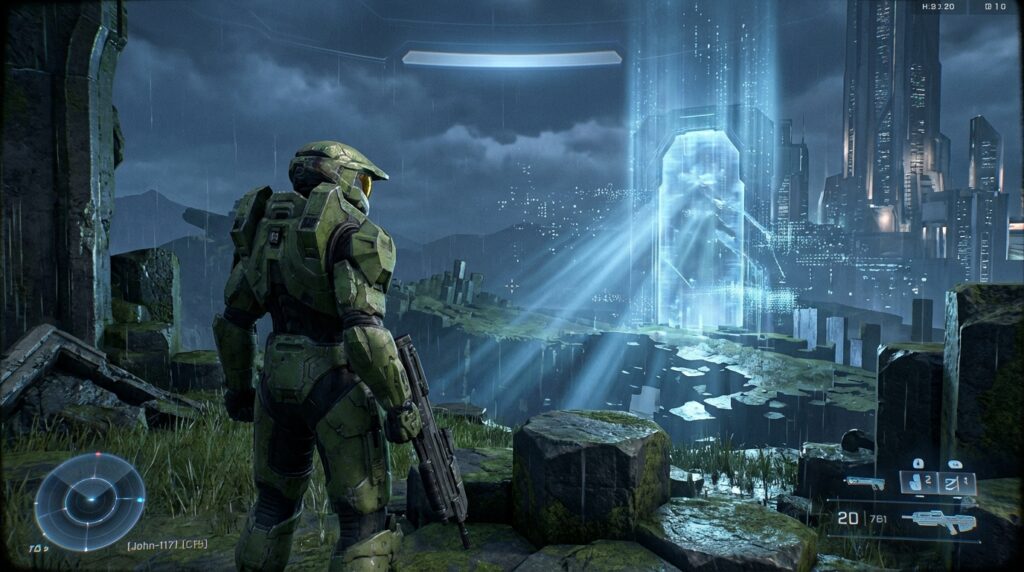
After four years of grappling with a live-service model that felt more like a live-struggle, the halo infinite future has finally hit its inevitable destination: the retirement home. The developers have officially pulled the plug on major updates, leaving Master Chief to drift in the maintenance-mode void while they scramble to build something new on a different engine. It is the gaming equivalent of a project lead finally admitting the ship is sinking and handing out life jackets instead of more buckets.
Let us be real, we all saw this coming when seasons started feeling like glorified hats for sale rather than actual game expansions. While the servers are not going dark just yet, the dream of Infinite being a ten-year platform is officially dead and buried. It is a blunt end to a rocky era, but at least we can stop pretending that one more Forge update was going to fix the fundamental identity crisis.
Key Takeaways
- Halo Infinite has officially entered maintenance mode, ending the ambition of a ten-year live-service platform in favor of a skeleton crew focused on server stability rather than new content.
- The studio is pivoting to Unreal Engine for future projects to eliminate the technical debt and restrictive tools of the previous engine that caused chronic content droughts.
- Operation Infinite serves as the final major update, signaling a shift in resources toward the next generation of the franchise and the abandonment of significant sandbox expansions.
- The failure of Infinite’s live-service model highlights a critical industry lesson: a solid gameplay core cannot sustain a player base without consistent, meaningful content and technical stability.
Operation Infinite And The Maintenance Mode Reality
Operation Infinite is the shiny, final bow being tied around a package that has been fraying at the edges since 2021. The studio can call it a celebratory milestone all they want, but we all know that maintenance mode is just corporate speak for the digital nursing home. When a live service game stops receiving sandbox additions and major feature overhauls, the pulse officially stops. It is a classic move to pivot the entire team to the next project while leaving a skeleton crew to keep the lights on and the servers humming. We have seen this cycle repeat across the industry, and it always starts with a polite press release about future horizons.
The reality of this shift is a bitter pill for anyone who stuck through the lean years of content droughts and broken promises. You do not put your flagship title out to pasture unless you have realized that fixing the foundation is more expensive than just building a new house. While the game will technically remain playable, the lack of fresh seasons means the community is essentially running on a digital treadmill that leads nowhere. It is the ultimate white flag from a studio that struggled to find its footing with the live service model from day one. Expecting players to stay engaged without a roadmap is like asking guests to stay at a party after the music stops and the host starts vacuuming.
Moving to Unreal Engine for the next generation is a smart play, but it does nothing for the players who spent years investing time into Infinite. This transition marks the end of an era where the franchise tried to be a ten-year platform and failed to make it past the four year mark. We are left with a sandbox that is finally fun to play just as the developers are losing interest in expanding it. It is a cynical conclusion to a saga that promised the world and delivered a steady stream of cosmetic bundles instead. If you are still looking for a reason to keep this installed, you might want to start looking toward the next horizon because this one just went dark.
The Unreal Engine Pivot And The Studio Shift
Let us be honest, the previous engine was less of a cutting edge powerhouse and more of a collection of digital duct tape and prayer. We were promised a ten year journey, but it felt like the developers spent half that time just trying to get the UI to stop eating itself every time they added a new helmet. You cannot build a sustainable live service when your proprietary tools are so hostile that adding a single map takes a small miracle and six months of overtime. It was a technical anchor dragging behind one of the most iconic franchises in history, and frankly, it is a relief to see it finally cut loose.
The pivot to Unreal Engine is the digital equivalent of the studio finally admitting they were trying to win a Formula 1 race in a minivan. By moving to an industry standard, they are ditching the “UI does not support that” excuses and actually giving themselves a fighting chance to release content before the player base hits retirement age. It means more developers can actually hit the ground running without needing a PhD in specific brand of technical debt. This is not just a software swap, it is a desperate but necessary survival tactic to ensure the next game does not launch with the same hollow, unfinished thud we experienced in 2021.
The future of the series depends entirely on whether the studio can trade its clunky past for a different engine and framework that actually works. We have spent years watching other shooters lap this franchise in terms of seasonal updates and technical stability while we waited for basic features like Forge and Firefight. Maintenance mode for Infinite is the mercy killing this game needed so the team can stop fighting their own shadows and start building something that does not break every time someone sneezes. If Unreal Engine cannot save the Master Chief from the cycle of mediocre launches and content droughts, then nothing can.
Live Service Lessons From The Infinite Era
Halo Infinite was supposed to be the ten year platform that secured the franchise legacy, but instead it became a masterclass in how to starve a player base. We spent months wandering through a content desert, waiting for basic features like Forge and Firefight that should have been there on day one. By the time the game actually felt finished, most of the community had already moved on to literally anything else. It turns out that a solid core gameplay loop can only carry you so far when the shop updates are more frequent than the actual map additions.
The recent rebranding of the studio needs to be more than just a fresh coat of paint on the office walls. If the next game launches with another “bare bones” excuse followed by years of apologies, I am officially retiring my Spartan helmet. We need a developer that understands a live service is a commitment, not a suggestion, and that means launching with a robust suite of modes. The industry standard for retention has moved past the point where we will accept drip fed nostalgia as a substitute for actual innovation or consistent support.
Future titles must abandon the obsession with overly complicated tech stacks that make simple updates take an eternity. I want to see a launch that feels like a celebration rather than a public beta test that we are expected to fund. The studio has to prove they can actually manage a sandbox without breaking it every time they try to add a new shoulder pad. If they cannot figure out how to keep the momentum going from the first week, they might as well just put the Chief into permanent cryosleep.
Maintenance Mode for a Masterpiece Misfire
Ultimately, the verdict on Halo Infinite is as blunt as a Gravity Hammer to the face. With the studio officially waving the white flag and moving into maintenance mode, the dream of a ten year live service journey has collapsed into a pile of missed deadlines and empty promises. You can still find a match, sure, but you are essentially walking through a digital museum of what could have been. If you are a diehard fan who lives for the Forge or the occasional weekend firefight, keep it installed, but for everyone else, that hundred gigabytes is starting to look like a very expensive paperweight.
The industry has a nasty habit of overpromising the world and delivering a half finished sandbox, and Infinite is the poster child for this specific brand of disappointment. We were promised a constant stream of content, yet we ended up waiting years for basic features that should have been there on day one. It is time to stop making excuses for premier franchises that cannot keep up with the basic demands of a modern shooter. As Microsoft shifts its strategy, it seems the Game Pass gold rush is over for those expecting endless high-quality updates for a single subscription fee.
Moving on does not mean you hate the franchise, it just means you have enough self respect to stop waiting for a party that ended before it even started. The next generation of the series is already on the horizon, built on new engines and hopefully better management, so there is no point in lingering in a ghost town. Delete the game, breathe a sigh of relief, and wait for the studio to prove they can actually handle the mantle of responsibility next time around. The king of shooters deserves better than a slow fade into irrelevance, and so do you.
Frequently Asked Questions
1. Is Halo Infinite officially dead?
It is not dead, but it is definitely in a digital nursing home. While the servers stay on, the developers have pulled the plug on major updates and sandbox additions to focus on their next project. Consider this the maintenance mode era where the game exists but stopped growing.
2. What does Operation Infinite actually mean for players?
Operation Infinite is basically the final bow before the developers head for the exits. It marks the end of the road for significant content drops, leaving a skeleton crew behind to keep the lights on. It is a polite way of saying the ten year plan has been cut short.
3. Are we still getting new seasons in Halo Infinite?
The dream of massive seasonal expansions is officially buried. Expect glorified hat sales instead of actual game changing content. If you were waiting for a major feature overhaul to save the day, it is time to lower your expectations to zero.
4. Why is the studio moving to a new engine?
They finally admitted that fixing a broken foundation is more expensive than just building a new house. The previous engine was a nightmare of technical debt and content droughts that they could never quite outrun. Moving on is their only way to stop the bleeding and try something that actually works.
5. Can I still play on the Halo Infinite servers?
Yes, you can still log in and play your matches for the foreseeable future. The game is not going dark yet, it is just drifting in the void without any new tricks up its sleeve. Your digital armor collection is safe, even if the game relevance is fading fast.
6. Was Halo Infinite really supposed to last ten years?
That was the marketing pitch, but reality had other plans for Master Chief. Four years of a live struggle proved that the platform could not sustain itself under the weight of its own identity crisis. The ten year dream is dead, and we are all just waiting for the next reboot.