Game Awards 2026 rumors have yet to produce a credible, specific reveal for the December 10 show. The event is confirmed for Los Angeles’s Peacock Theater, tickets are scheduled to go on sale October 29, and nominees are expected in mid-November. That’s more solid than another suspiciously blurry logo and a thread insisting it means Half-Life 3. The Game Awards’ official announcement confirms those event details.
The clearest game-specific chatter so far is about whether Grand Theft Auto VI could qualify for awards, not whether Rockstar will bring a trailer, announcement, or surprise appearance to Geoff Keighley’s stage. GameSpot’s report describes fan speculation about eligibility, not a confirmed appearance. That distinction matters. Awards talk is not a leak, a game’s release schedule is not a trailer schedule, and a wish list doesn’t become reporting just because it gets reposted. We’ll keep confirmed details, sourced reports, and hopeful guesses in separate buckets. The annual rumor machine can turn any cryptic image into prophecy, so until a credible report names a specific reveal, treat predictions as predictions.
Key Takeaways
- The Game Awards 2026 has no confirmed game reveal or show appearance yet, so blurry logos and reposted wish lists belong in the speculation pile.
- The Game Awards 2026 is scheduled for December 10 at Los Angeles’s Peacock Theater, tickets go on sale October 29, and nominees are expected in mid-November. The Game Awards’ announcement confirms the schedule.
- The GTA VI chatter concerns possible 2026 awards eligibility, not a confirmed Rockstar appearance; the game is scheduled to launch November 19 on PS5 and Xbox Series X|S, with editions priced at $79.99 and $99.99, according to Rockstar’s announcement.
- A credible rumor needs a named source and a specific claim, while official confirmation must verify the exact appearance or announcement rather than merely hint at general news.
Is There A Confirmed Game Awards Reveal?
No. The sources reviewed do not confirm a specific game reveal or show appearance for The Game Awards 2026. That doesn’t mean the show will have nothing to announce. It means there’s no solid basis for presenting a particular title or trailer as confirmed. The rumor mill can keep its corkboard and red string. We’ll keep the labels clear.
A prediction is someone’s guess about what would make a good show. A fan post can spread that guess, but repetition doesn’t turn it into reporting. And a game’s release window being near the event tells us only that the dates are close. It doesn’t confirm a trailer, a stage appearance, or even a mention.
We’ll use three labels to show what kind of claim you’re looking at:
Official announcement means the organizer, publisher, or developer has directly confirmed the specific appearance or news. A game being announced for the show isn’t the same as a company saying it plans to attend. The wording matters, because “new information is coming” doesn’t automatically mean “here comes the sequel everyone has been demanding.”
Sourced reporting means a publication reports a specific claim and explains where its information comes from. That makes the claim worth watching, not settled fact. We’ll distinguish what a report says from what fans infer, and we won’t turn “reportedly in development” into “will debut at The Game Awards” unless the reporting supports that leap.
Unsourced speculation covers predictions, unverified social posts, recycled wish lists, cryptic-image interpretations, and guesses based on release timing. These can be entertaining. Some are even right by accident. But a confident post, a suspiciously convenient date, and a logo that looks a bit like a dragon aren’t substitutes for confirmation.
A claim can change category as new information arrives. A publisher’s direct announcement can settle a question that began as a report; a prediction remains a prediction unless evidence supports it. We’ll label each claim so you can tell whether it’s an official commitment, a report worth tracking, or speculation wearing a fake press badge.
What Are The GTA VI Rumors?

The GTA VI chatter is about whether the game could be eligible for awards in 2026, not whether Rockstar will appear at The Game Awards. GameSpot reported fan speculation about eligibility; it didn’t report a confirmed trailer, announcement, or show appearance. That’s a much smaller claim than “Rockstar is bringing GTA VI to the stage,” even if the bigger version makes a better social post. GTA VI has also won The Game Awards’ Most Anticipated Game award in both 2024 and 2025. Those wins help explain why fans are asking whether GTA VI could enter the awards conversation again. They don’t make a third win inevitable, establish eligibility, or turn a fan theory into a Rockstar announcement. Fans can reasonably wonder whether GTA VI will qualify for awards, and they can predict that Rockstar might use a major broadcast to share news. But those are separate questions, and only the first is the subject of the reported chatter. GameSpot’s report describes fan speculation about eligibility, not evidence of a 2026 show appearance. The award conversation may be loud; the stage-reveal claim still needs evidence.
What Could Xbox And PlayStation Show?
Xbox and PlayStation could have game announcements, release-date news, updates, or trailers during The Game Awards 2026, but the available evidence doesn’t establish a specific reveal for either platform. That’s the honest answer, even if “Xbox shadow-drops a new game” makes a more exciting post than “nobody knows yet.”
The broadcast could include a new game announcement tied to Xbox or PlayStation, a fresh look at a previously announced title, a release date, or an update about a game already in players’ hands. Those are possible kinds of show content, not predictions. Without reliable reporting or an official announcement naming a game and its appearance, none belongs in the confirmed column.
There’s also a difference between a platform-specific reveal and a game that happens to be shown on a platform. A trailer for a multiplatform game might include Xbox or PlayStation branding, but that alone wouldn’t confirm a console-maker announcement, an exclusive, or a new hardware feature. The logo at the end of a trailer isn’t a secret handshake with the rumor mill.
For readers looking specifically for Xbox news, the useful question is whether a claim identifies an actual announcement and has credible support. The same standard applies to PlayStation. A post saying “Xbox is bringing something huge” or “PlayStation has a surprise” offers no meaningful detail to check. Vague hype is easy to manufacture; evidence takes more than a dramatic font.
Platform-tagged social chatter should stay unconfirmed until reliable reporting supports it or Microsoft, Sony, a developer, or the show makes an official announcement. A screenshot, anonymous post, or carefully cropped image may be a clue, but it isn’t confirmation. Even a claim repeated by several accounts can trace back to one unsupported guess. Rumors don’t get sturdier through retweets.
We’d treat a specific game or publisher claim differently from a general list of possibilities. A sourced report naming a title and describing a planned appearance is something readers can assess, though it remains a report until confirmed. Saying The Game Awards could feature new announcements, trailers, updates, or release dates simply describes the kinds of content a showcase might contain. Neither establishes that Xbox or PlayStation has booked a reveal.
So far, the available reporting doesn’t establish a named Xbox or PlayStation game, trailer, update, or release-date announcement for the 2026 show. That leaves room for surprises on broadcast night, but not for passing off platform-branded wish lists as leaks. The rumor machine can keep spinning; the evidence still needs to catch up.
How Do You Spot A Credible Rumor?
To spot a credible Game Awards rumor, check who is accountable for it, what exactly they claim, and whether an official source confirms that specific claim. Use these four steps to separate a report worth following from an internet theory wearing a tie.
- Label the claim. Put it in one of three buckets: officially confirmed, reported by a named outlet, or unverified fan speculation. An official statement confirms only what it actually says; a named outlet’s report deserves attention, but isn’t the same as confirmation; an anonymous post or fan theory stays unverified.
- Identify the source. Look for a named journalist or publication taking responsibility for the reporting, not a screenshot with the author cropped out. Check whether the claim is based on reporting or simply repeats what fans are guessing.
- Read the claim precisely. Separate a report that a game is in development from a claim that it will appear at The Game Awards. Development news doesn’t prove a trailer, announcement, or stage appearance is planned. Those are separate claims and need separate evidence.
- Match the proof to the claim. Look for an official statement confirming the specific appearance or news being discussed. A mysterious image can be a lead worth watching, but it can’t replace a developer or organizer confirming what the image supposedly means.
The 2025 Tomb Raider coverage shows why the wording matters. GameSpot reported that a remake of the original Tomb Raider had reportedly been in development and was expected to be announced at the show. The outlet later reported that Tomb Raider news was confirmed for the event. That confirmation was a reason to expect franchise information, not a license to treat every detail in the earlier remake report as official. GameSpot’s coverage makes the distinction clear when you compare what was reported with what was confirmed. The Larian statue offers another useful warning. A mysterious statue associated with The Game Awards 2025 sparked Divinity speculation, including guesses about Divinity: Original Sin 3. Larian said it wasn’t an announcement for a new Original Sin game. The statue was a clue for fans to interpret, not proof of the sequel they wanted. Windows Central reported Larian’s clarification. The internet can turn a blurry statue into a trilogy announcement before breakfast. Keep the image in the “interesting lead” pile until a named report or official statement supports the specific claim.
What Did Past Game Awards Rumors Get Right?
The mysterious statue tied to The Game Awards 2025 offers a useful lesson in how a clue can fuel a specific theory without proving it. Its appearance prompted Divinity speculation, including guesses that Larian Studios was about to announce Divinity: Original Sin 3. Larian said the statue wasn’t an announcement for Divinity: Original Sin 3. Windows Central reported Larian’s clarification. A cryptic statue can be a real clue and still fail to support the most popular interpretation. Fans saw Divinity possibilities in the statue; that didn’t make Original Sin 3 the answer. The difference is between noticing a signal and claiming certainty about what it means. One is an interpretation worth watching. The other needs evidence from the studio or credible reporting. This example doesn’t make every future rumor trustworthy, or all fan speculation useless. It shows why exact wording matters: a clue may spark discussion while the internet fills in the project and announcement before anyone has confirmed them.
Where And When Is The 2026 Show?
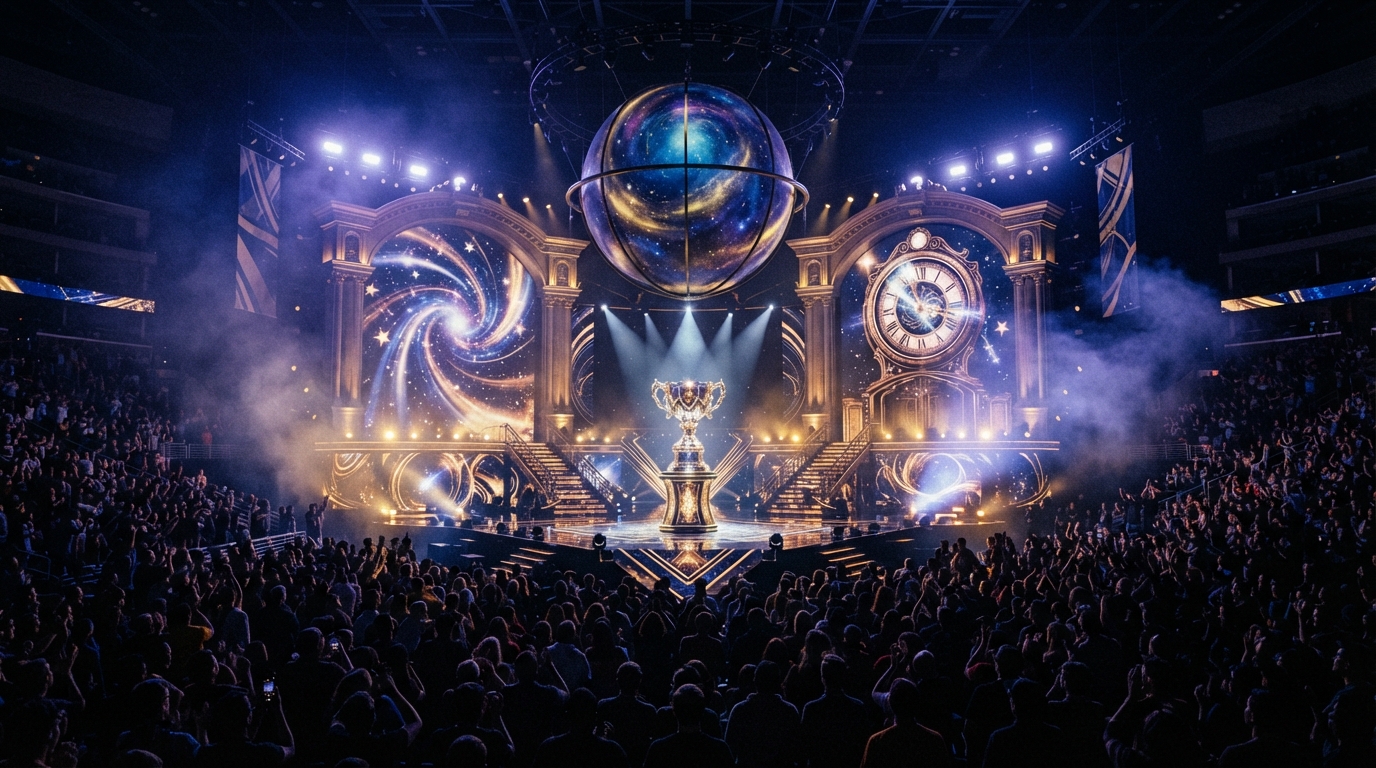
The Game Awards 2026 is scheduled for Thursday, December 10, at the Peacock Theater in Los Angeles, with the show streaming live. The date and venue are confirmed event details, not clues about which games will appear. A theater booking tells us where the show is happening; it doesn’t tell us what Rockstar, Xbox, PlayStation, or anyone else might announce. The Game Awards’ announcement says limited public tickets are scheduled to go on sale through AXS on October 29, 2026. That gives people planning to attend a firm date to watch, though “limited” means tickets aren’t an endless supply of seats waiting for everyone to make up their minds. Ticket timing is practical event information, not evidence of a particular game’s participation. The official site says nominees for the 2026 awards are expected in mid-November. That’s the next clear point on the calendar for the awards conversation to sharpen: once nominees are announced, discussion can move from broad eligibility questions to specific categories and contenders. The site gives a window, not an exact day, so treat “mid-November” as the confirmed timing rather than inventing a more precise date. The Game Awards’ announcement confirms the event schedule, ticket timing, and nominee window. Nominees and show appearances are separate lists, even when fans would very much like them to be the same list. A game being nominated doesn’t confirm that its developer will attend, show a trailer, or announce anything during the broadcast. Likewise, an event date and venue don’t validate a reveal rumor. The announcement confirms when and where The Game Awards will happen; it doesn’t name games slated for the stage. The practical schedule is straightforward: tickets are set to go on sale October 29, nominees are expected in mid-November, and the show is scheduled for December 10 at the Peacock Theater. The awards discussion should get more concrete when nominees arrive, while claims about trailers and announcements still need their own evidence. Calendar details are useful. They aren’t secret messages from the rumor gods.
Why Do The Rumors Matter?
The rumors matter because The Game Awards is both an awards ceremony and a major showcase, so players tune in for winners and news about games they want to play. A trophy can settle an argument for the evening. A surprise trailer can hijack the group chat for the rest of it. That mix fuels the annual rumor cycle: viewers aren’t only wondering who will win, but also what publishers might reveal while the cameras are rolling. The audience is large enough to explain why people care. The Game Awards reported an estimated 171 million global livestreams for its 2025 broadcast, up from 154 million in 2024. The show also reported more than 123 million authenticated viewer votes in 2025, an increase of over 10% from 2024. Those figures show the scale of interest in the event, not how many games will be announced in 2026 or whether those announcements will be any good. A huge crowd can still get a show full of trailers for games nobody asked for. The Game Awards’ 2025 viewership and voting figures Awards and announcements serve different appetites. Some viewers want to see which games take home trophies; others are waiting for a first look at an upcoming release, a long-awaited update, or a surprise that hasn’t already been plastered across the internet. The show brings those interests together, making it a natural target for predictions. It also means a rumor about a reveal can travel much farther than the evidence behind it. Hype has excellent legs. Accuracy is still catching up. That attention matters to publishers and developers because a major broadcast offers a chance to put a game in front of a large audience. But audience size alone can’t tell us which companies will show up, what they’ll reveal, or whether a trailer will land. The 2025 numbers measure livestreams and authenticated votes for that broadcast. They don’t predict the size or quality of The Game Awards 2026 announcements. Treating viewership as proof of a blockbuster lineup would be like judging a game by the number of people who watched its trailer: useful context, not a review. The rumor cycle can still be fun. Guessing what might appear is part of the pre-show ritual, especially when a tease gives fans something concrete to discuss. The trouble starts when a prediction gets passed around as if a publisher confirmed it. That can turn a harmless “I hope this happens” into an expectation that the show has somehow failed before it starts. Nobody needs to be furious at a stage for not delivering a game that existed only in a speculative post. We’ll keep the distinction simple: follow official updates for confirmed announcements, compare specific claims with reliable reporting, and leave predictions in the prediction bucket until the show confirms them. A rumor can be worth watching without being true. And a packed audience doesn’t make every cryptic hint important. Sometimes a teaser is just a teaser, not an encrypted message from the future.
Follow The Facts, Not The Hype
If a Game Awards 2026 rumor has you ready to set a reminder, save the exact claim, not just the headline. Write down the game, what it supposedly will do at the show, who reported it, and whether the source confirms that specific appearance. “GTA VI could be awards-eligible” and “Rockstar will show a trailer” belong on separate lines.
Then check the claim against the official Game Awards announcements before sharing it. A confirmed show appearance should name the game and the planned news; a vague tease or an eligibility discussion doesn’t do that job.
When nominees arrive in mid-November, revisit claims about awards eligibility, not unrelated trailer predictions. Nominees are expected then, but their announcement won’t confirm which games will appear during the broadcast. The Game Awards’ announcement gives the nominee timing.
If you’re tracking a specific reveal, set a deadline: check for an official statement or credible, specific reporting before December 10. If neither appears, keep the claim labeled as speculation instead of upgrading it because the same post has done another lap around social media. The show is scheduled for December 10 at the Peacock Theater, and The Game Awards’ event announcement is the place to verify the schedule.