
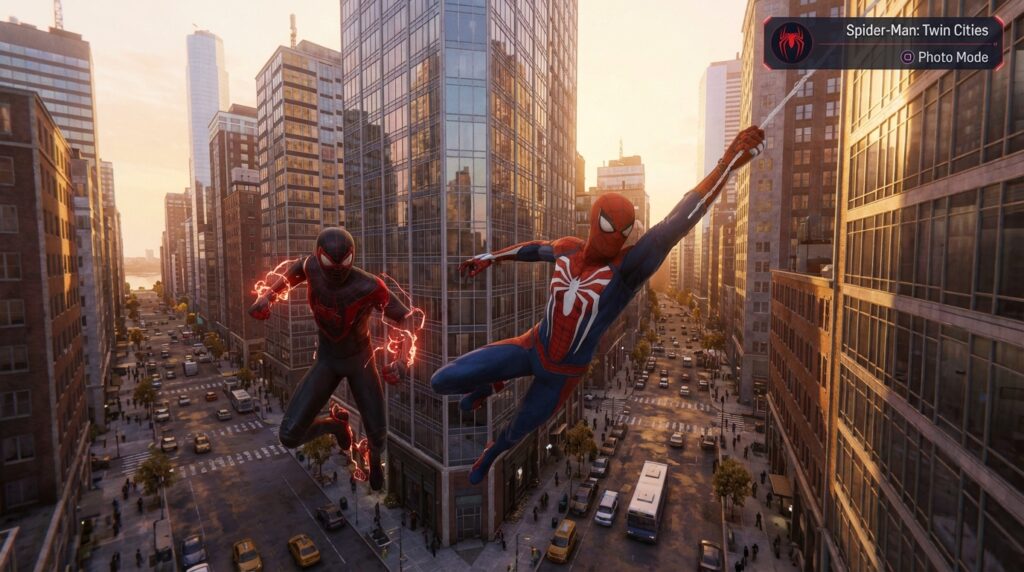
Remember when licensed games were just $60 coasters designed to trick your grandma into buying you a broken tie-in for a summer blockbuster? Thankfully, those dark days of digital trash are dying out. We have finally moved past the shovelware era and into a world where big-budget IPs are treated with actual respect instead of being rushed out to meet a movie premiere deadline.
In a market this volatile, publishers have realized that slapping a recognizable logo on a polished, high-end experience is basically a financial cheat code. With the industry projected to hit over $500 billion in the next decade, nobody wants to gamble on a generic protagonist when they can lean on established brand trust and built-in fanbases. It is a win for the suits who hate risk and a win for us because, for the first time in history, a game based on your favorite comic or film might actually be worth the hard drive space.
Key Takeaways
- The era of the low-effort movie tie-in is over because the high cost of modern game development has made quality a financial necessity rather than an option.
- Established IPs now serve as critical risk mitigation tools, providing a ‘financial cheat code’ through built-in brand trust and narrative depth.
- Success in licensed gaming now depends on obsessive respect for the source material, prioritizing the fan experience over generic gameplay trends or aggressive monetization.
- Publishers are shifting toward transmedia excellence by giving top-tier developers the time and resources to build original stories that expand a franchise’s lore.
Death Of The Low Effort Cash Grab
For decades, the standard movie tie-in was essentially a digital war crime committed against our wallets and our childhood memories. We all remember when a blockbuster film meant a rushed, buggy mess of a game that was slapped together in six months just to sit on a shelf next to the popcorn. These titles were not designed to be fun, they were disposable marketing flyers that tricked parents into buying shovelware. The industry finally realized that burning your audience with garbage is not a sustainable business model, especially when a single bad launch can tank a studio reputation faster than a live-service flop.
The shift toward quality is not just because developers found their consciences, it is because the financial stakes have become too high to ignore. In a market where games cost hundreds of millions to produce, licensed IPs are now being treated as risk mitigation tools rather than quick cash grabs. Developers are finally getting the time and budget to actually respect the source material, resulting in gems like RoboCop: Rogue City or Warhammer 40,000: Space Marine 2. These games do not just lean on a logo to sell copies, they actually understand the power fantasy of the world they are building.
We are currently witnessing a total pivot where the IP provides the narrative depth and the developers provide the actual gameplay polish. Instead of a cheap imitation of a film plot, we are getting original stories that expand the lore and keep players engaged for years instead of hours. This shift proves that a famous name can coexist with competent game design. If a studio cannot treat a beloved franchise with the respect it deserves, they are better off leaving it on the shelf where it cannot hurt us anymore.
Respecting The Source Material Like RoboCop
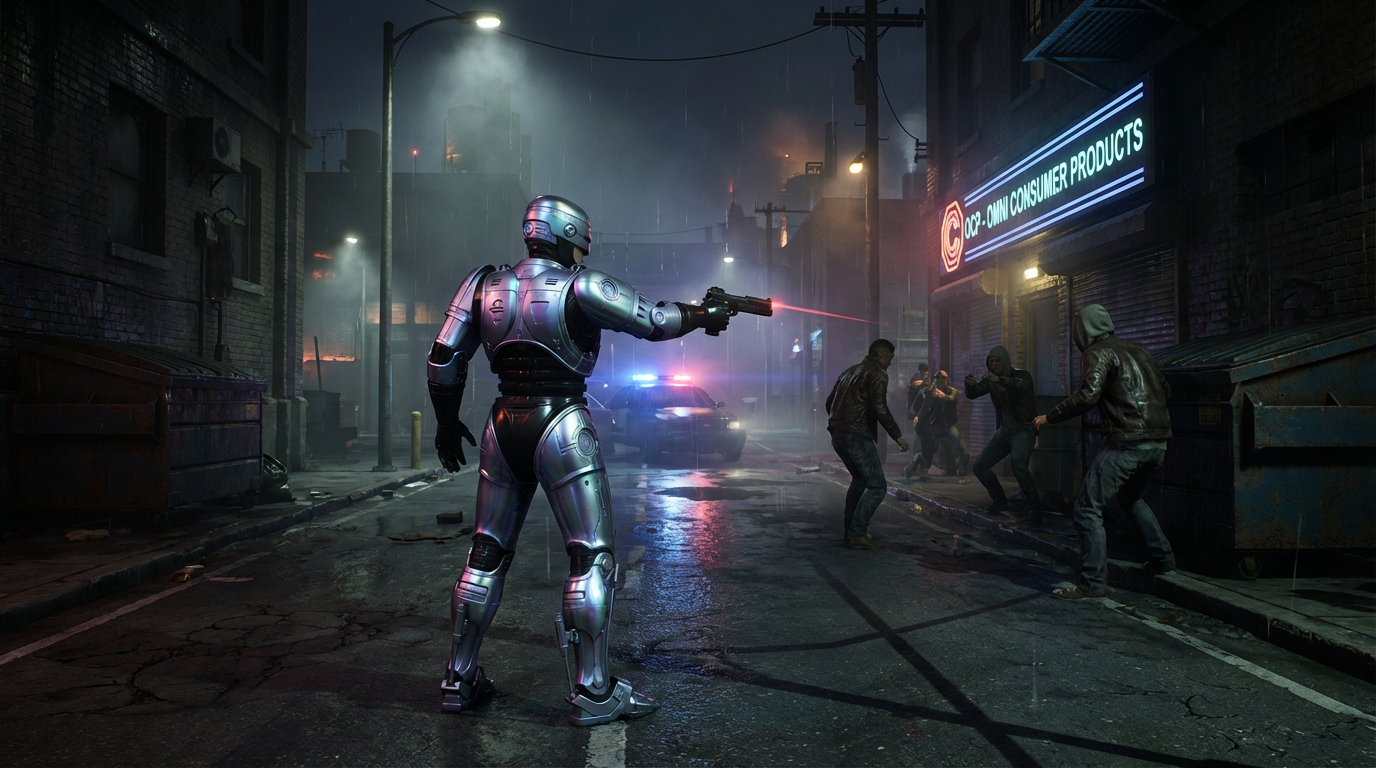
For years, licensed games were the digital equivalent of a lukewarm gas station burrito, cheap, rushed, and almost guaranteed to leave you with a bad taste in your mouth. We all remember the dark ages of movie tie-ins where developers would slap a famous logo on a generic third person shooter and hope nobody noticed the lack of a soul. Those days are finally dying because studios have realized that fans actually want to play the world they love, not a bargain bin imitation. Titles like RoboCop: Rogue City succeeded because the developers clearly spent more time watching the source material than they did looking at monetization spreadsheets. It turns out that when you treat a legendary IP with a bit of dignity, players are actually willing to open their wallets.
The secret sauce in this sudden shift is a level of obsession that borders on the unhealthy, and I mean that as a massive compliment. In Space Marine 2, you are not just a generic soldier in blue armor, you are a walking tank in a world where every rivet and gothic arch feels ripped straight from a high end tabletop manual. These games work because they prioritize the fantasy of the character over whatever trend is currently chasing engagement metrics. Instead of trying to make RoboCop a fast paced hero shooter with a battle pass, the team made him a slow, unstoppable juggernaut who feels exactly like he did in 1987. It is a refreshing change of pace to see developers acting like fans instead of corporate suits.
This shift toward quality is a smart move for an industry that has become increasingly terrified of taking risks on new ideas. Using an established brand provides a safety net of instant trust, but that trust only stays intact if the game actually respects the lore. When a studio obsessively nails the sound of a bolter or the specific clank of a cyborg footstep, they create a community driven experience that sells itself through word of mouth. We are finally moving past the era of shovelware and into a time where being a fan of a franchise does not mean you have to settle for a mediocre game. If this is the future of licensed titles, I might actually stop rolling my eyes every time a new adaptation gets announced.
Why High Budget IP Is Saving Gaming
We have finally moved past the dark ages where a movie tie-in meant a rushed platformer that played like a PowerPoint presentation on a broken GPU. For decades, licensed games were the industry equivalent of a cheap gas station sandwich, something slapped together to exploit a brand name before the theatrical window closed. Nowadays, the stakes are so high that publishers are actually forced to treat these properties with a shred of dignity. When a project costs hundreds of millions of dollars, you cannot just slap a Warhammer logo on a pile of digital garbage and hope for the best. The massive financial pivot toward established IP means that failure is no longer an affordable option, resulting in a desperate need for actual quality to protect the investment.
The current era is giving us gems like RoboCop: Rogue City and high-budget adaptations that respect the source material instead of just strip-mining it for nostalgia. Publishers are realizing that a built-in audience is a double-edged sword because those fans will be the first ones to burn the building down if the game is mediocre. By leaning on the narrative depth and instant brand trust of a known universe, developers can focus on making the gameplay loop actually fun instead of wasting years trying to explain why a generic space marine is grumpy. It is a win-win scenario where the industry gets the stability of a pre-sold audience and we finally get games that do not make us regret having a favorite movie.
This shift toward high-budget IP is effectively saving gaming from its own habit of chasing every fleeting trend into a shallow grave. In a market that is more volatile than a toddler on a sugar crash, these established brands provide the safety net required to take real creative risks with mechanics. We are seeing a level of polish and atmospheric detail once reserved for prestige first-party titles because the license itself acts as the ultimate insurance policy. If the alternative to a licensed game renaissance is another dozen uninspired hero shooters that die in three weeks, I will gladly take a well-crafted trip back to a familiar universe every single time.
The Future Of Transmedia Gaming Excellence
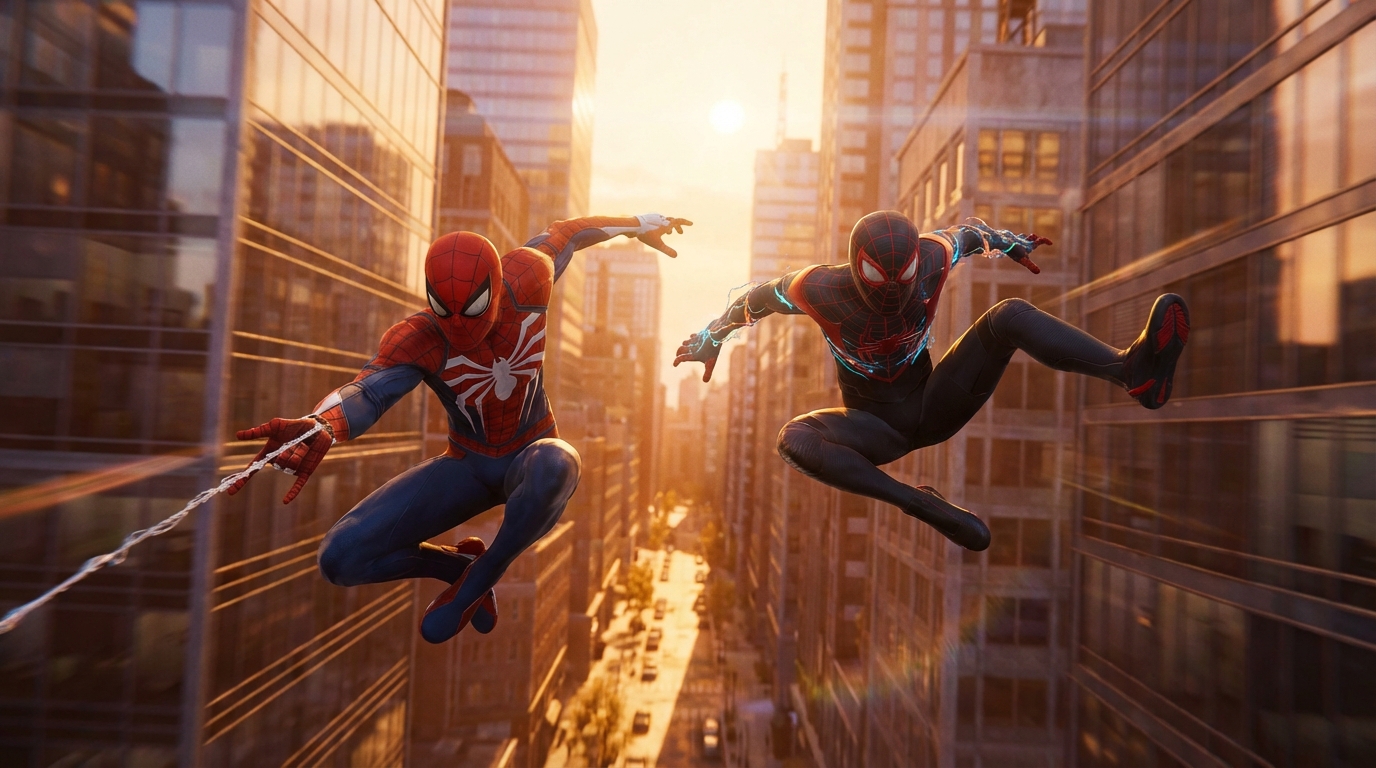
Gone are the days when a movie tie-in meant some poor, overworked studio had three months and a shoestring budget to churn out a glitchy mess before the premiere. We are finally entering an era where the industry treats licensed IP like a prestigious responsibility rather than a quick cash grab. Instead of outsourcing to the lowest bidder, giants are handing their keys to top-tier developers who actually know how to make a jump button feel good. It is a massive shift from the shovelware era, proving that publishers have realized a high-quality game is a better long-term investment than a rushed piece of digital garbage.
The upcoming slate of projects feels like a genuine apology for decades of mediocrity. We are seeing heavy hitters being given the time and resources to actually innovate. These studios are not just replicating scenes from a film, but are instead building deep, linear narrative games that can stand on their own two feet. It is a win for everyone involved because fans get a title worth their sixty dollars, and the suits get a sustainable franchise that does not immediately end up in a bargain bin.
This shift is fueled by a simple realization that brand trust is a finite resource that should not be squandered on lazy design. When you look at the success of recent hits in the Warhammer or RoboCop universes, it is clear that players are starving for adaptations that respect the source material. The industry is moving toward a model of transmedia excellence where the IP provides the audience, but the gameplay provides the staying power. We are finally moving past the dark ages of licensed gaming, and if this trend of putting talent before deadlines continues, the future of transmedia is looking surprisingly bright.
Licensed Games Actually Do Not Suck Anymore
We are finally living in an era where seeing a famous movie character on a game cover does not immediately signal a low-effort cash grab. The recent success of titles like RoboCop and Warhammer proves that developers are actually being given the time to respect the source material instead of just rushing to meet a theatrical release date. It is a refreshing change of pace to play a licensed game that feels like a passion project rather than a mandatory corporate obligation. This shift is fueled by a market that finally realized fans have standards, and providing a deep, authentic experience is the only way to survive a $250 billion industry. I am genuinely optimistic that the days of movie tie-in trash are mostly behind us as long as these high-quality benchmarks keep selling.
However, let us not get too comfortable and assume the suits have grown a conscience overnight. The industry sudden love for established IP is driven by a desperate need to mitigate risk in a volatile economy, not necessarily by a pure love for art. Whenever something works this well, corporate greed usually finds a way to ruin the party with aggressive monetization or assembly-line sequels that strip away the soul of the original. We need to stay vigilant and keep our wallets closed the second a publisher tries to slide back into those lazy, exploitative habits of the past. Enjoy this golden age while it lasts, but remember that the line between a masterpiece and a cynical community model is thinner than a disc from the early 2000s.
Frequently Asked Questions
1. What exactly is a licensed game renaissance?
It is the licensed game renaissance where developers finally stopped treating movie tie-ins like digital landfill. We are seeing a shift where massive IPs are handled with actual care and massive budgets, resulting in games that are actually worth playing instead of being $60 coasters.
2. Why did licensed games used to be so terrible?
Publishers used to prioritize movie premiere deadlines over things like fun or functional code. These games were rushed out in months as disposable marketing flyers, designed to trick your parents into buying shovelware before anyone realized the game was a buggy mess.
3. Is the industry suddenly developing a conscience about quality?
Not exactly, it is mostly about the money. With modern game development costing hundreds of millions, publishers realized that burning your audience with garbage is a financial death sentence, so they now use big brands to mitigate risk rather than hunt for a quick buck.
4. Are we done with the era of the $60 movie tie-in?
The low-effort cash grab is effectively dead because the market is too volatile for mediocrity. Today, a recognizable logo is a financial cheat code only if the game is a polished, high-end experience that fans will not immediately tear apart on social media.
5. Why are publishers leaning so hard into established IPs now?
Nobody wants to gamble a studio future on a generic protagonist when they can lean on built-in fanbases and brand trust. Using a famous license is the ultimate safety net in an industry projected to hit $500 billion, ensuring people actually care about the game before the first trailer even drops.
6. Does this mean every licensed game is a masterpiece now?
Let us not get carried away, as there will always be some corporate nonsense in the mix. However, the baseline has shifted from digital war crimes to legitimate titles that actually deserve space on your hard drive, even if bloated open worlds sometimes threaten to overstay their welcome.