Destiny 2 leadership criticism is no longer just about a bad season or another baffling balance patch. I’m talking about the bigger mess: diluted strategy, questionable spending, layoffs, player-unfriendly monetization, and a live-service game treated like an ATM with a loot table. When the same audience keeps sounding the alarm while engagement sinks, “just wait for the next expansion” stops being a strategy and starts sounding like corporate fortune-telling.
The uncomfortable question is whether Destiny 2’s problems came from the game itself or from the people steering it. I’ll separate documented decisions from anonymous allegations, because outrage is cheap and evidence is rarer than a competent seasonal model. The result is a closer look at how leadership choices turned a beloved shooter into a case study in missed targets, shrinking trust, and management that occasionally seemed to be playing a different game.
Key Takeaways
- Destiny 2’s leadership is under fire for spreading resources across multiple projects while the franchise’s engagement, content quality, and player trust declined.
- Retention and monetization problems stem from repetitive seasonal systems, removed or fragmented content, and increasingly aggressive payment structures that make the game feel transactional.
- Repeated layoffs have intensified accountability concerns, especially because developers absorbed the consequences while senior leadership remained in place; allegations about toxic culture and mismanagement remain unverified.
- With the final planned live-service content update reportedly released on June 9, 2026, Destiny 2’s future depends on a clear support roadmap, honest communication, and visible leadership accountability rather than vague promises.
Destiny 2’s Strategy Under Fire
Destiny 2’s strategy is under fire because critics believe the studio spread its resources too thin while the game remained its main revenue engine. The studio has publicly discussed expanding beyond Destiny, and its parent company has documented its ownership and oversight, making the broader strategy more than idle forum speculation. The criticism is that new initiatives received attention and investment while Destiny 2 carried the financial backpack uphill, occasionally stopping to sell it a cosmetic bundle. From my perspective, ambition is fine, but a live-service game cannot survive on promises about tomorrow while today’s players are being asked to pay for increasingly thin portions of content.
Recent comments from a Destiny 2 community manager and a former studio executive have put those leadership decisions back under the microscope. Their remarks have renewed debate over declining engagement, unpopular systems, inconsistent content, and monetization that can make the game feel less like an adventure and more like a shop with guns attached. That does not prove every criticism aimed at the studio is correct, but it does explain why players are questioning whether executives understood what kept the franchise healthy. If Destiny 2 was still the studio’s financial foundation, treating player trust as an optional upgrade was a spectacularly bad design choice.
Anonymous former-employee accounts have also alleged mismanagement, toxic workplace practices, and poor communication inside the studio, but those claims remain unverified and should not be presented as established facts. The same caution applies to broader allegations about workforce decisions or internal financial planning unless the studio or its parent company confirms them through public statements or filings. I can still judge the visible results, including layoffs, strategic uncertainty, and a strained relationship with the community, without turning anonymous testimony into courtroom evidence. The central question is simple: did leadership build a stronger future for Destiny 2, or spend too long chasing the next big thing while its current cash machine coughed in the corner?
Destiny 2’s Retention And Monetization Crisis
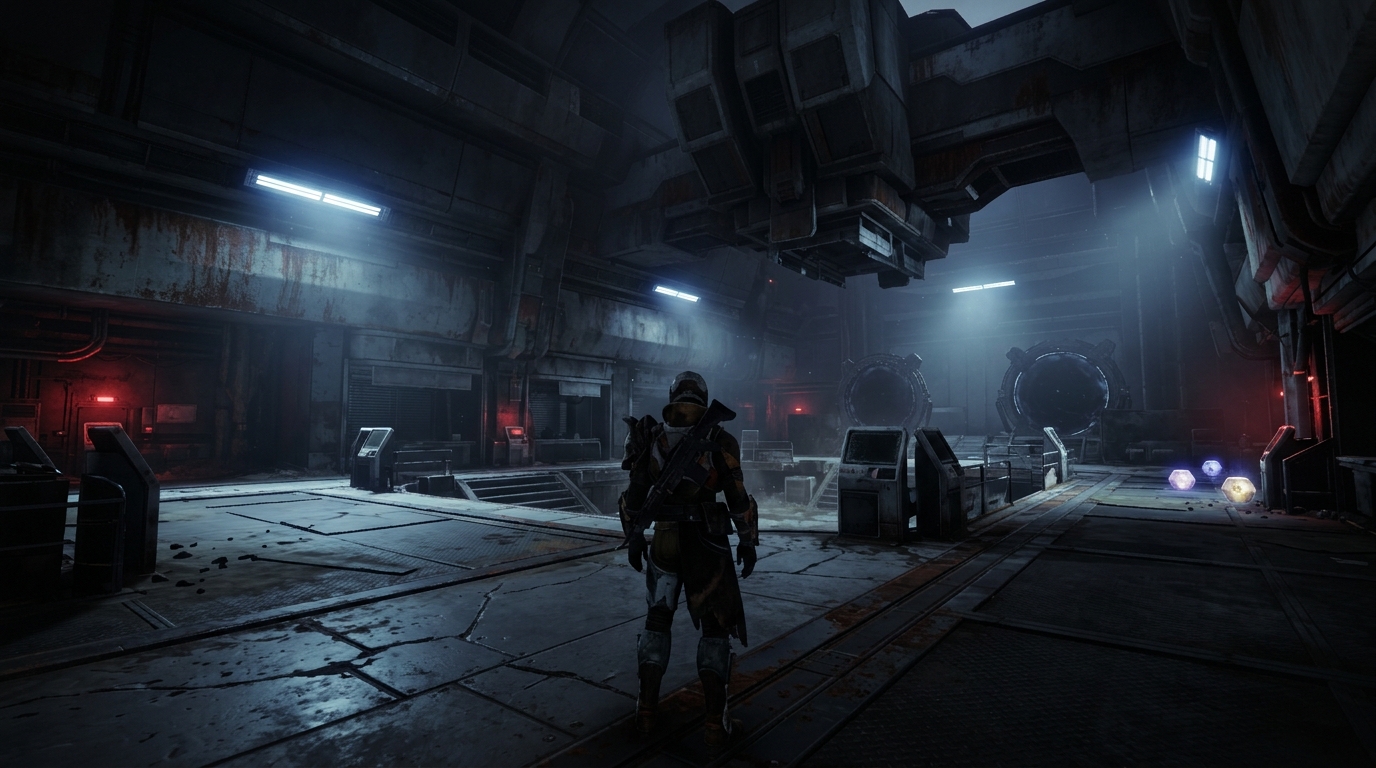
Destiny 2’s retention problem looks less like one disastrous update and more like the bill arriving for years of strategic drift. Players have watched beloved activities rotate out, systems get rebuilt and discarded, and seasonal content become a conveyor belt that demands regular attendance without always offering a satisfying reason to show up. I have no problem with a live-service game changing, but Destiny 2 increasingly feels like it is changing because the plan keeps changing, not because anyone found a better destination. When the same audience is asked to relearn the rules every few months, burnout stops being a player failure and starts looking like a leadership failure.
The monetization backlash follows the same pattern, with more purchases, passes, bundles, and limited-time offers competing for attention while meaningful rewards feel increasingly rationed. Players are not objecting to every cosmetic or paid expansion, and pretending otherwise would be a convenient straw man wearing a shader. They are objecting to a game that can make the free experience feel like a shop window for the premium one, especially when content is removed, repackaged, or split across multiple payment tracks. That transactional design may produce short-term revenue, but it also teaches players to treat every new feature as a sales pitch with a loot table attached.
Recent comments from a community manager and a former executive have pushed the criticism beyond individual patches and toward the people setting the studio’s priorities. Reports of layoffs, investment in multiple projects, and pressure to keep Destiny 2 earning while its foundations wobbled have intensified the sense that leadership stretched the franchise too thin. Some claims from former staff remain allegations, so they should not be treated as proven fact, but the visible results are difficult to dismiss: weaker retention, exhausted players, and a community that assumes every promise comes with an asterisk. I still enjoy Destiny 2 at its best, yet leadership cannot keep handing developers an impossible design brief and then act surprised when the treadmill catches fire.
Layoffs And Accountability Questions
Repeated layoffs have turned Destiny 2 leadership criticism into a question of accountability, not just another round of angry subreddit posts. On June 25, 2026, the parent company announced that most of the Destiny team would be affected, a brutal confirmation that the people building the game would once again absorb the cost of strategic decisions made above them. The studio and its parent company presented the cuts as restructuring intended to focus resources and support the franchise’s future. That may be tidy corporate language, but “restructuring” feels a lot less tidy when it keeps happening to the same workforce.
The backlash grew because senior executives largely remained in place while developers, artists, and support staff paid the price. Critics argue that the studio expanded into multiple projects, spent heavily on new initiatives, and allowed Destiny 2’s retention and monetization problems to worsen before reaching for the axe. Reported allegations from former employees describe toxic management, weak internal communication, and a culture where bad news struggled to travel upward. Those accounts remain allegations, not proven findings, but they fit an increasingly uncomfortable pattern: leadership keeps promising a clearer direction while employees are shown the exit.
I find the most frustrating part is that official statements can acknowledge the pain without answering who made the decisions that caused it. Recent comments from a Destiny 2 community manager and a former studio executive have put that gap back under the spotlight, especially as players wonder whether the studio is fixing its strategy or simply trimming the people left holding it together. Layoffs may reduce costs on a spreadsheet, but they do not repair trust, improve communication, or magically make a live-service game more enjoyable. If executives want players and staff to believe in Destiny 2’s future, accountability needs to arrive before the next restructuring announcement does.
Destiny 2’s Final Update And Franchise Future
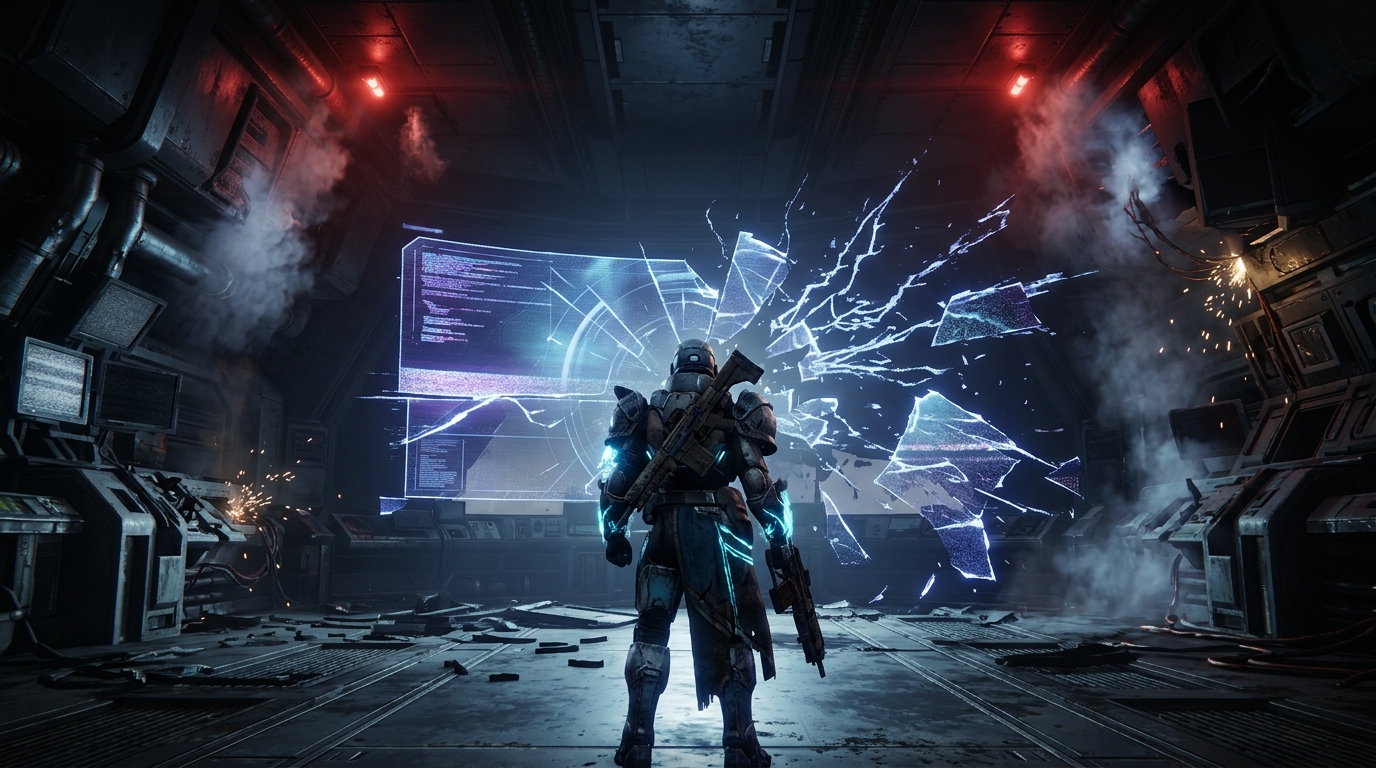
The final planned live-service content update for Destiny 2 arrived on June 9, 2026, according to the studio’s official support information. That date lands less like a triumphant finale and more like a blinking warning light on the dashboard. Destiny 2 can still receive maintenance, balance changes, and smaller events, but the end of planned live-service expansion makes every future promise feel noticeably smaller. After years of seasonal churn, monetization complaints, layoffs, and strategic distractions, players are understandably asking whether this is a long-term plan or simply the quiet part before the lights go out.
Recent comments from a Destiny 2 community manager and a former studio executive have pushed leadership criticism beyond the usual argument about weak loot or another disappointing activity. The broader complaint is that executives diluted the studio’s focus, spent heavily on projects beyond Destiny, and treated the game’s remaining players like an endlessly renewable resource. Some of those claims come from documented company developments, while others are allegations from former employees, so they should not be treated as proven fact. Still, the pattern is difficult to ignore: when leadership talks about the future while players see reduced content, workforce cuts, and increasingly aggressive monetization, trust does not merely decline. It packs a bag and moves to a different planet.
What remains for Destiny 2 now depends less on grand speeches and more on whether the studio can communicate a credible support plan. Players need clear answers about maintenance, bug fixes, legacy content, servers, monetization, and whether any meaningful new development is actually funded. The parent company may still have plans for Destiny and other projects, but vague promises will not repair confidence after years of strategic whiplash. I would rather see a smaller, honest roadmap than another theatrical declaration that everything is fine while the ship is visibly held together with cosmetic-store tape.
Conclusion The Studio’s Next Test
The documented record is already enough to justify serious questions about the studio’s leadership. The company expanded beyond Destiny 2, dealt with repeated staffing cuts, and watched player confidence weaken as unpopular systems and monetization piled up like overdue bills. Recent comments from a Destiny 2 community manager and a former studio executive have intensified that scrutiny, but their interpretations are not automatically proven fact. Reports from anonymous former employees about culture, strategy, and internal decision-making should remain allegations until the studio provides evidence or a clear response.
That distinction matters because accountability is not the same thing as demanding a villain-shaped executive to appear in a thunderstorm. Leadership can make bad calls without every rumor being true, and a fun raid cannot erase poor planning, lost jobs, or a damaged relationship with the community. I want the studio to explain who made the major strategic choices, what went wrong, and how those decisions will change, rather than waving a shiny trailer in front of players and hoping the questions despawn. The next Destiny update should be judged on its quality, but the people running the operation should be judged on whether they learned anything.
What I’ll be watching next is straightforward: official plans for Destiny, further staffing announcements, and whether the studio offers a concrete explanation instead of another carefully polished corporate fog machine. Vague promises about listening are worth roughly one blue engram, which is to say, not much. The strongest evidence will be specific timelines, honest ownership of past decisions, and visible changes in how the studio communicates and allocates its resources. Until then, the central question is not simply whether the next update is fun, but whether leadership can finally demonstrate accountability.
Destiny 2 Leadership Finally Faces the Fire
Destiny 2 leadership criticism is no longer just the usual player grumbling about a weak season or a disappointing exotic. Recent comments from a community manager and a former studio executive have pushed the conversation toward bigger questions about strategy, finances, layoffs, workplace culture, and the increasingly strained relationship with players. The concern is that leadership spread attention across multiple projects while Destiny 2 remained the main revenue engine, which is a bit like neglecting the only working spaceship while shopping for a yacht. Declining engagement, unpopular systems, and aggressive monetization have made that strategy look less like bold ambition and more like expensive improvisation.
Still, I want to separate documented events from claims made by anonymous former employees, especially when discussing alleged mismanagement or toxic culture. The strongest criticism is not that every decision was wrong, but that leadership repeatedly failed to explain its priorities or convince players that Destiny 2 had a stable future. I can forgive a bad expansion, a busted activity, or another currency nobody asked for, but trust is harder to restore once the audience feels treated like a wallet with a login screen. Until leadership delivers clearer communication, better support for the game, and a strategy that players can actually see working, the criticism will remain justified rather than merely noisy.