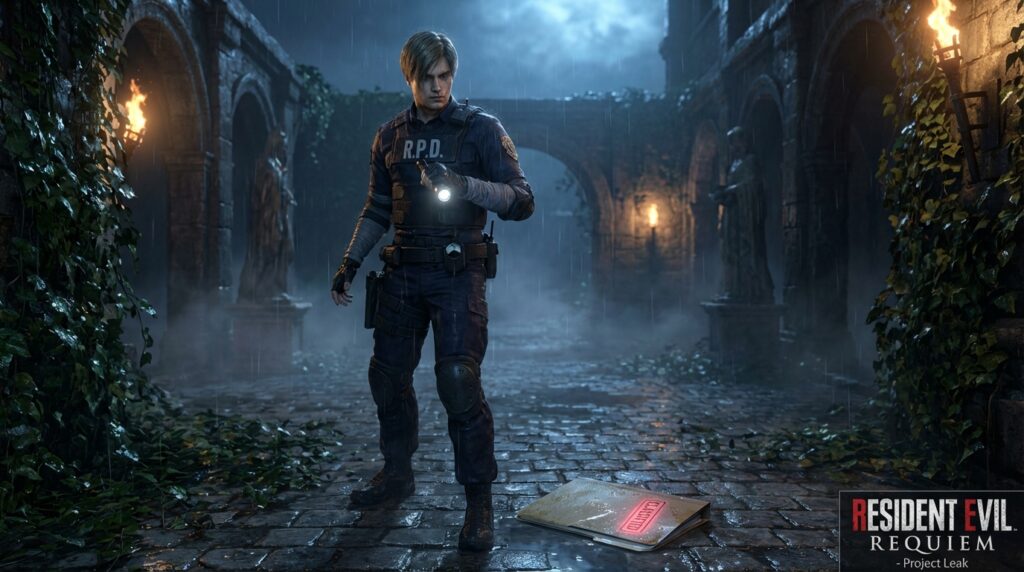

Bobby Kotick’s gaming return is a seat on a board, not a job running games. On October 6, 2026, Skydance named the former Activision CEO an independent director, and David Ellison stayed on as chairman and chief executive. Reporting says Tony Driscoll, not Kotick, will lead the combined games-and-experiences operation.
Skydance completed its acquisition of Warner Bros. Discovery that same day, so Kotick’s appointment landed in the middle of a major reshuffle. Headlines love the word “comeback.” The org chart is less thrilling. He gets a vote in the boardroom, not control of the studios.
TL;DR: Bobby Kotick’s gaming comeback is a board seat at Skydance as an independent director, not a job running games. He gets a vote on strategy and big decisions, while David Ellison stays chairman and CEO and Tony Driscoll is reported to lead the combined games division. The appointment landed the same day Skydance completed its Warner Bros. Discovery acquisition, so the reshuffle is the bigger story.
Kotick Returns Through Skydance’s Boardroom
Skydance’s October 6, 2026 announcement introduced Kotick as Activision’s founder and former CEO, and noted that he served as CEO for 32 years. That’s a long run, and it’s the reason every headline reached for the word “comeback.” It’s also why the details matter. Skydance gave him an independent director seat, which means a vote and a voice in the boardroom.
Board members weigh in on strategy, money and major decisions. They don’t run the studios, pick the next release or sit in the daily meetings where games get made. [PC Gamer](https://www.pcgamer.com/gaming-industry/bobbys-back/) reported in October 2026 that his Skydance role is a board seat, and that’s the part to remember when the comeback stories start flying.
Skydance’s broader reshuffle is still the bigger story. David Ellison stays on as chairman and chief executive, so the top job didn’t change hands.
What an Independent Director Actually Controls
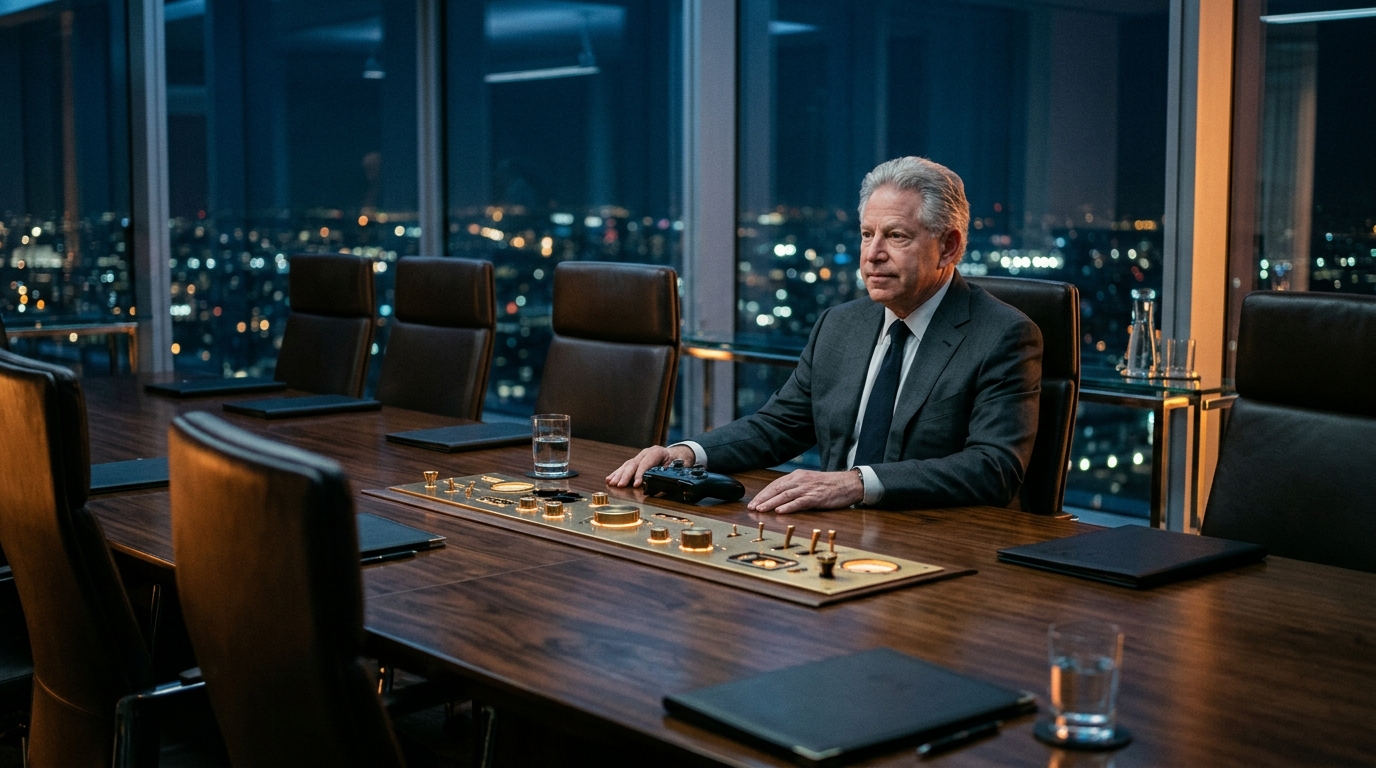
Here’s the difference in plain terms. Board oversight means asking the hard questions: Is the money sound? Does the strategy make sense? Should the company bet serious money on that franchise? Operating control means someone has to make the game, ship it, and answer for it when it flops.
Board members do the first job. Studio leaders do the second.
Skydance has said David Ellison will remain chairman and chief executive after the October 2026 board appointments. The person with the final say over the whole company stayed put.
Reporting puts the games business in different hands. A GameSpot report published October 7, 2026, said Tony Driscoll would oversee the combined games-and-experiences division, which lists Mortal Kombat, Game of Thrones, Star Trek, South Park and Avatar: The Last Airbender. Driscoll was already running Paramount Games Studio, announced July 6, 2026, so he isn’t a newcomer to the job.
Board seats are loud on announcement day and quiet everywhere else. The name on the board is rarely the name deciding what ships.
Paramount and Warner Bros. Games Under One Roof
The deal closed on October 6, 2026, leaving Warner Bros. Discovery as a wholly owned subsidiary of Skydance Corporation, as stated in a Securities and Exchange Commission filing.
Paramount had already been reorganizing its own games business. On July 6, 2026, it announced Paramount Games Studio under president Tony Driscoll, uniting Paramount’s gaming studios with Skydance’s, including Skydance Interactive and Skydance New Media. Two studio families, one org chart.
Reporting from October 2026 said Paramount Games and Warner Bros. Games would be combined into a single games operation. That puts Warner Bros. Games under the same corporate roof as the Paramount and Skydance gaming assets.
For players, the practical result is one parent company with the final say over budgets, release schedules and which studios get to make what. Combining operations can mean shared resources, but it can also mean fewer independent voices. Which way it goes depends on decisions nobody has announced yet.
Call of Duty, Mortal Kombat and Who Owns Them Now
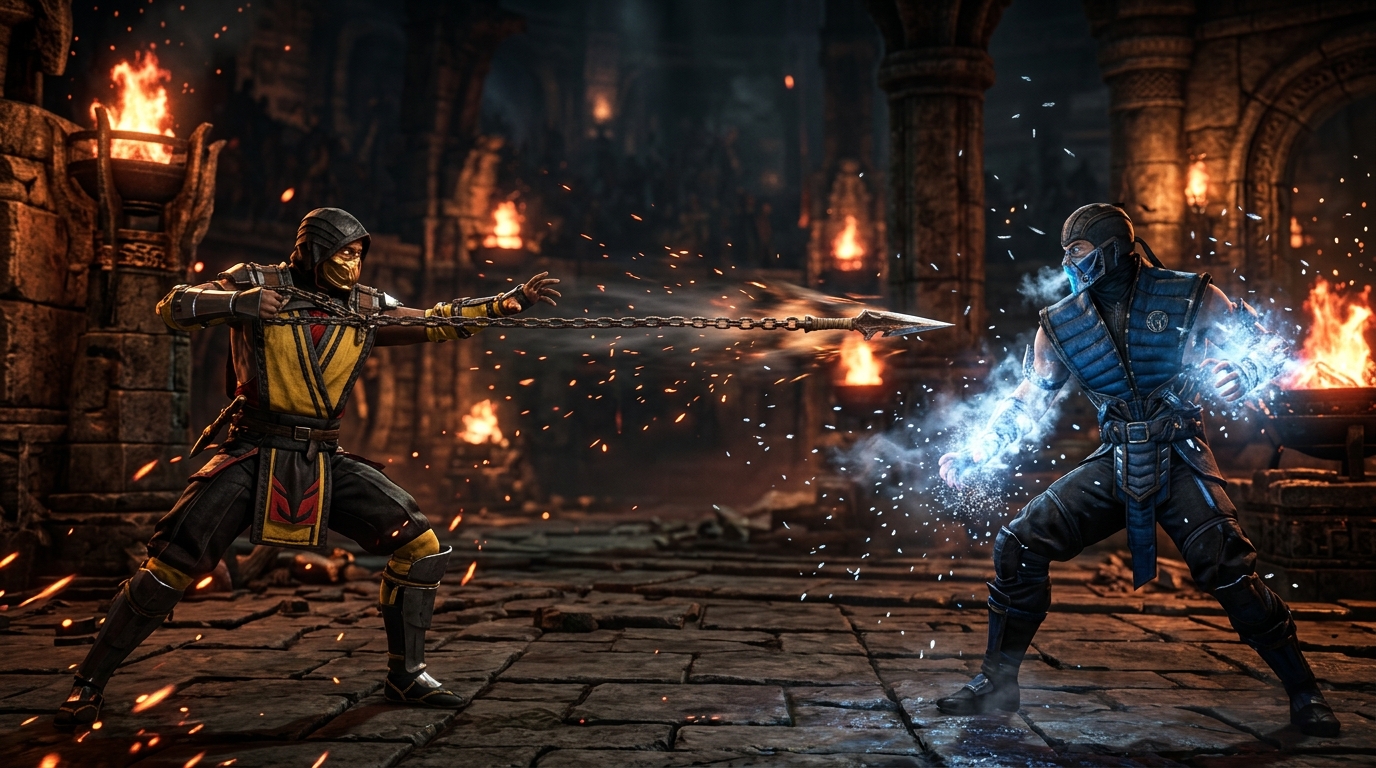
Call of Duty and Mortal Kombat are the names players care about most, and they no longer sit under the same corporate story. Microsoft closed its $68.7 billion Activision Blizzard acquisition on October 13, 2023, and Call of Duty came along with it. Mortal Kombat now falls under the newer structure. Tony Driscoll is reported to oversee the combined games-and-experiences division, and the franchises listed for it include Mortal Kombat, Game of Thrones, Star Trek, South Park and Avatar: The Last Airbender.
That’s a lot of famous IP for one board seat to sit near. Hogwarts Legacy and DC-related games are also among the properties the shift touches. Kotick may be on the board, but the people who approve budgets and release calendars are the ones who matter. Ask who signs off on the next Mortal Kombat release, and the ownership map gets clearer fast.
Why the Microsoft Deal Still Shadows Kotick’s Name
Microsoft announced on January 18, 2022, that it would buy Activision Blizzard for $95 per share in an all-cash deal valued at $68.7 billion, including Activision’s net cash. The merger closed on October 13, 2023, and shareholders were entitled to $95 in cash per share. Microsoft said the portfolio included Call of Duty, World of Warcraft, Overwatch and Candy Crush Saga, which is a lot of gaming real estate for one check.
Regulators did not simply wave it through. The UK Competition and Markets Authority approved the deal on October 13, 2023, but only after the revised transaction excluded Activision’s cloud-streaming rights outside the European Economic Area.
In the United States, the Federal Trade Commission challenged the merger on competition grounds. Its administrative case wasn’t marked closed until May 22, 2025.
So the deal is old news, except it isn’t. Kotick’s name still pulls that history into every new headline, and the industry would love you to forget the fine print.
The Settlements That Followed Activision’s Culture Fights
Bobby Kotick’s return to the boardroom arrives alongside a trail of settlements, and those deserve more attention than the comeback headlines. In February 2023, Activision Blizzard agreed to pay the U.S. Securities and Exchange Commission $35 million over disclosure controls and an SEC whistleblower-protection rule. It did so without admitting or denying the agency’s findings, which is corporate speak for “we’ll pay, but we won’t say we did anything wrong.”
In December 2023, California’s Civil Rights Department announced an approximately $54 million settlement of its employment-discrimination allegations against Activision Blizzard. The deal covers eligible California women employees and contract workers from October 12, 2015, through December 31, 2020. A court approved the consent decree on January 17, 2024.
Settlements close lawsuits. They don’t guarantee a healthier workplace, and they don’t tell players who will decide the next release.
What Players Should Watch as Ownership Shifts
Watch who makes creative and release decisions for the combined Warner Bros. Games and Paramount assets. Those names will tell you more than any press release will. Next, track whether franchise leadership changes under Tony Driscoll, especially for Mortal Kombat and the other franchises on that list. Then notice when board-level names start appearing in product decisions. That would be the real sign of control, not a line in an announcement. Until it happens, Kotick’s seat is still just a vote in the boardroom.
What Players Should Watch as Ownership Shifts
Start small. Pick one franchise you care about, whether that’s Hogwarts Legacy, Star Trek, South Park or Avatar: The Last Airbender, and open its store page before you preorder anything. Check the publisher and developer lines, then compare them with the next announcement. If the credits change, you’ll see it there first.
Keep a short list of your favorite series and note who publishes each one. When a new trailer drops, check whether the studio name points to a Paramount unit, a Warner Bros. Games label or a Skydance team. That quick check tells you more than any headline about comebacks.
Then watch the release calendar. A quiet delay or a surprise cancellation says more about who is really in charge than a board announcement ever will, so trust the schedule over the buzz.