We’ve all seen the “miracle” ports that make the Nintendo Switch look like a pocket-sized powerhouse, but for every Witcher 3, there’s a technical disaster waiting to melt your CPU. The eShop is a minefield where a slick trailer often hides a slideshow in disguise. If you’re tired of wasting your gold points on blurry textures and single-digit frame rates, you need to know which titles earn the dubious honor of being the worst ports ever released.
Some of these games aren’t just ugly; they are fundamentally broken experiences that the developers essentially abandoned in a ditch. Whether it’s a high-profile wrestling sim that runs in slow motion or a shooter that looks like it was smeared in Vaseline, these ports prove that some games were never meant to leave the home console. I’ve suffered through the crashes and the stuttering so you don’t have to. Life is too short to play a game that performs worse than a flip-phone app from 2005.
Key Takeaways
- Always check independent performance reviews before purchasing Switch ports, as eShop trailers often use deceptive marketing to hide technical failures like single-digit frame rates.
- Avoid ‘Cloud Version’ releases and titles like WWE 2K18 that suffer from unplayable slow-motion gameplay, extreme input lag, and a lack of developer support post-launch.
- Steer clear of games that compromise the console’s portability by requiring constant high-speed internet or massive, storage-heavy patches that still fail to fix fundamental optimization issues.
- Prioritize native ports from developers who demonstrate a commitment to optimization over ‘lazy’ cash grabs that treat the hardware as an afterthought.
WWE 2K18 And The Slow Motion Nightmare
If you want to witness a technical disaster that defies the laws of physics, look no further than WWE 2K18. I am not just talking about a few frame drops or some blurry textures, as this port actually runs in literal slow motion. The moment you try to have more than two wrestlers in the ring, the game engine chugs along at what feels like half speed. It is like watching a professional wrestling match taking place underwater or inside a giant vat of molasses. You can press a button to throw a punch and have enough time to go make a sandwich before the animation actually connects with your opponent.
The most insulting part of this entire ordeal is how the developers handled the inevitable backlash. After launching a product that was fundamentally broken and unplayable for anyone who enjoys multi-man matches, they basically shrugged their shoulders and walked away. There were a couple of minor patches that did next to nothing to fix the frame rate, and then the game was effectively abandoned to rot. It stands as a permanent monument to the “ship it now, fix it never” mentality that plagues some of the worst third-party efforts on the handheld. Even now, this remains the undisputed king of bad ports because it never even tried to be better.
Playing this game today is a lesson in frustration that makes you appreciate the miracle ports that actually work on the hardware. It is genuinely impressive how a studio could look at a slideshow of a wrestling match and decide it was ready for retail shelves. Every entrance is a stuttering mess, and every grapple feels like a test of your patience rather than your skills. If you see this in a bargain bin or on a digital sale, do yourself a favor and keep scrolling. This is not a hidden gem or a cult classic, it is just a broken piece of software that should have stayed on the drawing board.
Mortal Kombat 1 And The Soulness Eyes Of Doom
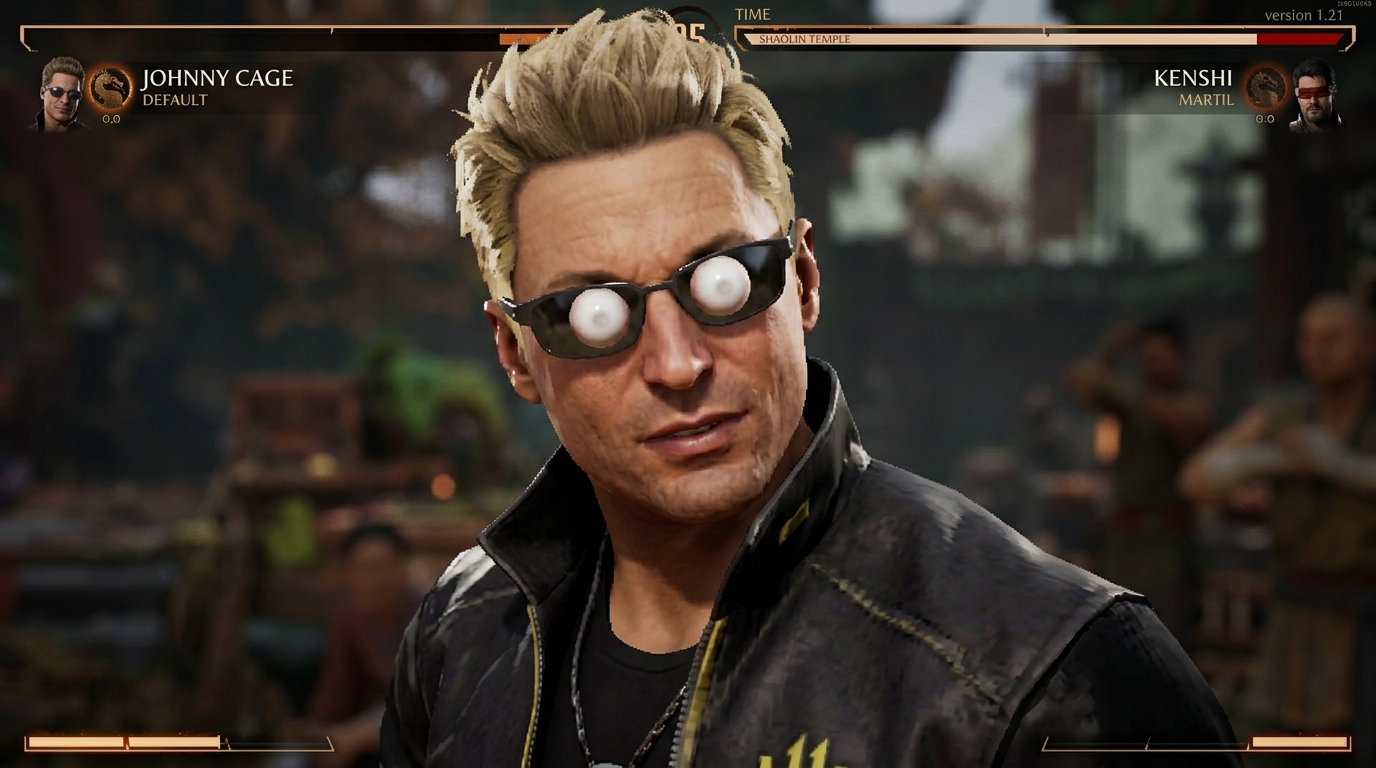
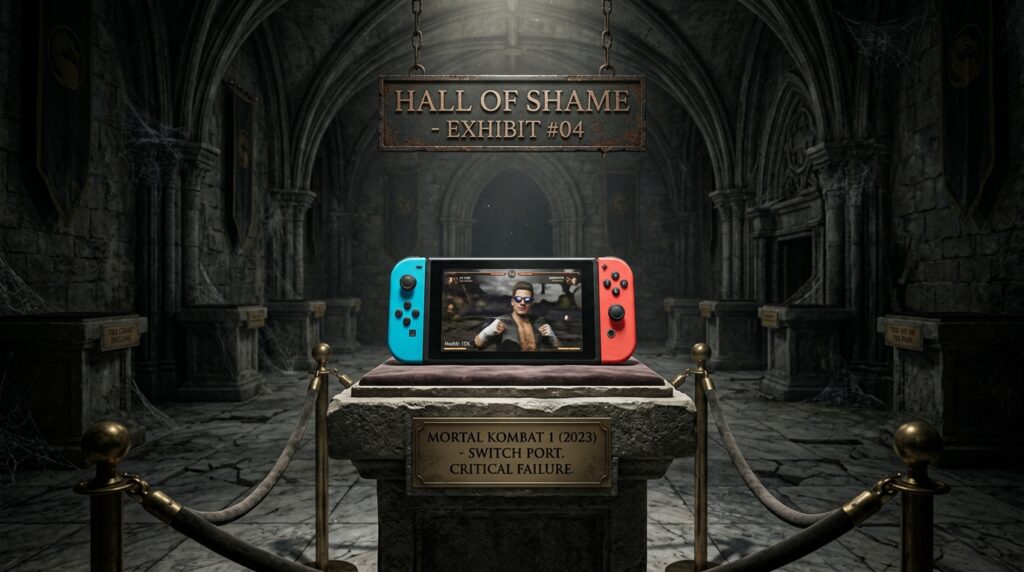
When Mortal Kombat 1 first punched its way onto the handheld, it did not just drop the ball, it dropped it into a meat grinder. We were promised a high-end experience, but what we actually got was a cursed gallery of vacant stares and textures that looked like they were rendered on a graphing calculator. The internet immediately exploded with screenshots of Johnny Cage and Li Mei looking like plastic mannequins that had seen things no human should ever witness. It was a total slap in the face to fans who paid full price for a game that looked like a grainy fever dream. The performance was equally offensive, with frame rates that chugged harder than a college freshman at their first frat party.
The developers have since dumped a massive amount of storage-eating patches onto our SD cards to try and fix the technical failures. To be fair, the characters no longer look like they are staring into the infinite void of their own nonexistence, and the lighting has seen a genuine upgrade. However, the game still takes up a staggering amount of space, and the loading screens give you enough time to go make a sandwich and eat it too. While it is technically playable now, it still feels like trying to run a marathon while wearing lead boots. The hardware has its limits, and this port proved that some games are just too big for their own good.
If you are a diehard fan who absolutely needs Fatality on the go, the current version is a massive improvement over the launch disaster. Just do not go in expecting the crisp, fluid carnage you see on more powerful hardware. The textures are still muddy in spots, and the background environments often look like they were painted with watercolor by someone who forgot their glasses. It is a fascinating case study in how much a developer can polish a turd, but it is still a compromised experience. Unless you have zero other ways to play it, this remains a cautionary tale about the dangers of the “impossible port” trend.
Cloud Versions And The Input Lag Apocalypse
The Cloud Version trend is the ultimate white flag of surrender from developers who simply cannot be bothered to optimize their code for the hardware. Instead of doing the hard work of downscaling textures or managing memory, these studios just shove the game onto a server and hope your internet connection can carry the load. It is a lazy, cynical solution that turns your high-tech handheld into a glorified streaming player for software you do not even truly own. If your router decides to have a bad day or your neighbor starts streaming 4K video, your frame rate will tank faster than a lead balloon.
Kingdom Hearts is the poster child for this absolute disaster, offering a laggy experience that feels like playing through a bowl of cold oatmeal. There is something deeply insulting about being told a game from the PlayStation 2 era requires a massive server farm just to run on a modern console. Every jump and every swing of the Keyblade is at the mercy of input lag, making precise combat feel like a guessing game rather than a test of skill. You are essentially paying full price for a digital rental that will eventually disappear when the servers inevitably go dark.
This reliance on the cloud is an apocalypse for the very portability that makes the console worth owning in the first place. You can forget about playing these titles on a plane, a train, or anywhere with a spotty Wi-Fi signal because the game will simply stutter and die. It is a massive step backward for gaming preservation and a slap in the face to anyone who expects their hardware to actually run the software they bought. We should be demanding native ports that respect the limits of the console instead of accepting these unplayable, laggy streams that treat the player like an afterthought.
Some Miracles Belong in the Trash
The Nintendo Switch is a marvel of engineering that was never actually intended to play every massive blockbuster under the sun. While we all love the idea of taking our entire library on the bus, some of these ports are less like “miracles” and more like a slideshow of regrets. If a game runs at the speed of a tired snail and looks like it was smeared with Vaseline, it probably should have stayed on a more powerful machine. There is no amount of brand loyalty that makes a twenty frame per second experience feel like a fun way to spend your Saturday night. Always remember that just because a developer managed to squeeze a game onto a cartridge does not mean they actually bothered to make it playable.
You should never drop fifty bucks on a port without checking a performance review to see if the hardware is screaming for mercy. Titles like WWE 2K18 serve as permanent reminders that some releases are basically abandoned the moment they hit the shelf, leaving you with a broken product and a lighter wallet. It is much better to leave a game on the shelf than to suffer through a version that clearly cannot handle the weight of its own code. Digital storefronts are packed with gems that actually run well, so do not waste your time on technical disasters that treat your console like a space heater. Keep your standards high and your frame rates higher, because life is way too short for nightmare performance.
Frequently Asked Questions
1. Why is WWE 2K18 considered the absolute worst port on the system?
WWE 2K18 is a legendary disaster because it literally runs in slow motion. The engine chugs so hard that a simple punch feels like it takes an hour to land, and the developers basically abandoned it without fixing the mess.
2. Can I trust the eShop trailers before I buy a game?
Absolutely not, because the eShop is a digital minefield of deceptive marketing. Slick trailers often hide games that run like a slideshow once you actually hit the start button.
3. What exactly makes a Nintendo Switch port a failure?
A port fails when it suffers from single-digit frame rates, blurry textures that look like they were smeared in Vaseline, and constant crashes. If a game performs worse than a flip-phone app from 2005, it has no business being on your console.
4. Are ‘miracle ports’ actually real or just hype?
Miracle ports like The Witcher 3 prove the hardware can handle big games when the developers actually care. The problem is that for every success story, there are five lazy cash grabs that will melt your CPU.
5. Should I bother buying a game if the frame rate drops under 30 FPS?
Life is too short to play games that stutter every time something happens on screen. If a port can’t maintain a basic level of stability, you are just paying to be frustrated.
6. Do developers usually fix these broken ports with patches?
Some do, but many developers just shrug their shoulders and walk away once they have your money. It is better to avoid a technical wreck at launch rather than hoping for a miracle update that might never come.
While we wait for better hardware, knowing backward compatibility is coming helps ensure our current library remains relevant on future systems.