We’ve reached a point where opening a new app feels less like a discovery and more like a hostage situation. Between the endless sea of identical black-and-white Bento grids and buttons that have been “simplified” into literal invisibility, the worst modern ui design trends of 2025 are making me nostalgic for the days of Clippy. It’s a special kind of corporate arrogance to strip away every ounce of personality in the name of “usability” only to leave us with a cold, sterile void that requires a manual just to find the settings menu.
The industry has traded human intuition for a spreadsheet, resulting in a phenomenon where every platform looks like a generic template from the same tired library. Designers are so obsessed with mobile-first layouts that desktop users are left staring at giant, bloated icons and enough wasted white space to host a football game. We’re being fed a diet of “Enshittification” where the user experience is intentionally degraded just to squeeze out an extra cent of profit, turning what should be a seamless digital interaction into a frustrating chore.
Key Takeaways
- The ‘Hulu Effect’ has turned modern software and gaming menus into inefficient streaming-style carousels that prioritize marketing tiles over functional navigation.
- Mobile-first design is ruining the desktop experience by forcing oversized icons and horizontal scrolling onto high-resolution monitors, resulting in massive amounts of wasted screen space.
- The ‘blandification’ of UI has replaced unique brand personalities with sterile, corporate Bento grids and invisible buttons that prioritize minimalist aesthetics over human intuition.
- Modern interface degradation, or ‘enshittification,’ intentionally sacrifices user speed and clarity to force engagement with featured content and microtransactions.
The Hulu Effect And Horizontal Scroll Hell
Modern gaming menus have officially entered their flop era by trying to look like a streaming service instead of a piece of software. You boot up a massive AAA title only to be greeted by a wall of oversized tiles and endless horizontal rows that require a marathon of thumbstick flicking just to find the settings menu. This Hulu Effect is a lazy attempt to make consoles feel like smart TVs, ignoring the fact that a controller is a precision tool, not a clunky remote. It is a textbook example of style over substance where the UI designer clearly prioritized a sleek marketing screenshot over the actual human being trying to play the game.
Navigating these horizontal scroll hellscapes feels like trying to read a book through a mail slot. Instead of a clean vertical list that lets you see all your options at once, you are forced to peek at three giant boxes while the other twenty items hide off-screen like they are ashamed to exist. This layout exists solely to push “featured content” and battle pass advertisements into your peripheral vision, sacrificing your time for the sake of engagement metrics. It is an exhausting trend that turns every session into a chore of memorizing which sub-menu is buried five swipes to the right.
The industry needs to stop pretending that every player is sitting ten feet away with a lobotomized attention span and a desire to browse “trending” modes. We are seeing a complete erasure of functional navigation in favor of empty white space and giant, generic art assets that tell us nothing. When it takes more button presses to start a match than it does to file your taxes, the design has failed. If I wanted to spend my Friday night scrolling through endless rows of colorful squares without actually clicking on anything, I would have just stayed on my couch and stared at a streaming home screen.
Mobile Layouts Ruining The Desktop Experience
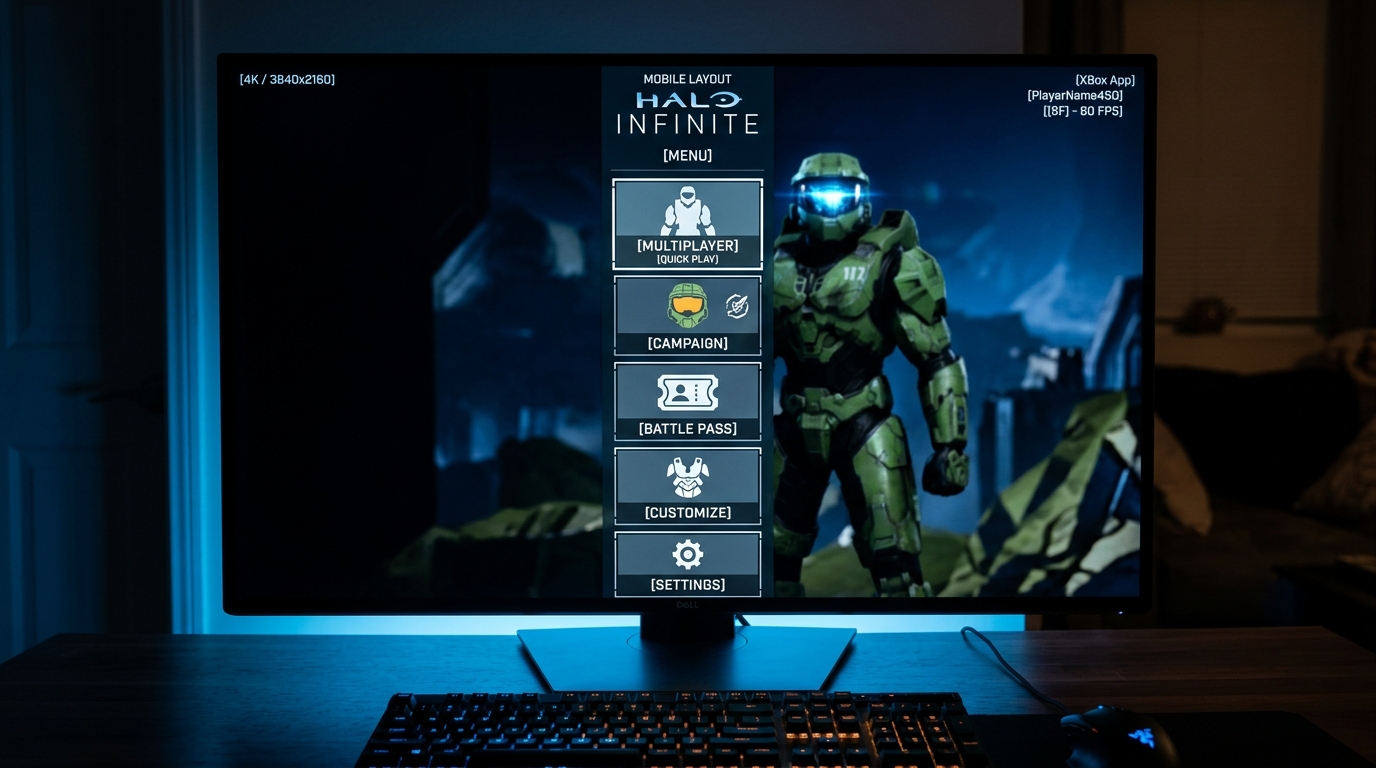
There is a special kind of madness in firing up a high end gaming PC only to find that the main menu looks like it was designed for a toddler with a cracked iPad. We see this trend everywhere now, especially in AAA titles that insist on using those horizontal, tile based streaming style menus that require five miles of scrolling just to find the settings. It is a lazy, one size fits all approach that treats your ultra wide monitor like a vertical smartphone screen. Instead of using the massive real estate of a desktop setup, developers are forcing us to navigate through oversized buttons that were clearly meant for a thumb rather than a precision mouse.
The result of this design philosophy is a wasteland of massive white space and hidden submenus that make simple tasks feel like a chore. You end up clicking through four different layers of “fat finger” icons just to change your resolution or equip a new skin because the UI designer forgot that keyboards have more than one button. This blandification of interfaces stripped away the personality of classic game menus in favor of a sterile, corporate look that feels more like a streaming app than a piece of entertainment. It is an insulting waste of screen space that prioritizes cross platform convenience over the actual user experience of the person sitting at the desk.
When you see a menu that requires horizontal scrolling to see basic information, you know the developers have given up on the desktop audience. These layouts are built to be easily navigated with a console controller or a touchscreen, leaving the PC player to deal with clunky, unresponsive grids that feel completely detached from the game world. It is the peak of industry nonsense to spend millions on graphics only to hide the experience behind a UI that looks like a budget SaaS dashboard. We should be getting dense, information rich interfaces that respect our hardware, not a blown up mobile app that treats a thirty inch screen like a tiny window.
Blandification And The Death Of Style
Walking into the menu of a modern AAA shooter shouldn’t feel like I am about to file my quarterly taxes or manage a spreadsheet for a logistics firm. We have entered a dark era of blandification where every high budget title has abandoned its soul in favor of a generic aesthetic. It is a world of sterile black backgrounds, identical Bento grid layouts, and that inescapable font that has become the default for every generic accounting app on the planet. Instead of immersive art that sets the tone for an epic battle, we are greeted by cold, hyper functional rectangles that look like they were designed by a committee of middle managers obsessed with efficiency metrics.
The most egregious offender in this trend is the rise of the horizontal scroll, a navigation nightmare that prioritizes looking clean over actually being usable. It is a lazy byproduct of mobile first design being stretched across a massive desktop monitor, resulting in oceans of wasted white space and menus that require ten clicks to find a basic setting. Designers are so terrified of clutter that they have scrubbed away every ounce of personality, leaving us with interfaces that are technically clean but emotionally dead. When I launch a game about space marines or high stakes heist crews, I want a UI that reflects that world, not a UI that looks like a template for a minimalist task management tool.
This industry wide shift toward soulless uniformity is a classic case of enshittification where the user experience is sacrificed for the sake of looking modern and corporate. By stripping away unique visual identities, developers are making it harder for players to actually connect with their brands or navigate menus intuitively. We are paying seventy dollars for premium entertainment, yet we are being served a user interface that feels like a free trial for a project management suite. It is time to stop pretending that being bland is the same thing as being sophisticated and bring some actual style back to our gaming displays.
Death by a Thousand Horizontal Tiles
The reality is that modern AAA menus have become a bloated, horizontal nightmare that feels more like browsing a streaming service than preparing for a digital firefight. Developers have clearly traded the efficiency of a vertical list for these oversized, image heavy tiles that prioritize engagement metrics over actual player speed. It is honestly exhausting to navigate through three layers of submenus just to change a basic audio setting or check a quest log. We are not here to scroll through a curated gallery of microtransactions disguised as a home screen. If I wanted to spend twenty minutes aimlessly scrolling through a grid of colorful boxes, I would just open a movie app and fall asleep on my couch.
Stop treating our monitors like sixty inch touchscreens and start designing interfaces that respect a mouse and keyboard or a standard controller. This trend of mobile first design on a high end desktop is a lazy shortcut that results in miles of wasted white space and clunky navigation. We need to move back to functional, snappy layouts that get us into the action within seconds rather than forcing us to play a minigame of hide and seek with the exit button. Visual flair is nice, but it should never come at the cost of a console gaming experience that actually functions. Give us back the menus that let us play the game instead of trapping us in a cycle of corporate approved aesthetic nonsense.
Frequently Asked Questions
1. What exactly is the Hulu Effect in modern gaming?
It is the misguided trend of making game menus look like streaming services instead of functional software. You end up with giant, oversized tiles and endless horizontal scrolling that turns finding your save file into a tedious chore.
2. Why is everyone using these black and white Bento grids?
Designers have traded personality for a sterile, corporate template that looks the same on every single app. It is a lazy shortcut that prioritizes a clean screenshot over a user actually being able to find the settings menu.
3. Is desktop UI getting worse because of mobile phones?
Absolutely, because developers are obsessed with mobile first layouts that leave desktop users with giant icons and massive amounts of wasted white space. It feels like you are trying to use a professional workstation to run a Fisher Price interface.
4. What does Enshittification mean for the average user?
It is the intentional degradation of your user experience just to squeeze out more profit for the company. They make the interface more frustrating and cluttered specifically to push ads or subscriptions down your throat. This often contributes to live service game fatigue where players feel overwhelmed by the constant push for engagement.
5. Why are buttons becoming invisible in modern apps?
Minimalism has gone off a cliff, leading designers to hide essential functions behind mystery icons or no icons at all. They call it simplicity, but in reality, it is just arrogant design that requires a manual to perform basic tasks.
6. Why is horizontal scrolling considered a design failure?
It is like trying to read a book through a mail slot because you can only see one or two items at a time. Vertical lists are objectively superior for scanning information, yet we are stuck flicking thumbsticks across a never ending row of garbage.
7. Can we go back to the days of Clippy and better UI?
While Clippy was annoying, at least he had a personality and didn’t feel like a cold, sterile void. Modern UI needs to stop acting like a spreadsheet and start remembering that human beings with intuition are the ones actually using the software.