
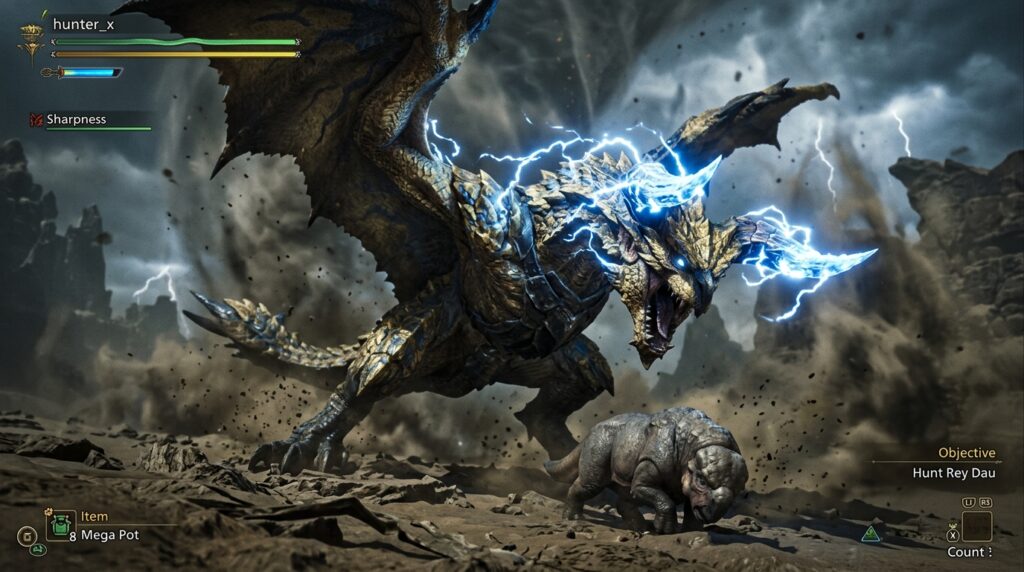
It has been over a year since we first touched down in the Forbidden Lands, and the monster hunter wilds monster list has grown into a beautiful, terrifying nightmare. Whether you are getting whipped into submission by Arkveld’s chain-appendages or trying not to get fried by Rey Dau’s lightning, the variety here is enough to make any veteran hunter sweat. We started with 29 large monsters on launch day, but the post-launch updates have turned this game into a massive logistical puzzle of “how many ways can I get stepped on?”
The real stars of the show are the Guardian variants, which are essentially a way of saying, “We liked this monster, but we thought it needed more crystalline growths and a personal vendetta against your health bar.” These suped-up freaks add a layer of mechanical depth that makes the standard hunts look like a walk in the park with a very angry cat. From the apex predators ruling the Windward Plains to the leviathans haunting the Scarlet Forest, the current ecosystem is a chaotic masterpiece of design that actually rewards you for paying attention instead of just button-mashing your way to a new pair of pants.
Key Takeaways
- The Monster Hunter Wilds roster prioritizes mechanical depth over sheer quantity, featuring 29 large monsters at launch and a sophisticated ecosystem that rewards environmental awareness and tactical play.
- Flagship monsters like Arkveld and apex predators like Rey Dau introduce innovative combat styles, moving away from traditional wyvern patterns to utilize unique appendages and weather-based mechanics.
- Guardian variants provide a challenging endgame by adding crystalline growths and complex new move sets to existing species, transforming standard hunts into high-stakes mechanical puzzles.
- The Forbidden Lands ecosystem successfully balances nostalgic fan favorites with experimental new designs, such as the silk-weaving Lala Barina and the rock-wielding Chatacabra.
New Forbidden Lands Apexes And Flagship Freaks
The Monster Hunter Wilds monster list is finally out in the wild, and it seems the developers decided to stop playing it safe with their creature designs. Leading the pack is Arkveld, the White Wraith, which looks like someone gave a Flying Wyvern a set of sentient whip-chains and told it to ruin your weekend. While flagship monsters usually rely on brute force, this thing uses its unique appendages to turn the battlefield into a high speed blender of pain. It is a refreshing departure from the usual fire breathing suspects we have seen for decades. If you enjoy being slapped across the map by a monster that fights like a Castlevania protagonist, Arkveld is going to be your new best friend.
Then we have the Rey Dau, the resident lightning rod of the Windward Plains that takes the concept of an apex predator quite literally. This beast does not just shoot sparks; it channels electricity through massive blue crystals on its head to act as a living railgun. Watching it pivot and fire a concentrated beam of high-voltage spite is a spectacle that makes the old Rathalos fireball look like a damp firework. It is the kind of design that rewards you for paying attention to the environment, though you will mostly just be trying not to get fried. The developers clearly leaned into the weather mechanics here, making the Rey Dau feel like a natural, terrifying extension of the storm itself.
Rounding out the heavy hitters is Uth Duna, the leviathan that rules the Scarlet Forest with an oily grace that is honestly a bit unsettling. This apex predator uses its moisture-slicked body to slide through the environment, proving that leviathans are still the most frustratingly mobile class in the game. The visual design is top tier, featuring a shimmering, translucent look that actually serves a purpose during its more aggressive phases. It is a far cry from the clunky underwater combat of the past, focusing instead on high speed land maneuvers and area denial. If these three are the benchmark for the rest of the roster, we are in for a very sweaty, very rewarding hunting season.
Guardian Variants And Crystalline Power Creep
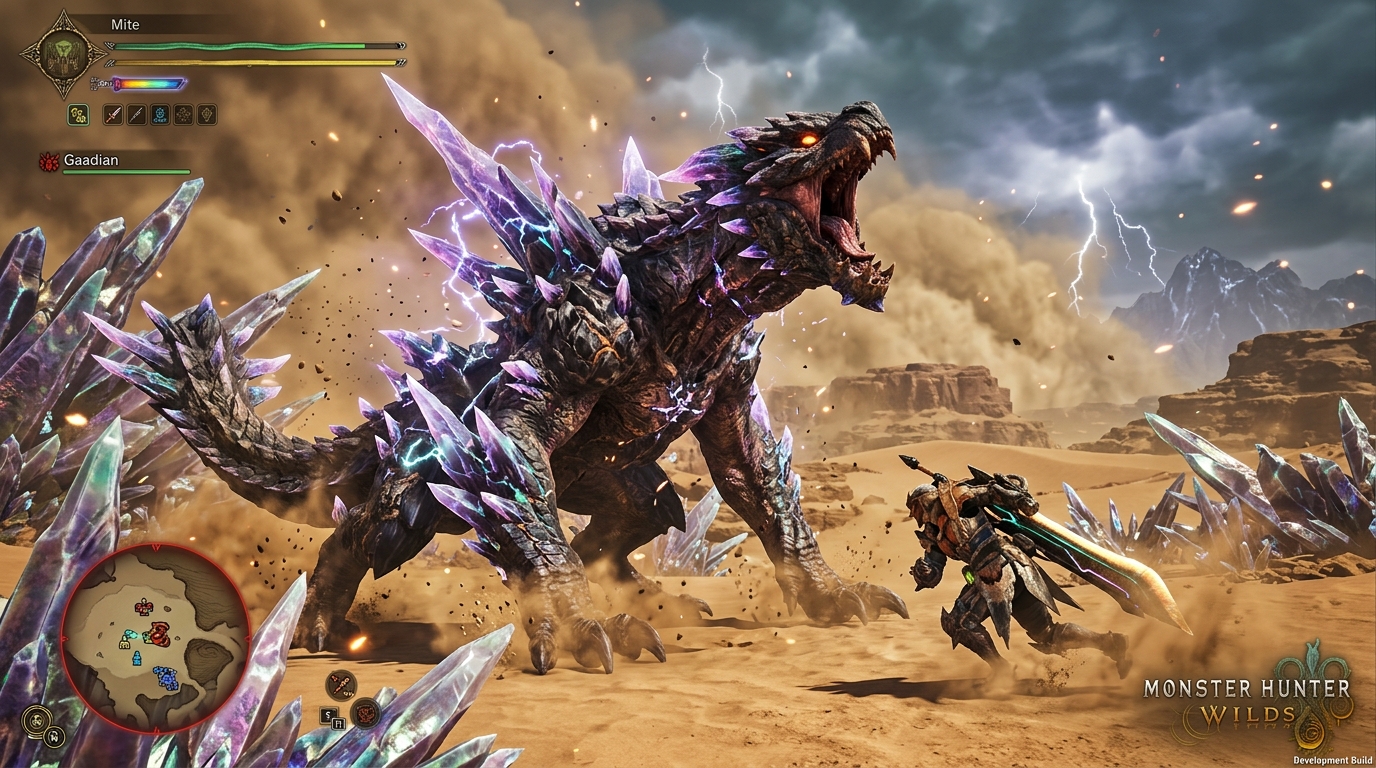
The Monster Hunter Wilds monster list has officially crossed the one year mark, and I am finally ready to call out the Guardian variant mechanic for what it actually is. When the first teasers for these story-significant glow-ups dropped, I was worried we were looking at a glorified return of systems that just slapped a shiny coat of paint and some extra health on a tired frame. Instead, the Forbidden Lands gave us these crystalline monstrosities that actually force you to change how you play. It is not just about the extra health bars, as the new mechanics tied to those jagged growths make the fights feel like a frantic puzzle rather than a mindless grind. While some might call them a shortcut to padding out the roster, I find the increased aggression and environmental interaction to be a massive step up from previous titles.
The real controversy lies in the crystalline power creep that these variants introduced to the endgame. Fighting a Guardian Rey Dau is a visual treat until you realize that its lightning strikes now cover half the arena and leave lingering hazards that make your old armor sets feel like they are made of wet cardboard. It is a bold move to tie so much of the narrative weight to what are essentially “super” versions of existing species, but the unique movesets usually save them from feeling like lazy palette swaps. I will admit that seeing a familiar monster sprout glowing crystals can occasionally feel like a Saturday morning cartoon upgrade, yet the sheer intensity of the encounters keeps me from rolling my eyes too hard. If this is the price we pay for a more cohesive story within the hunt, I am willing to let the occasional neon-colored reskin slide.
Returning Fan Favorites Versus The New Blood
The Forbidden Lands roster is a chaotic blend of “who invited this guy” and “thank goodness you are back.” The developers clearly decided that standard dragons were too boring for 2025, giving us the Chatacabra, a large, sticky-tongued gorilla-frog that uses its own spit to glue rocks to its arms like a budget superhero. It is the kind of weird, punchable design that makes this series great, especially when contrasted against the elegant lethality of the flagship Arkveld. While the newcomers bring the freak show energy, seeing returning legends provides the much-needed reality check that reminds us why we started swinging oversized bone swords in the first place.
Lala Barina is perhaps the most offensive example of this beautiful madness, masquerading as a giant, terrifying silk-weaving Lala Barina spider that will absolutely trigger everyone’s arachnophobia. It is a masterpiece of “gross but cool” design, fluttering around with a grace that makes you feel bad for smashing its face in with a hammer. Then you have the Uth Duna, the apex of the Scarlet Forest, which proves that the team still knows how to make a Leviathan that feels genuinely oppressive. These new additions do not just fill out the list, they actively try to outshine the classics by being as mechanically annoying and visually stunning as possible.
Despite the shiny new toys, the return of fan favorites feels like a warm hug from a monster that wants to eat you. There is a specific brand of satisfaction in seeing a classic wyvern rendered in the new engine, reminding us that some designs are simply timeless. The balance between the freakish newcomers and the established icons keeps the hunt from feeling like a repetitive chore. Whether you are getting flattened by a sticky frog tongue or dodging a familiar tail swipe, the roster manages to feel fresh without abandoning the series’ roots.
A Roster Worth the Carpal Tunnel
The Monster Hunter Wilds monster list strikes a rare balance between nostalgia bait and genuine evolution, making it nearly impossible to put down the controller. With 29 large monsters at launch and a steady stream of updates since February 2025, the variety is deep enough to justify the endless gear grind. Seeing Arkveld swoop in with those terrifying chain-like appendages for the first time is a core memory that actually lives up to the hype of a flagship reveal. The Forbidden Lands originals feel like they belong in this ecosystem rather than just being recycled assets from previous generations. The developers did not just play it safe by padding the roster with color-swapped subspecies, and that level of effort deserves a toast.
The introduction of Guardian variants was the masterstroke that saved the end-game from becoming a repetitive chore. These crystalline nightmares take familiar skeletons and turn them into mechanical puzzles that require more than just mindless button mashing. Fighting a lightning-charged Rey Dau in the middle of a sandstorm provides the kind of chaotic intensity that reminds you why you started hunting in the first place. Some might complain that thirty-ish monsters is not enough for a lifetime of play, but the quality of these encounters beats a bloated roster of forgettable birds any day. If you are still on the fence about whether to sharpen your blade, stop overthinking and get to the Forbidden Lands already.
Ultimately, this roster delivers exactly what it promised by focusing on impactful designs over sheer quantity. The transition from the Windward Plains to the Scarlet Forest feels earned because the apex predators like Uth Duna actually force you to change your tactics. While I will always advocate for more weird bugs and fewer wyverns, the sheer personality of the new species keeps the loop feeling fresh even after hundreds of hours. You can safely keep your Great Sword off the wall for another season because this lineup has plenty of teeth left. It is a rare win for a franchise that could have easily rested on its laurels but chose to innovate instead, which explains why most monster hunter clones are extinct while the original continues to dominate the genre.
Frequently Asked Questions
1. How many large monsters are actually in the game?
We kicked things off with a solid 29 large monsters on launch day. Thanks to the steady stream of post-launch updates, that number has ballooned into a massive roster that will keep you busy for hundreds of hours.
2. What makes Arkveld different from other flagship monsters?
Arkveld is a freak of nature that uses sentient whip-chains instead of just breathing fire like every other boring wyvern. It fights like a Castlevania protagonist on a caffeine bender, turning the entire battlefield into a high speed blender of pain.
3. Are the Guardian variants actually worth hunting?
Guardian variants are a way of giving existing monsters a personal vendetta against your health bar using crystalline growths and new mechanics. They offer way more depth than the standard hunts, so do not expect to just button-mash your way to victory.
4. Which regions host the most dangerous apex predators?
You will find the heavy hitters ruling the Windward Plains and the leviathans haunting the Scarlet Forest. These ecosystems are designed to punish you if you are not paying attention to your surroundings.
5. Is the Monster Hunter Wilds monster list better than previous games?
The developers finally stopped playing it safe and delivered a lineup that prioritizes mechanical depth over lazy design. The variety of skeletons and attack patterns makes the previous rosters look like a practice run.
6. Can I survive these hunts by just being aggressive?
No, because the Forbidden Lands ecosystem actually rewards intelligence over mindless swinging. If you try to treat an apex predator like a training dummy, you are going to spend more time riding the cart than actually carving trophies. Our Monster Hunter Wilds preview explores how these dynamic systems truly evolve the series.