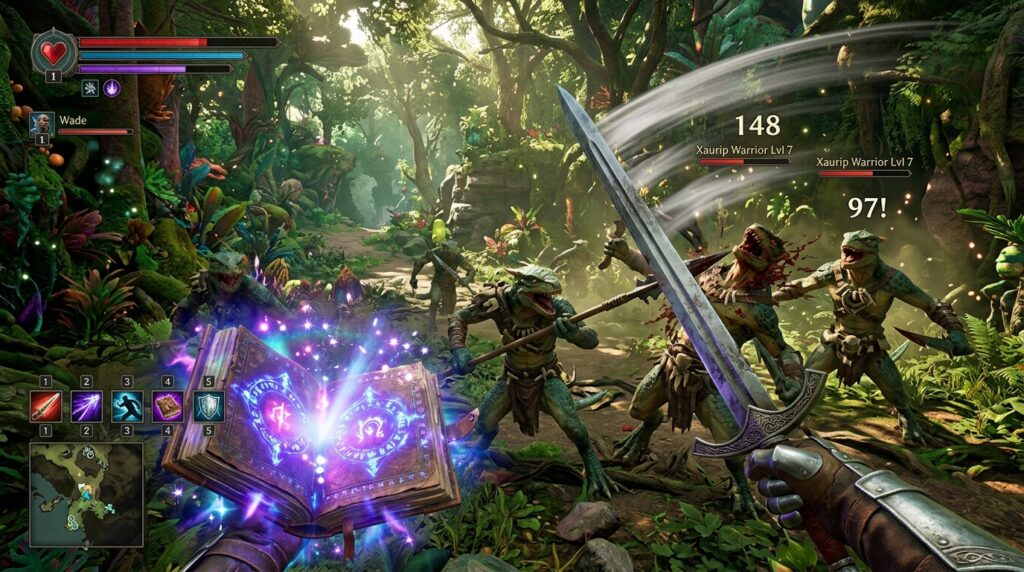
Obsidian is finally letting us return to Eora, but this time they’ve traded the isometric spreadsheets for a first-person perspective that actually looks like it has some weight behind it. The avowed combat mechanics ditch the outdated “pick a class and stay in your lane” philosophy in favor of a glorious, chaotic free-for-all. You aren’t just a fighter or a wizard; you’re a walking toolkit capable of smashing skulls with a mace while simultaneously freezing the survivors with a wand glued to your other hand.
This isn’t about clicking an enemy and watching a cooldown bar move at the speed of a tectonic plate. The system leans heavily into real-time physics and tactical loadouts, allowing you to swap between entire weapon sets the moment a plan goes sideways. Between the visible stun meters and the ability to mix archetypes like a mad scientist, it feels like the developers actually remembered that hitting things in a fantasy world should be fun. It’s a refreshing lack of corporate hand-holding that rewards you for being creative rather than just following a build guide.
Key Takeaways
- The classless ability system eliminates rigid archetypes, allowing players to freely mix skills from Fighter, Ranger, and Wizard trees to create custom hybrid builds without restarting the game.
- Combat focuses on tactical loadout swapping and dual-wielding, enabling players to instantly transition between diverse weapon combinations like wands, pistols, and shields to adapt to any encounter.
- A dedicated stun meter mechanic adds strategic depth to first-person combat, rewarding players for using elemental synergies and heavy strikes to stagger enemies for powerful special attacks.
- Enhanced physics and hit registration provide a sense of weight and impact, moving away from the ‘floaty’ feel of traditional first-person RPGs through meaningful hit-stop and reactive enemy animations.
The Classless Freedom Of Eora Ability Trees
Avowed is finally letting us ditch the dusty old trope where picking a class at the start of a game feels like signing a binding legal contract. Instead of being locked into a single identity, the classless ability system for Fighter, Ranger, and Wizard functions more like an open buffet of violence where you can grab whatever looks tasty. This classless approach is a massive win for anyone who has ever suffered from character creator paralysis or realized twenty hours in that they actually hate being a glass cannon. You can spend your points across all three trees simultaneously, meaning your “Wizard” can suddenly decide that a heavy shield and a bad attitude are better than a robe and a staff. It is a refreshing departure from the rigid roles that usually force you to restart the entire game just to try out a different playstyle.
The real magic happens when you start mixing these abilities to create hybrid builds that would make a traditional dungeon master weep. There is something undeniably satisfying about freezing an enemy solid with a Wizard spell and then immediately shattering them into ice cubes with a massive two handed axe from the Fighter tree. Because you can swap between loadouts instantly, you are never stuck waiting for a cooldown while an enemy chews on your face. You might start a fight by sniping from the shadows with a pair of pistols before closing the gap with a sword and a wand to finish the job. This flexibility turns the combat into a personal playground where your creativity matters more than following a pre-set build guide found on a forum.
While some skeptics worry that a Jack of all trades system leads to a shallow experience, the synergy between these skills feels surprisingly tight and intentional. The inclusion of a stun meter beneath enemy health bars adds a layer of tactical weight that keeps the first person combat from feeling like you are just swinging a pool noodle at a ghost. You are constantly looking for ways to build that meter using a combination of physical strikes and elemental debuffs to open up a window for a devastating special attack. It is a system that rewards you for actually thinking about your gear transitions rather than just spamming a single click until the loot drops. If the final product maintains this level of fluid variety, we might finally get a first person RPG that respects our intelligence as much as our reflexes.
Dual Wielding Loadouts And Tactical Weapon Swapping
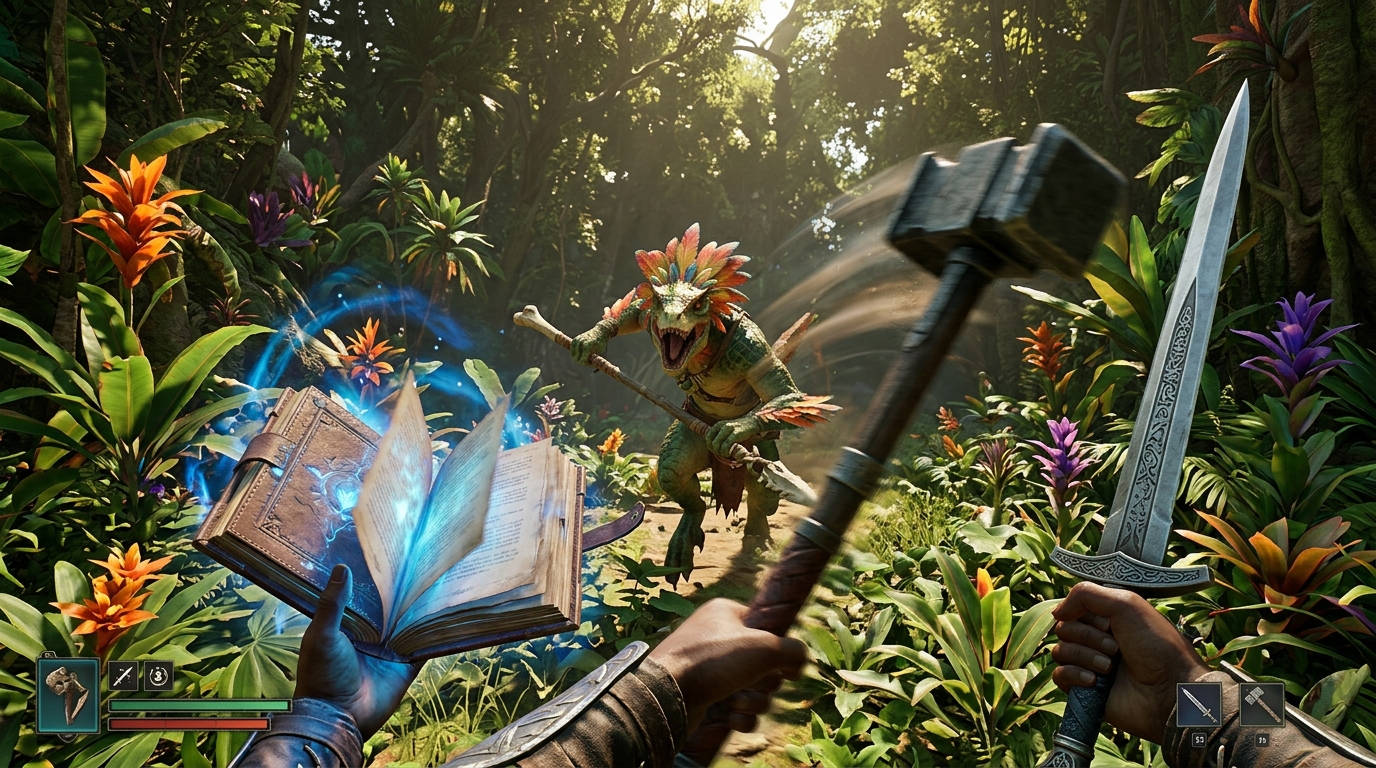
If you have ever dreamt of being a wizard who also packs heat, the dual-wielding system in this game is basically your fever dream come to life. You can strap a wand to one hand and a flintlock pistol to the other, essentially turning yourself into a magical gunslinger who refuses to choose a lane. The open class system means you are not stuck playing a fragile bookworm or a meat-headed warrior, allowing for some genuinely unhinged equipment combinations. While some games make you feel like you are juggling chainsaws when you try to mix playstyles, the freedom here feels intentional rather than a happy accident. It is the kind of tactical chaos that rewards you for being creative instead of punishing you for not following a build guide.
The real test of any first-person action game is whether the gear-swapping feels like a smooth transition or a clunky mess that gets you killed. Fortunately, the tactical loadout swapping seems to keep the momentum going without the stuttering pauses that usually plague these types of hybrid systems. You can soften an enemy up with a barrage of spells from your wand and then immediately swap to a shield and axe once they get too close for comfort. This fluidity is vital because it prevents the combat from devolving into a floaty experience where your weapons feel like they have no weight. By leaning into these quick transitions, the game avoids the trap of feeling like a sluggish menu simulator during a heated boss fight.
What really ties the whole experience together is how these loadouts interact with the stun meter sitting right under the enemy health bars. You aren’t just clicking until a number hits zero, you are actively managing your weapon swaps to maximize impact and trigger special attacks. Filling that meter with a heavy shield bash before unloading a dual-pistol volley is the kind of power trip that makes the first-person perspective actually worth it. It is a refreshing change of pace to see a combat loop that values player aggression and smart gear choices over just standing still and trading blows. If the final product keeps this level of responsiveness, we might finally have a fantasy RPG that treats first-person combat as more than just an afterthought.
Elemental Synergies And The Stun Meter Grind
The combat in Avowed lives and dies by the elemental interactions, particularly the satisfying loop of freezing a target solid before shattering them into a million icy shards. When you successfully line up a frost spell and follow it with a heavy physical strike, the visual feedback is punchy enough to quiet some of the fears about floaty first person melee. It is a classic combo that Obsidian has polished to ensure that your hits actually feel like they have weight behind them. You are not just swinging at air here, because the game rewards that specific timing with a crunch that sounds as good as it looks. The synergy between a wand in one hand and a mace in the other turns the battlefield into a playground for physics based destruction.
Everything in the encounter design revolves around that dedicated stun meter ticking up beneath the health bar, which acts as the ultimate gatekeeper for your big damage moments. You spend a good chunk of every fight grinding that meter down with standard attacks, which can occasionally feel like you are hitting a brick wall until the gauge finally tops out. Once it fills, however, the transition into a special attack provides a necessary jolt of adrenaline that breaks up the rhythm of basic swings. It is a predictable loop, but it works because it forces you to actually engage with the mechanics rather than just mindlessly clicking until things die. The system relies heavily on you caring about that meter, making the combat feel more like a tactical dance than a chaotic brawl.
Whether this loop stays fresh for twenty hours or becomes a repetitive chore is the real question hanging over the experience. The impact of the special attacks is undeniable, but the journey to get there requires a lot of patience with the standard wind up animations. If you enjoy the methodical process of setting up a big payoff, the stun to special attack pipeline will likely keep you hooked. It is a far cry from the skill bloat found in older genre staples, though it definitely demands a level of focus that some players might find exhausting. At its best, the system makes you feel like a calculated powerhouse, even if the road to that empowerment involves a fair amount of meter management.
First Person Weight And The Floaty Combat Verdict
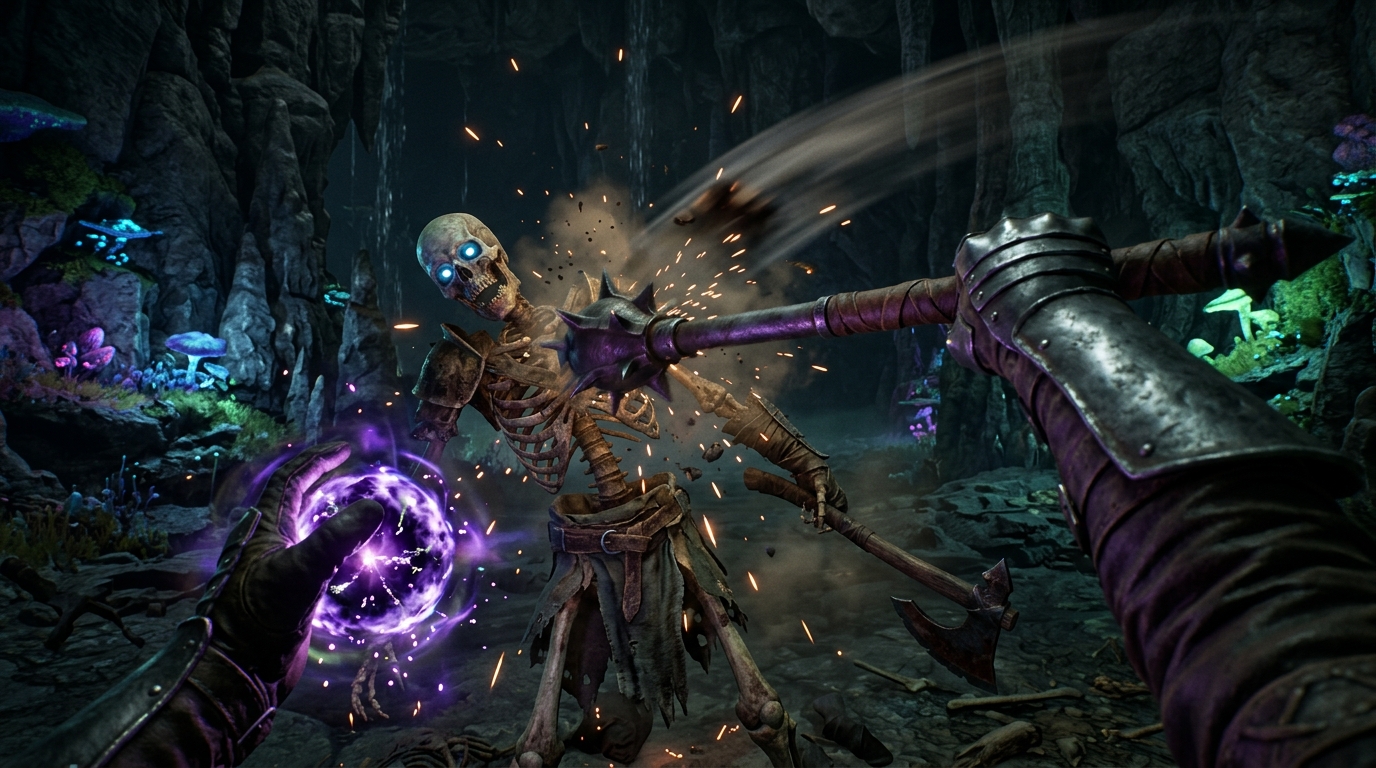
Let’s be honest, first person melee combat is usually about as satisfying as hitting a brick wall with a pool noodle. We have all endured those floaty animations where your sword passes through an enemy like they are made of lukewarm mist, leaving you wondering if you actually connected or just waved politely at their hitboxes. Obsidian knows the skeptical eyes are on them, especially with the weightless legacy that has defined this genre for over a decade. The big question for Avowed is whether your mace feels like a heavy hunk of iron or a cardboard prop from a middle school play.
The good news is that the hit registration finally feels like it has some actual teeth. When you swing a two handed axe or bash a shield into a skeleton, there is a visible flinch and a satisfying crunch that suggests the game actually understands physics. They have moved away from the “swinging at air” feel by adding meaningful hit-stop and camera shakes that sell the impact without making you motion sick. It is a massive step up from the sliding, skating combat of the past where enemies just absorbed damage while standing perfectly still.
The animation work bridges the gap between high fantasy flair and grounded reality, particularly when you start mixing in the wizardry. Swapping from a sword to a wand feels snappy rather than clunky, and the way enemies react to the stun meter creates a rhythmic flow to the violence. You aren’t just clicking a mouse until a health bar disappears, you are actively managing the stagger and physical presence of the monsters in front of you. While it might not be a revolutionary simulation of medieval warfare, it successfully kills the floaty ghost that has haunted first person RPGs for far too long.
Tactile Carnage That Actually Feels Heavy
Ultimately, Avowed’s combat succeeds because it prioritizes tactile feedback over the floaty, weightless swinging that often plagues first-person RPGs. While some skeptics feared a clunky mess, the inclusion of the stun meter and the ability to swap loadouts on the fly creates a rhythm that feels more like a modern action game than an ancient dungeon crawler. You aren’t just clicking on a hitbox until a health bar disappears, you are actively managing crowd control while weaving spells between sword swings. It is a punchy, responsive system that rewards players for actually paying attention to their positioning rather than just spamming the attack button.
If you are still clutching your decade-old copy of that other famous dragon-slaying simulator, it might be time to finally let go of the life support. Obsidian’s classless approach means you can stop restarting the game every time you want to try a new playstyle, which is a massive win for anyone with a busy schedule. The dual-wielding combinations, specifically mixing wands with pistols or shields, offer a level of creative chaos that makes traditional fantasy combat feel incredibly stiff by comparison. It is a refreshing evolution that proves you can have depth and complexity without needing forty different community-made patches just to make the hitting feel impactful.
Is it a perfect masterpiece that will redefine the genre forever? Probably not, but it is a hell of a lot more fun than retreading the same frozen tundras for the thousandth time. The mechanics are tight, the hybrid builds are genuinely interesting, and the game respects your intelligence enough to let you break the mold. If you want a combat system that actually feels like it belongs in this decade, Avowed is absolutely worth your time. Put down the mods, step away from the nostalgia, and give this one a fair shake because it genuinely delivers on the promise of first-person fantasy action.
Frequently Asked Questions
1. Is Avowed going to force me into a boring character class?
No, and thank the gods for that. You can pull abilities from the Fighter, Ranger, and Wizard trees whenever you want, meaning you can stop being a generic archer the second you decide a fireball sounds more fun.
2. Can I actually use magic and melee weapons at the same time?
You absolutely can, and you should. The dual-wielding system lets you glue a wand to one hand and a mace to the other, turning you into a chaotic blender of physical and arcane violence.
3. How does the combat feel compared to those old-school isometric games?
It feels like you actually have skin in the game instead of just watching a spreadsheet move. The first-person perspective uses real-time physics and weight, so hitting an enemy feels like an impact rather than a math equation.
4. What happens if my current weapon loadout isn’t working against a boss?
You just swap it out on the fly. The game rewards tactical flexibility by letting you switch between entire weapon sets the moment a plan goes sideways, so you never feel stuck with a bad build.
5. Are there stun mechanics to help manage groups of enemies?
Yes, there are visible stun meters that actually let you see how close an enemy is to a mental breakdown. It adds a layer of strategy that keeps the combat from becoming a mindless button-masher.
6. Do I have to restart the game if I want to try a different playstyle?
Absolutely not, unless you just enjoy sitting through intro cutscenes. Because the ability trees are open to everyone, you can pivot your entire combat strategy mid-game without losing twenty hours of progress.