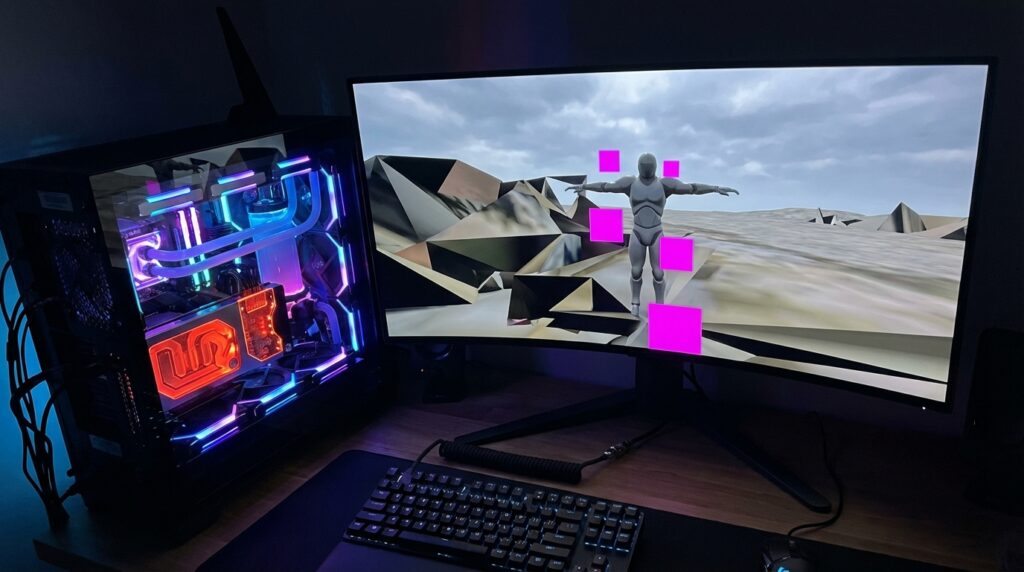
I remember when video games were about shooting aliens in the face, not slowly trudging through an empty house while a sad British narrator reads you a diary. Somewhere along the line, the industry decided the ultimate form of high art was removing the jump button and replacing it with scattered audio logs. We used to laugh at pretentious walking simulators. We slapped that label on anything that dared to launch without a health bar or a fail state. But against all odds, developers took that insult as a challenge, reclaiming the genre to create some bizarrely compelling experiences.
Instead of dodging bullets, your only real objective is to exist in an atmospheric void and pretend you understand the developer’s abstract metaphors about grief. Sure, a lot of these titles are just interactive screensavers designed for people who own too many turtlenecks. But the genuine standouts actually push the medium forward. Stripping away combat forces a game to survive purely on its environmental storytelling. Surprisingly, that avant-garde gamble sometimes pays off.
Key Takeaways
- Stripping away traditional mechanics like combat and fail states does not automatically elevate a video game to high art.
- Forced slow walking speeds are a manipulative design trick used to artificially pad a game’s runtime and force cinematic immersion.
- Relying on scattered audio logs and diary entries is a lazy substitute for actual narrative development and animated storytelling.
- Despite the genre’s flaws, removing combat can occasionally result in a compelling experience if the developer truly masters environmental storytelling.
The Torture Of Forced Slow Walking Speeds
There is a special circle of hell reserved for developers who think stripping away my sprint button makes their game a masterpiece. We have somehow reached an era where moving at the speed of a sedated snail equates to high art. You press the forward key, and your character lumbers ahead like they are wading through waist-deep molasses while carrying a refrigerator. It is an infuriating design choice that completely disrespects your time in the name of cinematic immersion. Instead of giving me actual mechanics, these games trap me in a painfully slow stroll down an empty hallway just to hear a cryptic audio log.
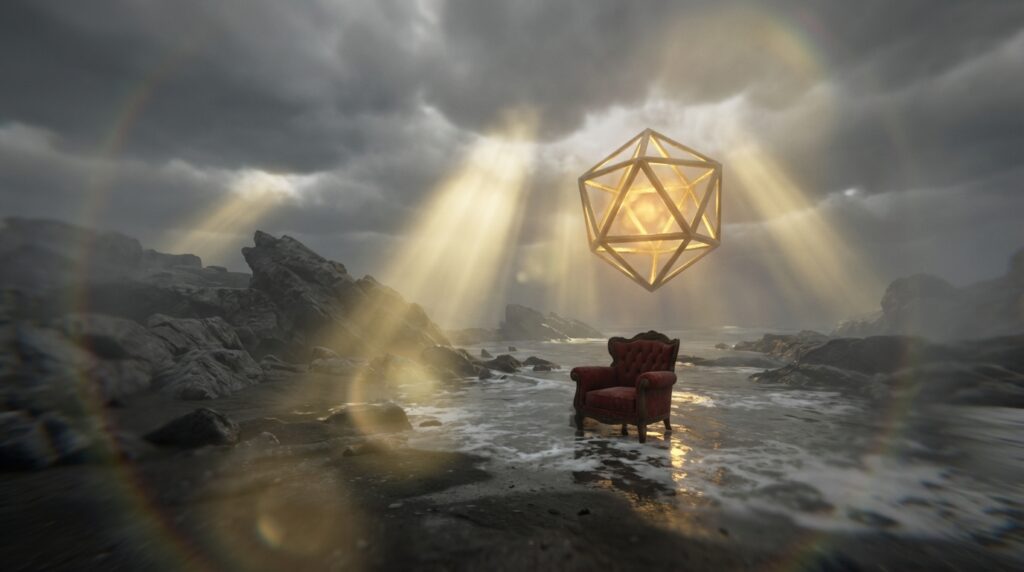
Let us be brutally honest about why this forced walking mechanic exists. Throttling my pace through a meticulously rendered forest is just a cheap trick to pad out a two-hour runtime so I cannot get a refund. These avant-garde creators desperately want you to stare at their lighting engine and ponder the philosophical meaning of a floating chair. They prioritize lofty cinematic aspirations over actual interactive gameplay. I do not need my character physically crippled to appreciate good environmental storytelling. Holding the joystick forward for ten unbroken minutes is not a compelling substitute for a plot.
The absolute worst part is when a game teases you with a vast open area but restricts your pace to an arthritic shuffle. You can practically hear the director screaming at you to stop having fun and absorb the emotional weight of the scenery. Games are supposed to be interactive. Yet these titles treat you like a captive audience member strapped to a very slow conveyor belt. If I wanted to spend hours watching a camera slowly pan across a beautifully depressing environment, I would just watch a nature documentary. Give me a sprint key, or at least give me the dignity of a fast-forward button for your unskippable monologues.
Audio Logs Masquerading As Deep Storytelling
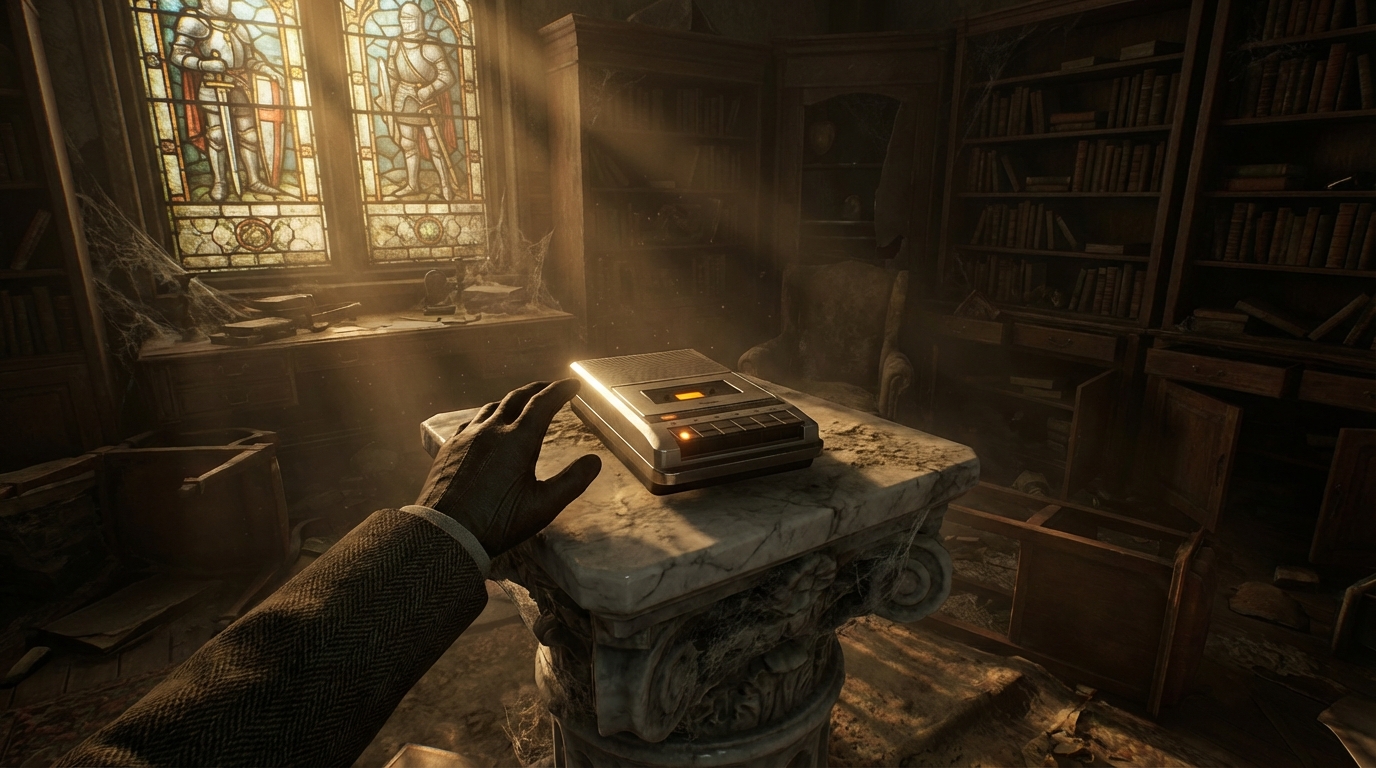
I have officially reached my breaking point with the gaming industry relying on scattered cassette tapes to deliver a narrative. Walking into a beautifully rendered but entirely empty room only to find a glowing diary entry on a desk is not deep storytelling. It is a lazy excuse to avoid animating actual characters or writing meaningful dialogue trees. Developers seem to think adding a layer of static to a voice actor whispering cryptic nonsense makes their game an avant-garde masterpiece. In reality, it just makes me feel like I am doing chores while listening to a wildly pretentious podcast.
You know exactly the type of game I mean. You spend twenty minutes slowly trudging down a meticulously detailed hallway, only to be rewarded with an audio log of some doomed scientist coughing into a microphone. Instead of letting us experience the catastrophic event firsthand, we are forced to stand still and listen to someone else describe how crazy things got right before they died. It completely shatters the fundamental rule of visual media by telling instead of showing. If I wanted to stare at a wall while a disembodied voice read a tragic backstory, I would just download an audiobook and stare at my own ceiling.
This entire design philosophy relies on the player doing the heavy lifting to piece together a fragmented, usually mediocre plot. Hiding lore in scattered sticky notes and corrupted audio files does not make your world mysterious or complex. It just proves you ran out of budget for cutscenes and decided to pass the savings onto the player in the form of extreme boredom. We play video games to interact with dynamic worlds, not to serve as unpaid archivists sorting through a fictional dead person’s messy desk. It is time for developers to start animating their stories again and leave the audio logs in the garbage bin where they belong.
Early Walking Simulators And The Illusion Of Gameplay
I remember the exact moment I realized these early walking simulators were less of a video game and more of an interactive sleep aid. You hold down the forward key, slowly trudge across a desolate island, and listen to a narrator mumble vague poetry about seagulls and car crashes. The developers somehow convinced the entire industry that removing a jump button and stripping away all meaningful player agency was a bold artistic statement. Instead of actually interacting with the world, you just trigger audio files by stepping on invisible pressure plates like a glorified museum tour guide. It set a dangerous precedent that all you need to win awards is a moody soundtrack and a script that sounds deeply profound until you actually think about it for five seconds.
This illusion of gameplay has infected an entire subgenre of cinematic experiences that desperately want to be indie films. These titles prioritize their avant-garde aspirations over anything resembling traditional entertainment value, leaving you to wander aimlessly while waiting for the next piece of environmental storytelling. Reading hastily scribbled notes left behind by deceased residents is not a substitute for actual mechanics, no matter how many tragic backstories you cram into them. We are paying good money to essentially hold a directional stick and watch a mildly depressing screensaver unfold at a glacial pace. If I wanted to be talked at for two hours while walking in a straight line, I would just go on a hike with my most annoying friend.
Critics love to defend these pretentious walking simulators by claiming they challenge the very boundaries of the medium. The only thing they are actually challenging is my patience and my rapidly dwindling grip on consciousness. There is absolutely nothing wrong with a narrative-heavy experience, but developers need to remember that we are playing a game, not attending a mandatory art history lecture. Stripping out fail states, combat, and puzzle-solving does not automatically make your creation a high-concept masterpiece. It just makes it a lazy interactive movie that forgot to include the interactive part.
The High Art of Holding Forward
Let us be perfectly clear about what we are actually buying when we boot up one of these pretentious walking simulators. We are paying forty dollars to hold the forward joystick while a brooding protagonist whispers vague philosophical nonsense into our ears. Developers have somehow convinced themselves that removing all actual gameplay mechanics automatically elevates their project into a high-art masterpiece. There is no challenge to overcome, no fail state to avoid, and absolutely no reason this story could not have been a moderately successful audio drama instead. It is genuinely baffling that the industry praises titles that actively strip away the interactive elements that make gaming such a unique medium in the first place.
If I genuinely wanted a passive, aggressively deep experience with zero fail states, I would just wander around a modern art museum for an afternoon. At least in a gallery, I can grab an overpriced coffee while I stare at a blank canvas and pretend to understand the tragic human condition. Video games are supposed to be engaging. These cinematic snoozefests treat player agency like an annoying distraction from the director’s brilliant vision. I play games to interact with a world, test my skills, or at least press more than one button every twenty minutes. Until developers remember that video games actually require gameplay, I will gladly leave these interactive screensavers in the digital bargain bin where they belong.
Frequently Asked Questions
1. What exactly is a pretentious walking simulator?
I classify a walking simulator as a game where developers stripped away the combat, the jump button, and your will to live. Instead of shooting aliens, we just wander through an atmospheric void listening to a sad British narrator read a diary. If a game replaces health bars with abstract metaphors about grief, you have found one.
2. Why are these games always so painfully slow?
There is a special circle of hell for developers who think moving at the speed of a sedated snail equals high art. They throttle your pace to pad out the runtime and force you to look at their environmental storytelling. I would rather have actual mechanics to engage with than be trapped in a molasses stroll down an empty hallway.
3. Are all walking simulators just interactive screensavers?
I admit a lot of them seem custom-built for people who own way too many turtlenecks. However, stripping away combat forces a game to survive purely on its narrative and environmental design. When developers actually put effort into those elements, we get some bizarrely compelling experiences that push the medium forward.
4. Do these games have any actual fail states?
Nope, and that is entirely by design. You cannot die, you cannot lose, and your only real objective is to simply exist within the digital real estate. I guess the only true fail state is falling asleep at your keyboard while your character lumbers toward the next cryptic audio log.
5. Why do developers keep making them if people complain?
We used to slap the walking simulator label on these games as a vicious insult, but developers bizarrely took it as a challenge. They reclaimed the genre to prove that video games can be high art without relying on dodging bullets. Plus, it is probably a lot cheaper to hire one sad voice actor than to program competent enemy AI.
6. How do I know if a walking simulator is actually worth playing?
I look for titles that respect my time instead of artificially inflating it with forced slow walking speeds. A great walking simulator uses its lack of combat to deliver incredible environmental storytelling that hooks you immediately. If you are two hours in and still waiting for the gameplay to start, just uninstall it and read a book.
7. What happened to normal mechanics like the jump button?
The industry apparently decided that jumping is for peasants and ruins the cinematic immersion of trudging through an empty house. Removing basic mobility options is just a lazy way to keep you on a strict, curated path. I still frantically mash the spacebar in these games, hoping my character will magically remember how bending their knees works.