
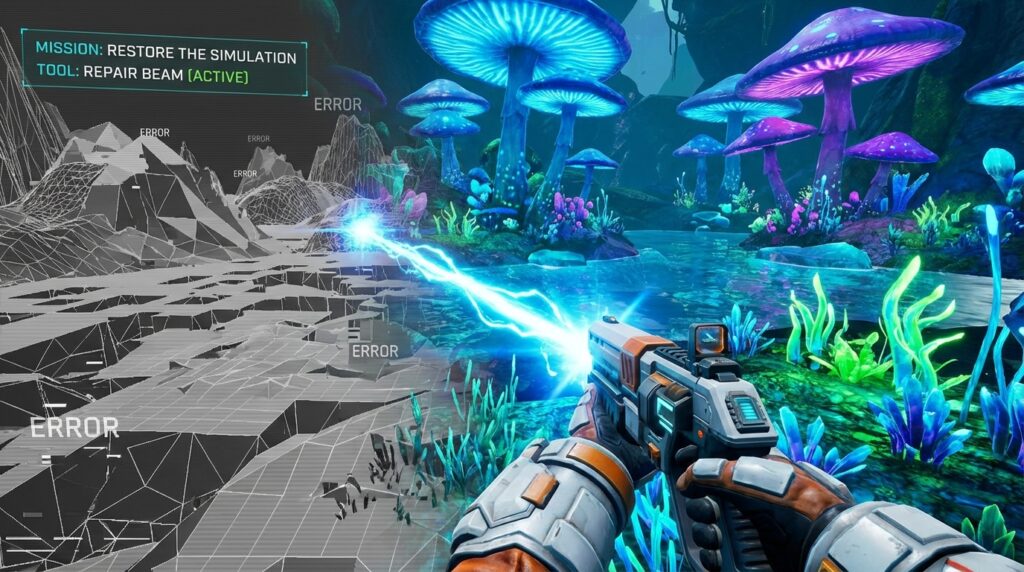
The modern gaming industry treats launch day like a mandatory paid beta test. They happily charge premium prices for the privilege of playing their broken garbage. But occasionally, a studio actually un-screws their disaster piece. They frantically patch their way out of a PR nightmare to deliver a massive redemption. It is early 2026. While the masses are busy throwing their wallets at Call of Duty: Black Ops 7 or shiny new handheld consoles, a few spectacular comebacks are quietly dominating the charts.
You have to respect a developer who looks at their burning trash fire of a release and decides to grab an extinguisher instead of just running away with our cash. Titles like Final Fantasy 7: Remake are finding incredible new life on next-gen hardware right now, proving that a catastrophic first impression isn’t always a permanent death sentence. I waded through the endless subscription-service slop and recycled annual sports sequels to find the rare second chances that actually deserve your time.
Key Takeaways
- A disastrous game launch is not always a permanent death sentence. Dedicated studios can transform broken titles into polished masterpieces through years of relentless patching and massive overhauls.
- Actions speak louder than empty PR apologies when it comes to rebuilding shattered player trust. Games like Cyberpunk 2077, No Man’s Sky, and Final Fantasy XIV earned their redemptions by ignoring the noise and delivering tangible, high-quality code.
- Stop pre-ordering video games based on corporate promises and hype. Buying on day one often means paying premium prices to act as an unpaid beta tester for a fundamentally unfinished product.
- The smartest consumer strategy in modern gaming is patience. Waiting a few years allows you to experience the fully realized, bug-free version of a game, often at a heavily discounted price.
Cyberpunk 2077 Crawls Out Of The Dumpster
I remember the launch of Cyberpunk 2077 like I remember a bad bout of food poisoning. The developers promised us a groundbreaking sci-fi utopia. What we actually got was a broken mess that crashed consoles and spawned massive lawsuits. Console manufacturers literally scrubbed the game from their digital storefronts because it was so fundamentally busted it became a global joke. It felt like the ultimate bait and switch from a studio we all trusted. Most developers would have just taken the money, issued a hollow apology on social media, and abandoned ship to start work on the next cash grab.
Instead of hiding, the developers rolled up their sleeves and spent years shoveling out the garbage they left on our hard drives. They dropped massive patches that completely overhauled the skill trees, fixed the idiotic police AI, and finally made Night City feel like a living world. These updates transformed a laughingstock into a genuinely incredible RPG experience that actually respects your time. The absolute peak of this redemption arc arrived with the Phantom Liberty expansion, delivering a gripping spy thriller. It is genuinely shocking to see a studio claw its way back from the brink of total industry exile to create one of the best games of the generation.
No Mans Sky And The Power Of Silence
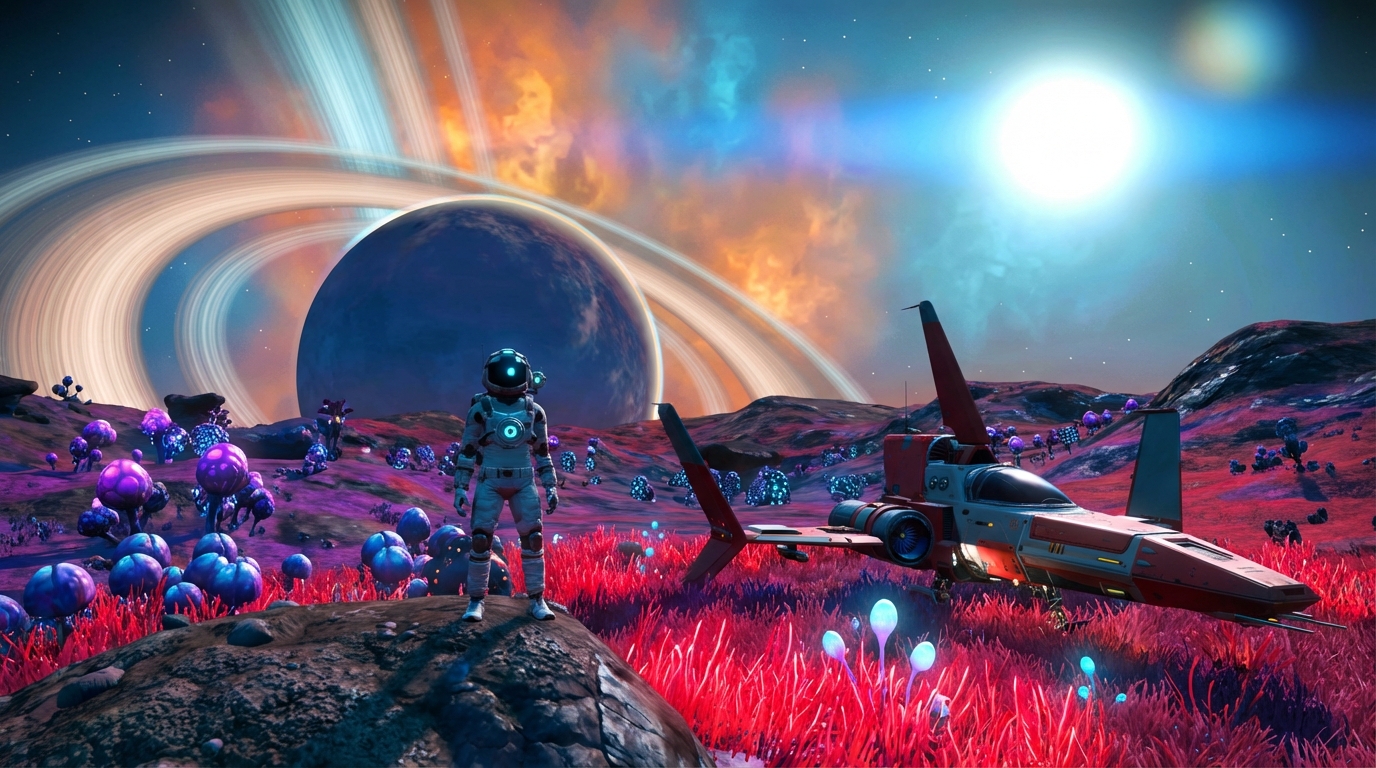
Let us take a trip back to the catastrophic launch of No Man’s Sky. It initially promised the universe but delivered a shallow puddle of repetitive planets. When the internet inevitably erupted into a toxic fireball of refund demands, the development team did something completely unheard of in the modern gaming industry. They simply shut their mouths and went back to work. Instead of releasing pathetic PR apologies on social media with sad text on a black background, the creators completely ghosted the raging mob. They understood that no amount of corporate spin or empty promises could fix a broken game. The only acceptable apology was actual, tangible code.
Fast forward a decade. This once-hated space exploration simulator has become the gold standard for how to properly resurrect a dead title. Without ever asking for another dime in paid expansions or predatory microtransactions, the studio dropped update after massive update to completely overhaul the experience. They added base building, full multiplayer, VR support, and entire fleet management systems entirely for free. They took a title that was the laughingstock of the internet and hammered it into a genuinely brilliant science fiction sandbox. It is incredibly rare to see a studio actually take accountability and put in the grueling work required to rebuild shattered trust.
Most publishers today would have abandoned ship immediately, fired the staff, and moved on to ruin another beloved franchise. This team proved that the best way to handle a disastrous launch is to ignore the noise and just fix the damn game. I genuinely respect their refusal to milk their returning player base with battle passes or premium currency. They earned their redemption through sheer stubbornness and a relentless dedication to their original vision. If any other studio wants to survive a botched release in the future, they need to take notes, log off social media, and start coding.
Fallout 76 Survives A Radioactive Launch
When Fallout 76 launched, I was convinced the publisher had actively engineered a social experiment to see how much abuse gamers would tolerate before demanding a refund. The servers were so catastrophically broken that simply walking across the map felt like a flipbook animation directed by a malfunctioning toaster. Then came the legendary canvas bag fiasco. Players who paid premium prices received cheap nylon sacks that looked like they were salvaged from a dollar store dumpster. It was a spectacular trainwreck of a release that rightfully earned every ounce of the internet’s collective rage. I wrote the game off entirely, assuming it would quietly bleed out in the irradiated dirt while we all moved on to better things.
I hate to admit when a massive corporation proves me wrong, but the developers actually put their heads down and did the impossible by fixing this radioactive mess. Over the years, they injected actual human NPCs into the barren wasteland, squashed the game-breaking bugs, and built a genuinely engaging multiplayer experience. It turns out that exploring a post-apocalyptic Appalachia with a few friends is incredibly fun when the game actually functions properly. The team deserves massive credit for refusing to abandon ship, slowly transforming a laughingstock into a thriving survival sandbox. They took a title I once used as a punchline and turned it into something I actually look forward to logging into on a Friday night.
Now, thanks to the massive success of the recent television adaptation, the Appalachian wasteland is experiencing an absolute renaissance of new and returning players. If you are one of the many fans who caught the wasteland bug from watching the series, you will be pleasantly surprised by the game waiting for you. It is no longer the broken nylon bag simulator we all mocked at launch. It is a robust, content-rich adventure that respects your time. Jumping back in feels like discovering a hidden gem buried under years of terrible PR and internet memes. It is a rare, genuine redemption story in an industry that usually prefers to take your money and run.
Final Fantasy XIV Literally Nukes Its Past
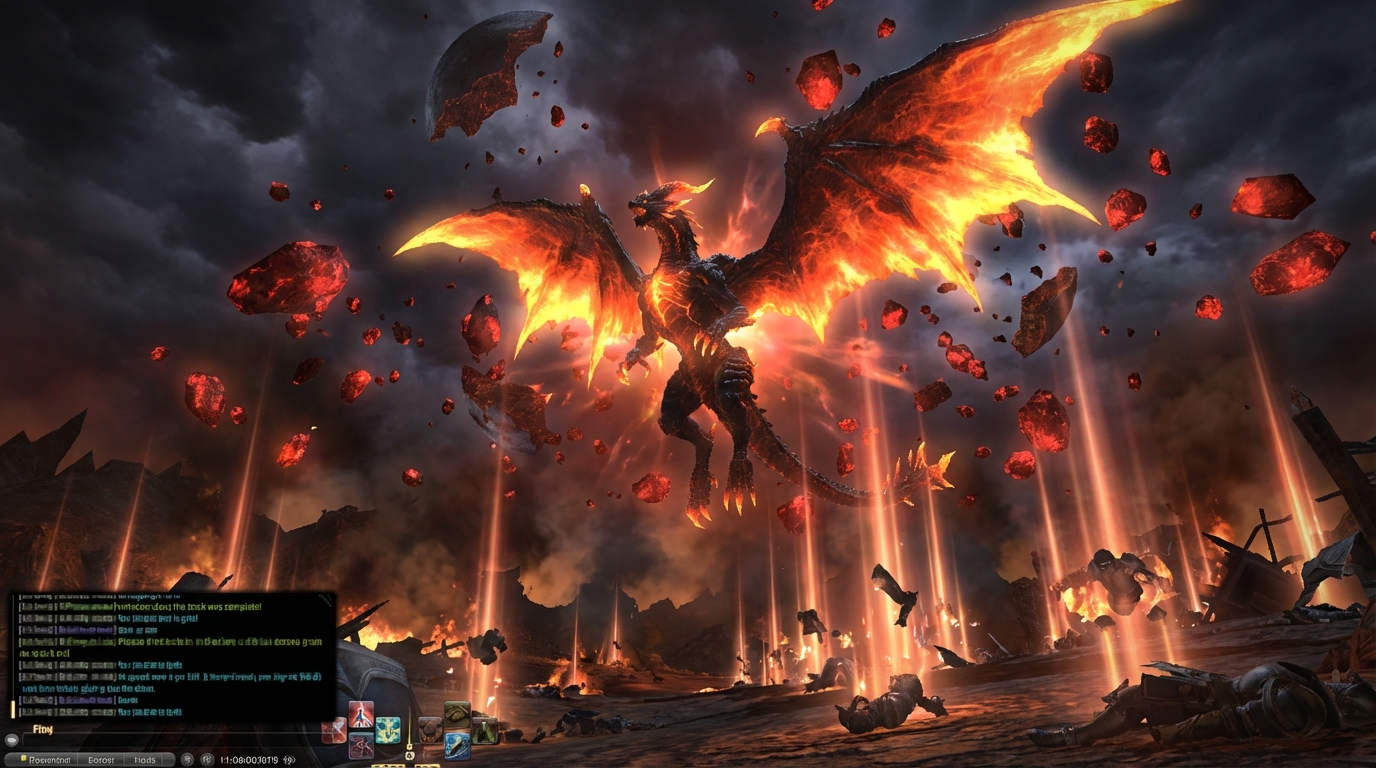
When Final Fantasy XIV first launched, it was a spectacular dumpster fire of epic proportions. I am not exaggerating when I say the game was practically unplayable. It was plagued by server crashes, horrific framerates, and a user interface that felt like a personal insult. Most developers in this situation would just slap a few tiny patches on the code and quietly abandon the project to cut their losses. The publisher actually did the unthinkable and admitted their highly anticipated MMO was complete garbage. They realized that no amount of bug fixes could save a game fundamentally broken at its core.
Instead of just shutting down the servers in the middle of the night, the developers decided to execute the ultimate flex in gaming history. They canonically wrote the death of the game into the lore by dropping a massive apocalyptic meteor right on top of the world. Players actually logged in to watch a giant dragon emerge from a falling star and literally nuke the entire map into oblivion. It was a brilliant, theatrical way to apologize to the fans while completely wiping the slate clean. Destroying your own digital universe takes a special kind of confidence, but it paved the way for a total reconstruction.
What rose from those digital ashes was A Realm Reborn, a title that completely rewrote the rulebook on how to save a dying game. The development team put in an absurd amount of grueling work to rebuild the engine, the combat, and the world entirely from scratch. Fast forward to today, and it legitimately stands as the best story-driven MMO on the market. I have to respect a studio that actually rolls up its sleeves and fixes a catastrophic mess instead of just running away with our money. It is the gold standard for video game redemptions, proving that even the absolute worst launches can be salvaged with enough elbow grease and a giant apocalyptic dragon.
From Catastrophic Mess to Actually Worth Playing
I have to hand it to the development teams behind these massive turnaround stories because they actually did the unthinkable. Instead of taking our money and fleeing to a private island, they sat down at their desks and spent years fixing their own catastrophic messes. It takes a monumental amount of grit to look at an overwhelmingly negative digital storefront page and decide to rebuild the game from the ground up. These studios deserve genuine applause for ignoring the angry mob and choosing to deliver the experience we were originally promised. They proved that a disastrous launch does not have to be a permanent death sentence for a franchise.
However, absolutely none of this heartwarming redemption nonsense means you should ever pre-order a video game. Just because a studio eventually duct-taped their burning wreckage back together three years later does not excuse the fact that they sold you a broken product on day one. You are a consumer playing video games for fun, not a venture capitalist funding an early access experiment disguised as a massive release. Keep your wallet firmly closed until the reviews drop, the day-one patch clears the smoke, and you actually know what you are buying. Buying a game on faith alone is a fantastic way to end up beta testing a glitchy nightmare for free.
Now that these titles are finally functioning properly, you have my complete blessing to jump in and enjoy the fruits of that grueling labor. You get to experience the polished, fully realized version of the game without having suffered through the agonizing launch window. Best of all, you can probably pick up these redeemed titles on a massive sale for half the original price. Let the impatient people pay full price to suffer through the bugs while we swoop in years later to enjoy the actual finished product. That is the real secret to surviving the modern gaming industry, and it is a strategy that will never let you down.
Frequently Asked Questions
1. What exactly counts as a game redemption?
It is when a studio releases a burning trash fire of a game but actually decides to fix it instead of running away with our cash. They spend years dropping massive patches to turn a broken punchline into a masterpiece. Basically, it is a rare apology that you can actually play.
2. Why do so many big games launch completely broken?
The modern gaming industry treats launch day like a mandatory paid beta test because executives want their bonus checks before the fiscal year ends. They know we will happily pay premium prices for their unfinished garbage. It is infinitely cheaper to patch a disaster later than to delay a game and miss a holiday release window.
3. Is Cyberpunk 2077 actually worth playing now?
Absolutely. I remember the launch being a global joke that crashed consoles, but the developers actually spent years shoveling out the garbage they left on our hard drives. They completely overhauled the skill trees and fixed the idiotic police AI to finally deliver the sci-fi utopia we were promised.
4. Should I just stop pre-ordering games entirely?
Yes, absolutely stop throwing your wallet at corporate promises. Pre-ordering in 2026 is basically paying full price to be an unpaid quality assurance tester for a billionaire. Wait a week, read the reviews, and let some other poor sucker find out if the game actually works.
5. How long does it usually take for a broken game to become playable?
Expect to wait anywhere from a year to an entire console generation. Studios need time to realize their shiny new cash grab is a PR nightmare before they frantically start patching their way out of it. If you buy a disaster at launch, just put it in a drawer and set a calendar reminder for two years down the road.
6. Do developers fix these games because they care about the players?
I would love to tell you they do it out of pure artistic integrity, but it is usually to dodge massive lawsuits and protect their stock prices. Selling us a broken mess ruins their chance to sell us endless subscription-service slop and recycled sequels later. A dead franchise makes no money, so they grab an extinguisher to save their future profits.
7. Are there any other games that pulled off a massive comeback?
Definitely. Titles like Final Fantasy 7 Remake are finding incredible new life right now, proving a catastrophic first impression is not a permanent death sentence. You just have to wade through the endless annual sports sequels to find the rare second chances that actually deserve your time.