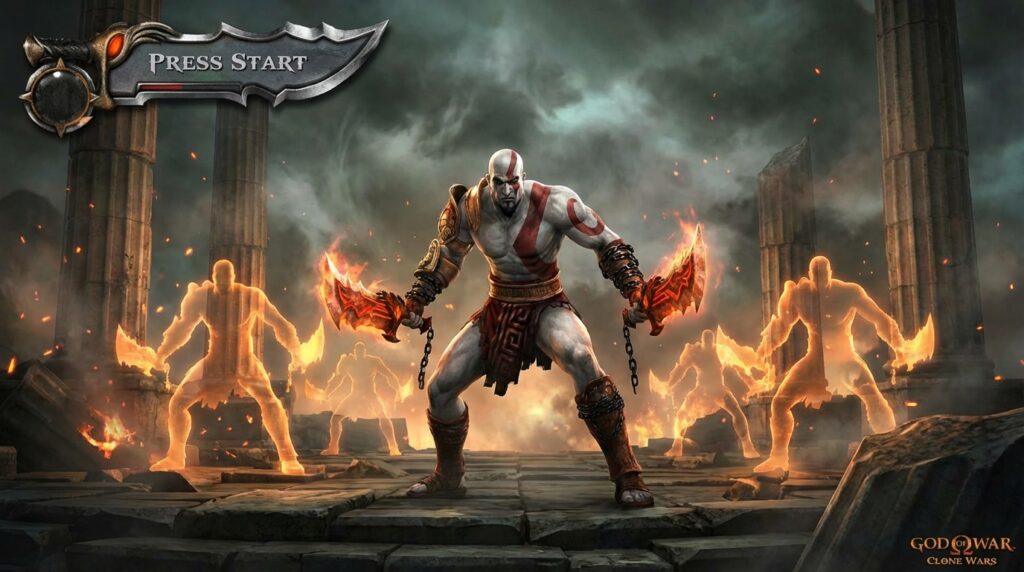
Back in the mid-2000s, a certain studio hit a gold vein of ultra-violence and Greek tragedy, and the rest of the industry reacted with the grace of a starving pack of wolves. Suddenly, every developer with a budget and a copy of The Odyssey was churning out action-adventure clones that swapped the protagonist for whatever scowling anti-hero they could license. We spent an entire console generation mashing square to swing glowing chains and pretending that hitting a Quick Time Event to rip a cyclops’ eye out was the pinnacle of game design.
Some of these titles were actually brilliant reimaginings that pushed the genre forward, while others were just shameless asset flips with a gritty coat of paint. Whether they were ripping off the fixed-camera carnage of the Greek era or the somber, over-the-shoulder daddy issues of the modern reboot, these games exist in a weird limbo of imitation. It is time to sort through the wreckage and see which of these pretenders to the throne actually deserve a spot on your hard drive and which ones are just digital landfill.
Key Takeaways
- The action-adventure genre has been flooded with imitators that prioritize cinematic spectacle and ultra-violence over mechanical depth and original design.
- Modern prestige titles often sacrifice player agency and combat complexity by adopting restrictive over-the-shoulder camera angles and scripted walking segments.
- Many developers use quick-time events and high production values as a crutch to mask shallow combat systems that lack precision and technical mastery.
- True innovation in the genre requires a focus on intentional gameplay loops and satisfying feedback rather than simply reskinning established formulas with mythological themes.
The Era Of The Shameless Scythe
Back in the mid-2000s, every developer with a budget and a dream decided that the path to success was paved with discarded sandals and stolen ideas. We entered a bizarre era where originality meant swapping out Greek gods for literal demons and replacing the primary weapons with an oversized scythe. Certain titles did not just take inspiration from the leaders of the genre, they practically broke into the office and photocopied the design documents while the security guards were on lunch. You had the same fixed camera angles, the same glowing orbs flying into your chest, and the same frantic button-mashing to open heavy stone doors. It was a time of pure, unadulterated imitation that prioritized the look of a blockbuster over the actual soul of the genre.
The real tragedy of this period was how these action-adventure clones traded mechanical depth for mindless, cinematic spectacle. While the genre leaders actually demanded some spatial awareness and timing, these pretenders focused entirely on how many gallons of digital blood could spray across the screen during a Quick Time Event. Combat systems became a secondary concern, relegated to a shallow loop of light and heavy attacks that lacked any sense of weight or precision. Developers were so obsessed with matching the scale of legendary boss fights that they forgot to make the five minutes between those fights actually fun to play. If you stripped away the shameless asset flips and the stolen scythes, you were often left with a hollow shell of a game that felt more like a chore than a challenge.
The industry eventually moved on, but the legacy of these titles serves as a perfect case study in lazy design. It is easy to mimic a camera angle or a finishing move, but it is much harder to replicate the tight pacing and satisfying feedback loop that makes a hack-and-slash title legendary. We saw a massive influx of titles that looked great in a thirty-second trailer but felt like mush the moment you picked up the controller. These games were the fast food of the action genre, designed to be consumed quickly and forgotten even faster. They proved that no amount of cinematic flair can hide a combat system that has all the complexity of a wet paper bag.
Cinematic Cameras And The Death Of Gameplay
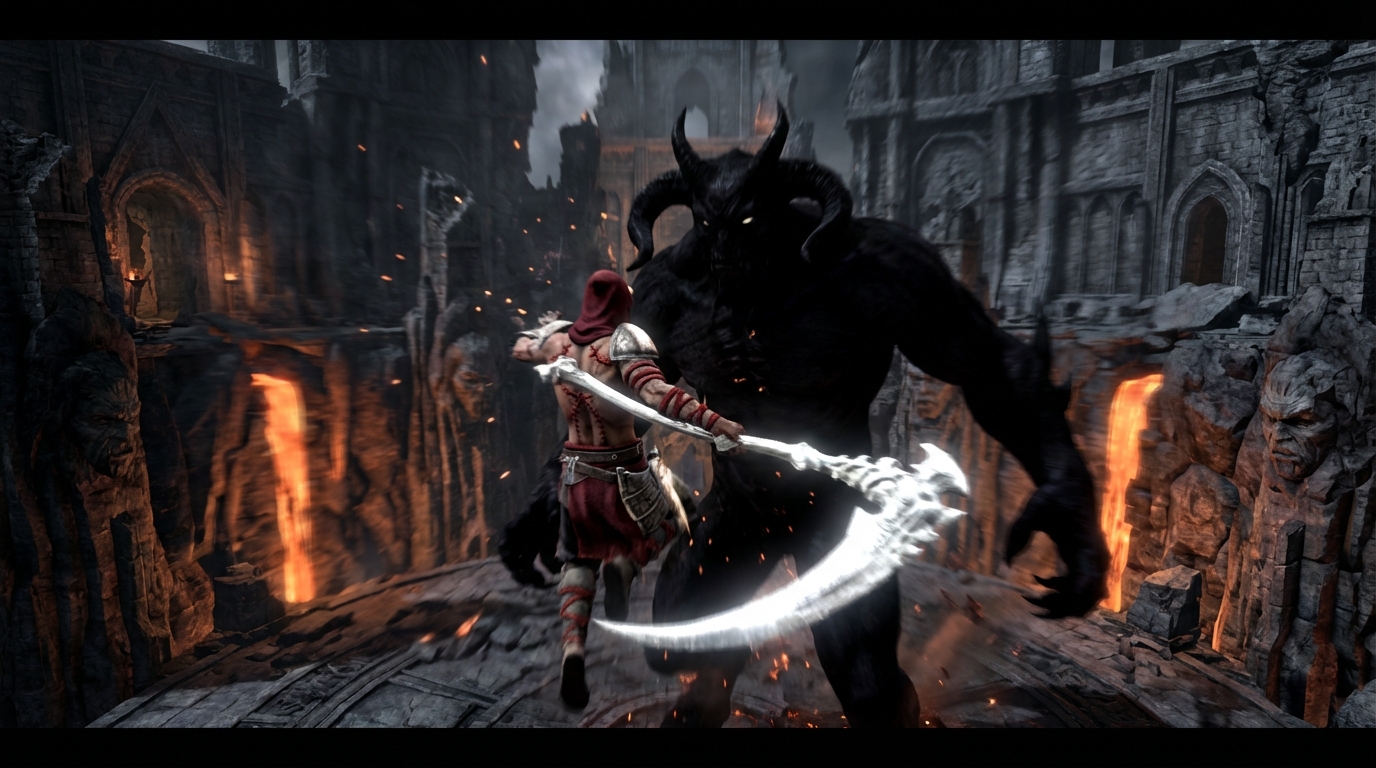
Modern prestige action games have become so obsessed with looking like a summer blockbuster that they have forgotten how to be actual video games. The shift toward a claustrophobic, over the shoulder camera angle might make for a pretty screenshot, but it absolutely cripples the mechanical complexity of combat. Instead of managing a battlefield with 360 degree awareness, you are stuck staring at the protagonist’s sweaty shoulder blades while a flashing indicator begs you to parry an off-screen enemy. It is a design choice that prioritizes cinematic flair over player agency, turning what should be a test of skill into a choreographed dance where the camera is the lead partner.
We have reached a point where the gameplay is frequently interrupted by the dreaded walking and talking segment that serves as a glorified loading screen. These sequences force you into a slow trudge while characters dump exposition that could have been handled in a snappy cutscene or, heaven forbid, through actual environmental storytelling. It is a lazy way to pad out the runtime and pretend the game has emotional depth when it really just lacks a compelling loop. Developers seem terrified that if they stop holding your hand for five seconds, you might realize the combat system is as shallow as a backyard birdbath.
The industry has traded the high speed, technical mastery of the classic era for a homogenized mess of light and heavy attacks that feel identical across five different franchises. Every prestige clone now follows the same tired blueprint of scripted spectacle and button mashing disguised as soulslike depth. When the most challenging part of a boss fight is fighting the camera rather than the boss itself, you know the design priorities are completely backward. We need to stop rewarding games for being cinematic when they fail to provide the mechanical meat that makes gaming a unique medium in the first place.
When Mythological Reskinning Becomes Lazy Design
I have lost count of how many times I have sat down to play a new action title only to realize I am just playing a glorified skin of a much better game. Developers seem to think that if they slap some mythological paint on a generic warrior and zoom the camera over his shoulder, I will magically forget that the combat feels like hitting a brick wall with a wet noodle. These games love to bait us with epic scale and sky-high production values, but they usually crumble the moment you look past the shiny textures. It is the classic bait-and-switch where a cinematic trailer promises a top-tier experience, but the actual gameplay delivers nothing but a shallow imitation of a better hero’s worst day.
The biggest red flag is when a studio uses massive boss finishers and quick-time events as a crutch to hide a complete lack of mechanical depth. You can give me all the slow-motion gore and screen-shaking roars you want, but if the actual combo system is just mashing one button until a prompt appears, I am going to get bored before the first health bar is even depleted. These titles often substitute genuine challenge with artificial difficulty or repetitive soulslike stamina bars that feel tacked on because they are currently trendy. It is lazy design masquerading as prestige gaming, and frankly, we should all be tired of paying full price for a game that lacks a single original bone in its body.
Most of these clones fail because they try to mimic the what of a successful franchise without understanding the why behind the mechanics. In a great action game, every swing of the weapon feels intentional and every upgrade changes how you approach an encounter, rather than just bumping a stat by two percent. When a developer prioritizes spectacle over substance, you end up with a hollow loop of walking through beautiful hallways just to trigger the next scripted execution. I do not need another mythological reskin that treats me like an observer in my own game. If you are going to copy the king, you should at least bring something more to the table than a fancy camera angle and a grudge.
The Curse of the Imitator
Ultimately, the established action formula is a double edged sword that has sliced through the heart of mechanical depth in favor of sheer spectacle. While the genre leaders produce technical masterpieces, they have birthed a sea of imitators that mistake a tight camera angle and a somber tone for actual innovation. We are currently drowning in over the shoulder action games that feel more like interactive movies than actual tests of skill. If I have to sit through another three minute sequence of squeezing through a narrow rock gap just to mask a loading screen, I might lose my mind. These games prioritize looking pretty in a trailer over providing a combat system that requires more than two brain cells to navigate.
The real tragedy is how these clones have turned the genre into a predictable cycle of button mashing and scripted finishers. Developers seem terrified to let players fail, opting instead for flashy animations that trigger regardless of how poorly you timed your last swing. We have traded the complex combos of the past for cinematic fluff that looks great on a 4K television but feels hollow in your hands. It is hard to call this a blessing when every new prestige title feels like it was assembled from the same sterile kit of QTEs and light RPG elements. I want a game that respects my intelligence enough to let me master its mechanics, not one that treats me like a passenger on a slow moving tour bus through a digital museum.
Frequently Asked Questions
1. What exactly qualifies a game as a clone?
A clone is any action game that shamelessly lifts the homework of a successful franchise, usually featuring fixed camera angles, glowing orbs for currency, and a heavy reliance on Quick Time Events. If you find yourself mashing buttons to rip a monster’s limb off while swinging chain-based weapons, you are playing a clone.
2. Are these clones actually worth playing or just digital landfill?
It is a mixed bag of brilliant reimaginings and absolute garbage. Some titles actually iterate on the combat and offer genuine fun, while others are lazy asset flips that belong in a dumpster.
3. Which game is the most notorious offender of copying the genre leaders?
Certain underworld-themed action games from the late 2000s take the crown for being the most blatant copycats in gaming history. They practically photocopied the design documents, replacing Greek mythology with a literal trip through hell and swapping the primary weapons for a giant scythe.
4. Did these clones offer any mechanical depth?
Most of these games traded real mechanical depth for cinematic flair and ultra-violence. They focused on looking like a blockbuster rather than perfecting the soul of the genre, resulting in a lot of style over substance.
5. Is it just the old Greek games being copied, or the new Norse ones too?
The imitation game never stops, it just changes its clothes. Developers have moved from copying the fixed-camera carnage of the mid-2000s to mimicking the somber, over-the-shoulder daddy issues found in modern reboots.
6. Why were there so many of these games in the mid-2000s?
The genre leaders hit a gold vein of violence and tragedy, and the rest of the industry reacted like a pack of starving wolves. Every developer with a budget and a copy of The Odyssey thought they could print money by putting a scowing anti-hero in a hack-and-slash setting.