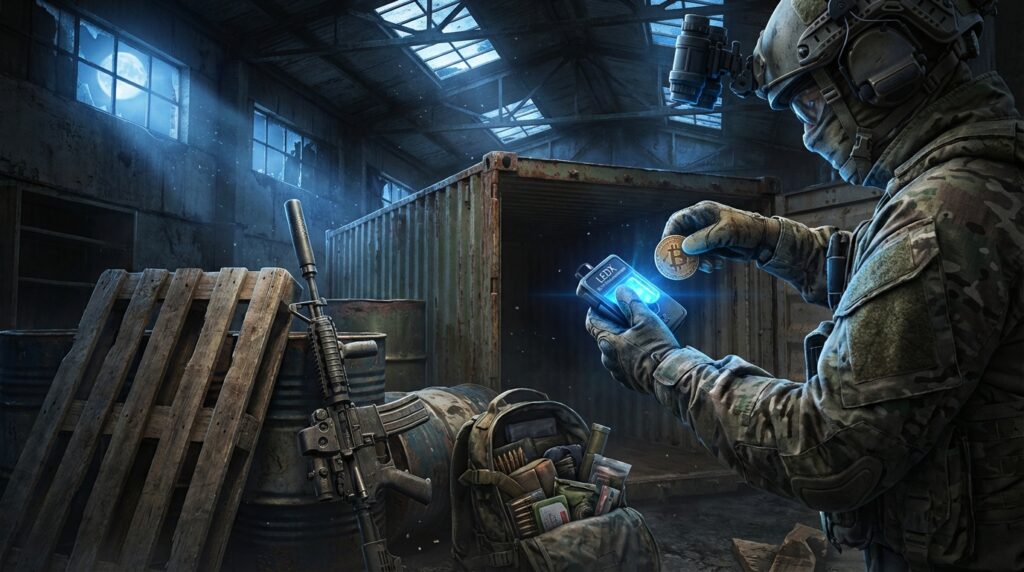
For nearly a decade, I have been masochistically paying to get punched in the face by tactical extraction shooters, all in the hopes of sniffing a single piece of high-tier loot. It is a genre built on the beautiful, toxic promise that I can lose everything in thirty seconds because I forgot to check a corner or my internet hiccuped. I have spent years wandering through unfinished maps and broken betas, convincing myself that the Early Access tag was a valid excuse for getting shot through a solid brick wall.
The era of excuses finally ended on November 15, 2025, when the genre’s grandfather finally slapped a 1.0 label on its forehead and opened the Terminal. After nine years of development hell, the pioneer of the raid-and-extract loop actually delivered a narrative ending that lets me leave the game world for good. It is a massive milestone that proves these games can be more than just endless gear-grinding loops, even if it took a literal decade to get there.
Key Takeaways
- The transition of the genre’s leading pioneer to a 1.0 release marks the end of the ‘Early Access’ era, finally delivering a narrative conclusion and a definitive way to ‘win’ via the Terminal map.
- Tactical extraction shooters have evolved into high-stakes ‘work-like’ simulators that demand the dedication of a full-time career to achieve endgame success and narrative closure.
- New competition is diversifying the genre by introducing vibrant sci-fi aesthetics and satirical parodies that challenge the traditional, gritty military-sim formula.
- The core appeal of the genre remains its uncompromising masochism, where the extreme psychological toll of losing gear creates a level of tension and reward that more accessible games cannot replicate.
The 1.0 Milestone And Terminal Escape
After nine long years of living in a perpetual state of early access and questionable server stability, the genre’s leading title has finally hit its 1.0 release. This isn’t just a patch or a minor update, but a massive milestone that officially introduces the Terminal map and a narrative conclusion to the endless cycle of violence. For the first time ever, I can actually achieve a sense of closure by escaping the region instead of just hoarding canned beef and weapon parts in a digital basement. It is a monumental moment, proving that even the most chaotic development cycles can eventually result in a finished product. However, reaching that finish line requires a level of dedication that borders on a full-time career without the benefit of health insurance.
The new Terminal map serves as the ultimate gatekeeper, turning the final hours of the game into a high-stakes endurance test that makes a corporate audit look relaxing. Reaching this point feels less like playing a video game and more like working a second job where my coworkers are constantly trying to shoot me in the back of the head. I am expected to bring my absolute best gear into a meat grinder where one wrong step resets hours of progress. It is the peak of tactical extraction gameplay, offering a brutal sense of accomplishment that most modern titles are too afraid to demand. If I have the stomach for it, the payoff is incredible, but I have to be prepared to sacrifice my sleep schedule and my sanity to see that final cutscene.
Despite the punishing difficulty, there is something undeniably addictive about the way 1.0 polishes the core loop of risk and reward. The game has finally leaned into its identity as a grueling simulator that refuses to hold my hand or apologize for its steep learning curve. While the community celebrates the first few players to successfully escape, the rest of us are left wondering if we actually want to leave or if we are just addicted to the misery. It is a bold, uncompromising masochism of what a shooter can be when it stops caring about being accessible and starts caring about being memorable. Whether I find it brilliant or just plain masochistic, the arrival of Terminal has set a new, terrifying standard for every other game trying to occupy this space.
High Stakes Loots And The Work Like Grind
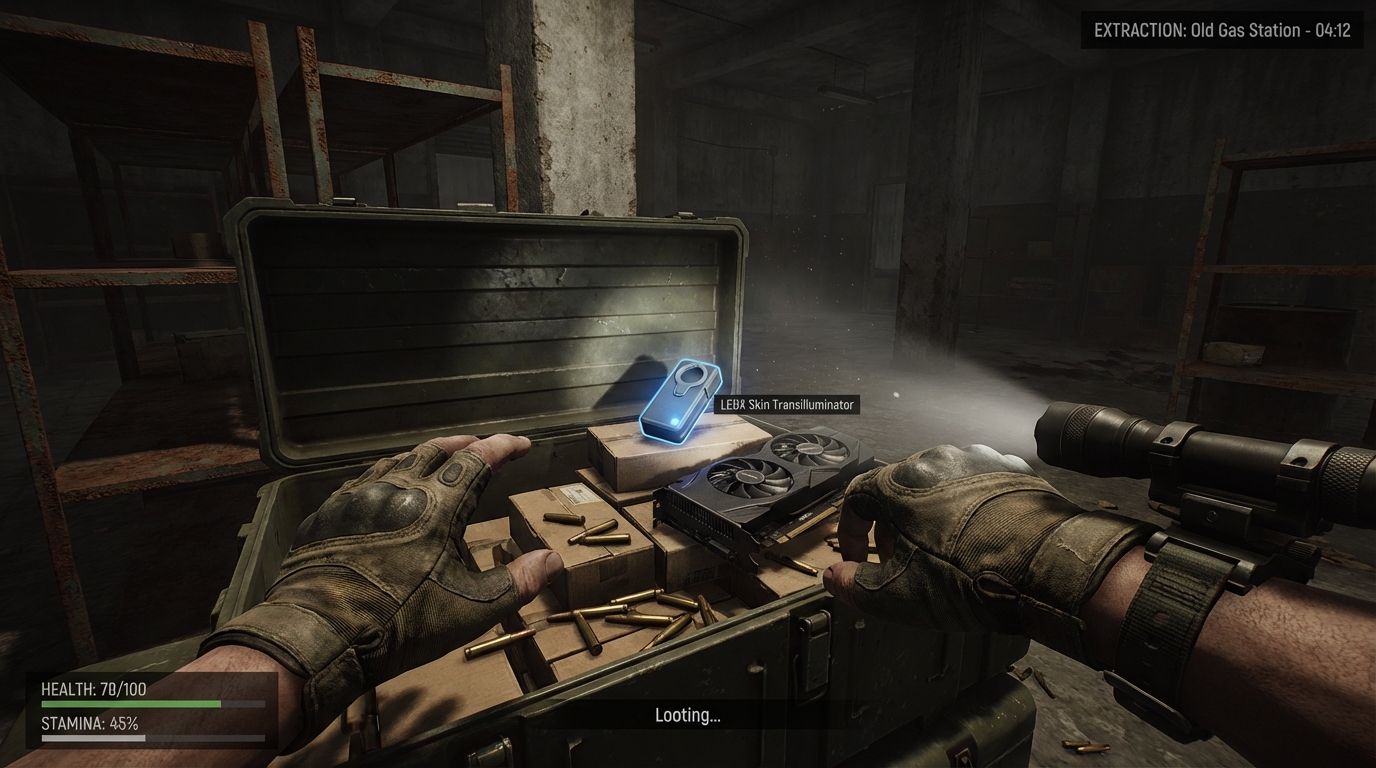
Tactical extraction shooters have successfully convinced me that spending my weekends performing virtual manual labor is a legitimate form of entertainment. I spend forty minutes crouched in a bush, heart hammering against my ribs, all for the privilege of stuffing a few rusty bolts and a damaged circuit board into a backpack. It feels less like a hobby and more like a high-stakes graveyard shift at a hazardous waste facility where the supervisors are armed with sniper rifles. The game asks me to clock in, manage my inventory with the precision of a logistics manager, and hope I do not get fired by a stray bullet to the head. It is a grueling cycle that turns the simple act of playing into a desperate struggle to maintain a positive balance in my digital bank account.
The psychological toll of losing my best kit is a special kind of misery that only this genre can provide. I spend hours grinding for a specific rifle, tweaking the attachments until it is a masterpiece of engineering, only to lose it in three seconds because I forgot to check a dark corner. There is no reload button to save my pride, just a cold return to the main menu and the crushing realization that my hard work now belongs to someone else. This constant threat of total loss creates a level of stress that makes a regular office job look like a spa retreat. I keep coming back because the relief of making it to the extraction point is a massive dopamine hit, but let us be honest, I am basically paying for the privilege of having a second, much scarier job.
With the official 1.0 release of the genre’s biggest pioneer finally hitting the shelves, the work has only become more demanding. New maps like Terminal offer a supposed endgame, but getting there requires navigating a world designed to punish my every mistake. The arrival of high-profile competitors has not softened the blow either, as every developer seems to be in a race to see who can make their players feel the most miserable before offering a tiny crumb of success. I am not just playing a game, I am managing a high-stress career where the benefits package is non-existent and the retirement plan is a shallow grave. It is a brilliant, frustrating, and utterly exhausting grind that proves I will endure almost anything for the sake of a successful loot haul.
New Waves Of Competition
The extraction shooter genre has long been dominated by the kind of high-stakes intensity that makes me feel like I need a shower and a cigarette after every raid. While the 1.0 release of the genre’s biggest name finally gave me a way to actually finish the story on the Terminal map, the gameplay loop remains a grueling second job. It is a world where losing a backpack full of loot feels like a personal financial crisis, and that level of stress is exactly what newcomers are trying to capitalize on or subvert. I am finally seeing a shift where developers realize that while I love the tension, I might not always want the soul-crushing misery that comes with it.
New entries are stepping into this arena with a much-needed splash of style, trading the drab, grey tones of military bases for more vibrant, retro-futuristic vibes. These titles still keep the core mechanics of getting in, grabbing the gear, and getting out alive, but they feel like they actually want me to have a good time while doing it. The challenge for these newer titles is proving they can maintain that legendary gear fear without making me feel like I am turning your hobby into a digital treadmill. If they can balance the tactical depth with a loop that does not feel like a chore, the established kings of the genre are going to have a serious fight on their hands.
On the complete opposite end of the spectrum, I have seen satirical takes that serve as a hilarious middle finger to the self-serious nature of military sims. These projects take the exact same high-stakes extraction mechanics and replace the gritty soldiers with ducks, proving that the genre’s tension works even when the premise is objectively ridiculous. This wave of competition is vital because it forces the industry to innovate rather than just adding more complex ballistics menus that nobody asked for. Whether it is through sleek sci-fi visuals or feathered parodies, these games are proving that the extraction formula is ripe for a makeover that respects my time and my sanity.
The Masochistic Joy of Virtual Staking
Ultimately, the tactical extraction shooter is less of a hobby and more of a second job that pays me in adrenaline and high blood pressure. I spend hundreds of hours organizing digital backpacks and creeping through bushes just for the privilege of being sent back to the menu by a bush wookie I never saw. With the official 1.0 launch of the genre’s biggest titan finally behind us, it is clear that this work-like gameplay loop is here to stay. It is a masochistic cycle of gear fear and triumph that defies logical explanation. I do not play these games to relax after a long day, I play them to replace my real world stress with something much more visceral.
Whether these games are actually fun remains a question for people much smarter than me, or at least people with better coping mechanisms. There is a perverse joy in finally reaching an extraction point like Terminal after a decade of development, proving that some of us actually can escape the cycle. If I enjoy the feeling of losing everything because of a stray bullet, I probably do not need a therapist, I just need a better gaming chair and a faster reload speed. These titles are unapologetically brutal, punishing, and occasionally miserable, which is exactly why I keep clicking the Ready button. Much like how psychological horror games use dread to keep us hooked, the extraction genre thrives on the mental toll it takes on its players. If the industry keeps making them this addictive, I will see you in the lobby for another shift.
Frequently Asked Questions
1. What actually happens when you reach the 1.0 release of an extraction shooter?
It means the developers finally ran out of excuses for why I am getting shot through solid brick walls. For a major title, it introduces a narrative conclusion and the Terminal map, finally giving me a way to beat the game instead of just hoarding digital trash forever.
2. Is the Terminal map really as difficult as everyone says?
It is a high-stakes endurance test designed to make a corporate audit look like a spa day. Think of it as the ultimate gatekeeper that requires a level of dedication usually reserved for people trying to pass the bar exam without opening a book.
3. Why would anyone play a game where you lose everything in thirty seconds?
Because I am a little bit masochistic and addicted to the toxic promise of high-tier loot. There is a specific, twisted thrill in knowing that a single internet hiccup or a forgotten corner can end my career, making the successful extractions feel like a genuine miracle.
4. Does the Early Access tag still matter in 2025?
The era of using Early Access as a shield for broken betas and unfinished maps is officially dead. If a game has been in development for nine years, I expect a finished product that actually delivers on its promises rather than another decade of excuses.
5. Can you actually win an extraction shooter now?
Yes, the introduction of a narrative ending means I can finally achieve closure and leave the game world for good. I no longer have to live in a perpetual cycle of violence, allowing me to retire from my digital basement and maybe even see sunlight again.
6. Is it worth starting these games if I have a full-time job?
Only if I am prepared for my gaming hobby to become a second career without the benefit of health insurance. These games demand absolute mastery and a massive time investment, so I have to be ready to trade my sleep and sanity for a few pieces of high-end gear.