We have reached a point where seeing a 7 or an 8 at the end of a game title feels less like a promise and more like a threat to our wallets. The industry is currently drowning in overrated triple-a sequels that offer nothing but bloated budgets and the same tired mechanics we mastered a decade ago. It is the gaming equivalent of a fast-food franchise, predictable, overpriced, and likely to leave you with a massive headache.
The numbers do not lie, even if the marketing teams do. When a flagship titan like Call of Duty sees its player engagement crater by half in a single year, it is not a fluke. It is a mass exodus from lazy design. We are being sold recycled assets and uninspired live service filler under the guise of prestige gaming. Stop pretending that a shiny coat of 4K paint justifies another sixty hours of the same boring loop.
Key Takeaways
- The triple-A gaming industry has replaced creative innovation with a ‘glorified assembly line’ of sequels that offer recycled mechanics and minimal improvements at premium prices.
- Bloated development budgets of $300 million or more have made publishers too risk-averse to experiment, resulting in safe, soul-less games designed by accountants rather than visionaries.
- Declining player engagement and launch numbers for major franchises like Call of Duty prove that audiences are finally rejecting the ‘incremental update scam’ and lazy live-service filler.
- Players must stop rewarding predatory release schedules and vote with their wallets to demand sequels that move the medium forward instead of just treading water.
The Death Of Innovation In Annual Releases
The modern triple-A development cycle has become a glorified assembly line where innovation goes to die in favor of a reliable quarterly earnings report. We are stuck in a loop of copy-paste sequels that treat players like ATMs rather than fans, offering the same tired mechanics wrapped in a slightly shinier coat of digital paint. Take a look at the recent Call of Duty entries if you want to see a franchise cannibalizing itself for the sake of an annual deadline. When Black Ops 7 launched to a fraction of the steam its predecessor generated, it was not just a fluke or a bad marketing week. It was a loud, collective groan from a player base that is finally tired of paying seventy dollars for what amounts to a glorified map pack and a UI overhaul.
Publishers have become so terrified of taking risks that they have managed to make the most expensive entertainment products on earth feel incredibly cheap. These bloated follow-ups prioritize safe, predictable engagement over actual gameplay improvements, leading to the kind of franchise fatigue that kills legendary IPs. We are constantly promised groundbreaking new features, but what we actually get is a slightly tweaked movement speed or a new battle pass to grind through. It is a cynical approach to design that assumes we will keep buying the same game forever just because the title has a familiar number at the end. If a sequel does not justify its existence by doing something genuinely new, it is just a digital paperweight that belongs in the recycle bin.
The industry is currently learning a very expensive lesson about the dangers of overstaying a welcome with mediocre content. Recent data shows that player counts for flagship sequels are halving within a year because there is simply nothing left to discover in these recycled worlds. When a massive budget results in a game that feels like a chore you have already finished three times, the marketing hype starts to look like a desperate lie. We need to stop rewarding these lazy release schedules and start demanding sequels that actually move the medium forward instead of just treading water. If the best thing you can say about a new game is that it looks exactly like the last one, then it is officially time to hit the uninstall button.
Bloated Budgets And The Fear Of Risk
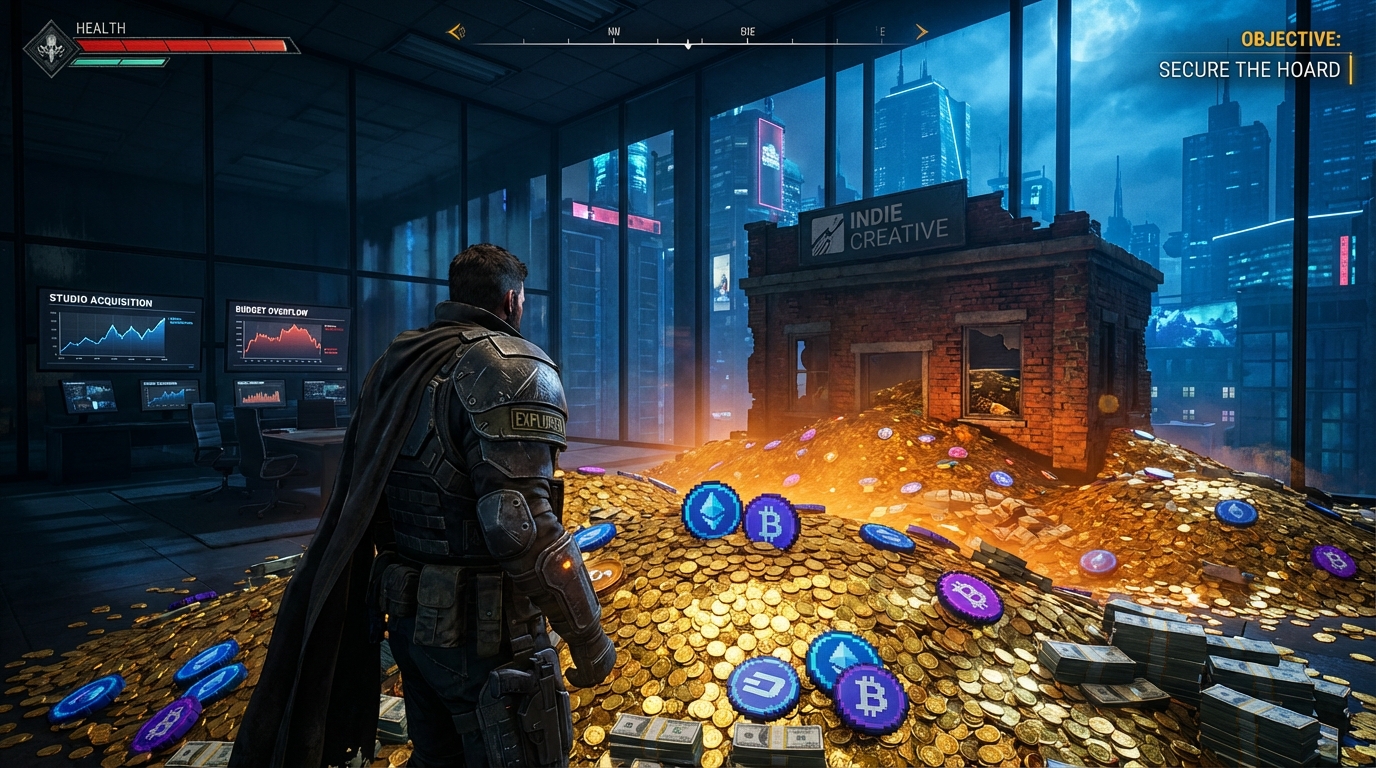
Modern AAA development has become so expensive that publishers treat every sequel like a high stakes poker game where they are too terrified to actually play. When a project costs three hundred million dollars, the creative vision gets handed over to a committee of accountants whose only job is to ensure nobody gets offended and nothing feels too new. We end up with these massive, beautiful husks of games that are essentially just checklist simulators designed to keep you engaged for eighty hours without ever challenging your brain. It is the cinematic equivalent of eating a plain rice cake that cost seventy dollars. Innovation is a dirty word in these boardrooms because it represents a risk to the quarterly earnings report.
The result of this financial cowardice is a graveyard of sequels that look like masterpieces in trailers but feel like chores in practice. Look at the recent trajectory of franchises like Call of Duty, where engagement numbers are falling off a cliff because players are tired of paying full price for what amounts to a glorified map pack. We are seeing a massive disconnect between what marketing teams promise and what the actual gameplay delivers. When a sequel like Black Ops 7 shows a staggering decline in launch engagement compared to its predecessor, it is a clear sign that the safe route is actually a dead end. Players can smell the lack of effort through the forty gigabyte day one patches.
The industry expects us to be grateful for these bloated follow ups just because they have high fidelity textures and professional voice acting. In reality, these games are often regressions that strip away the soul of the original title to make room for more microtransactions and battle passes. We are being sold a product that was designed by data points rather than by people who actually enjoy playing video games. If a sequel does not take a swing at something new, it is not an evolution, it is just an expensive way to waste our hard drive space. It is time to stop pretending that a bigger budget automatically equals a better experience, especially when the gameplay is stuck in 2015.
Marketing Hype Versus The Reality Of Reskinning
Publishers have turned the pre-release cycle into a high-stakes magic trick where forty million dollars of CGI cinematic footage disguises a game that has not evolved since the Obama administration. We are constantly bombarded with in-engine trailers that promise a revolution, only to be handed a seventy-dollar map pack with slightly better lighting on the puddles. It is a cynical cycle of hype designed to trigger your nostalgia while the actual gameplay remains stagnant and safe. They bank on you being too distracted by the shiny textures to notice that the core mechanics are literally identical to the title you played three years ago.
The reality of the modern AAA sequel is often just a glorified reskin that prioritizes profit margins over actual creative risks. Look at the recent trajectory of franchises like Call of Duty, where engagement numbers are cratering because players are finally waking up to the incremental update scam. When a sequel like Black Ops 7 sees a massive decline in launch engagement compared to its predecessor, it is a clear sign that the more of the same strategy is failing. You cannot expect people to stay excited for a decade when the most innovative thing about a new release is the updated UI and a more aggressive battle pass.
We are living in an era where bloated development budgets have made developers terrified of how risk-averse they’ve become with their established IPs. Instead of building something new, they polish the same old assets and hope the marketing department can trick us into thinking it is a brand-new experience. It is a lazy approach to design that treats the audience like ATM machines rather than fans who want to be challenged. If a game costs seventy dollars, it should offer more than just a fresh coat of paint and a few minor quality-of-life adjustments. It is time to stop rewarding these bloated follow-ups and start demanding actual evolution for our money.
Stop Paying Premium Prices for Recycled Trash
The era of the mandatory blockbuster sequel is officially hitting a brick wall, and it is about time we stopped pretending these bloated retreads are worth seventy dollars. We have watched franchises like Call of Duty stumble as player engagement numbers fall off a cliff, proving that even the biggest marketing budgets cannot hide a lack of soul. When a massive follow up like Black Ops 7 is underperforming in 2025 compared to its predecessor, the message from the community is loud and clear. We are tired of being treated like walking ATMs for publishers who prioritize quarterly earnings over actual gameplay innovation. These titles are not just overrated, they are actively draining the life out of a medium that used to thrive on creative risks.
Stop letting nostalgia or clever trailers trick you into supporting lazy design choices that belong in a bargain bin. We need to demand that every new entry in a series justifies its own existence with something more than just a higher resolution and a slightly different UI. If a game feels like a glorified expansion pack or a checklist of chores designed to keep you logged in for a battle pass, it deserves to be uninstalled immediately. Voting with your wallet is the only language these corporate suits actually understand, so let the sales charts reflect the disappointment we all feel. It is time to stop playing trash and start rewarding the developers who actually give us a reason to keep our consoles turned on. Even if you have the best hardware, many of these new games are so poorly optimized that they barely function at launch.