You are five hours into a high-octane action RPG, dual-wielding axes and turning bosses into confetti, when the game suddenly decides you are actually a pacifist in a cardboard box. Nothing kills a power fantasy faster than forced stealth sections that strip away your gear and demand you hide behind a crate because a low-level guard might blow a whistle. It is the ultimate “stop having fun” mechanic, usually found in games that have the mechanical depth of a puddle and the AI logic of a roomba.
These segments are almost always a binary disaster: you are either invisible or you are restarting from a checkpoint three rooms back. Developers love to swap tight combat for clunky line-of-sight puzzles, forcing you to throw rocks at pots like a bored caveman instead of using the skills you actually spent hours leveling. It is lazy padding that treats your time like a suggestion rather than a priority. If I wanted to play a stealth game, I would buy one that actually has a crouch animation that does not look like my character is having a medical emergency.
Key Takeaways
- Forced stealth sections in action games represent lazy design that creates a binary failure state, often stripping players of their power and forcing instant restarts upon detection.
- Action-oriented games frequently lack the specialized tools, refined AI, and fluid movement mechanics required to make stealth feel fair or engaging.
- Mandatory sneaking segments destroy narrative and mechanical momentum by forcing high-powered protagonists into tedious, repetitive patrol-memorization puzzles.
- Developers should prioritize player agency by offering stealth as an optional choice with meaningful consequences rather than a mandatory requirement that punishes mistakes with loading screens.
The Binary Failure State of Lazy Design
Nothing kills the momentum of a fast-paced action game faster than being stripped of your weapons and told to hide in a box. One minute you are a literal god of war painting the walls with your enemies, and the next you are failing a mission because a nearsighted guard caught a glimpse of your elbow. These sections are a hallmark of lazy design, forcing you into a binary failure state where detection equals an instant game over screen. It is a jarring shift that feels less like a challenge and more like the developers ran out of ideas and decided to pad the runtime with frustration.
The real insult is that these games rarely provide the tools needed to make stealth feel fair or engaging. You are stuck with clunky movement controls designed for combat, a camera that refuses to cooperate in tight corners, and guards with psychic vision that triggers the moment you breathe too loudly. Without a dedicated cover system or reliable distraction mechanics, you are essentially playing a lethal game of red light green light against a broken AI. It turns what should be a tense infiltration into a tedious process of trial and error where the only winning strategy is memorizing a specific patrol path.
When a game lacks checkpoints during these segments, it stops being entertainment and starts being a chore that I should be getting paid to complete. There is nothing quite like spending ten minutes crawling through a vent only to get spotted by a glitchy NPC and sent back to the very beginning of the level. It is a disrespectful waste of time that highlights exactly why forced stealth is a hated trope. If I wanted to spend my evening crouching behind crates and praying to the RNG gods, I would have bought a dedicated stealth title instead of an action RPG.
Clunky Mechanics Meet Nonexistent Stealth Tools
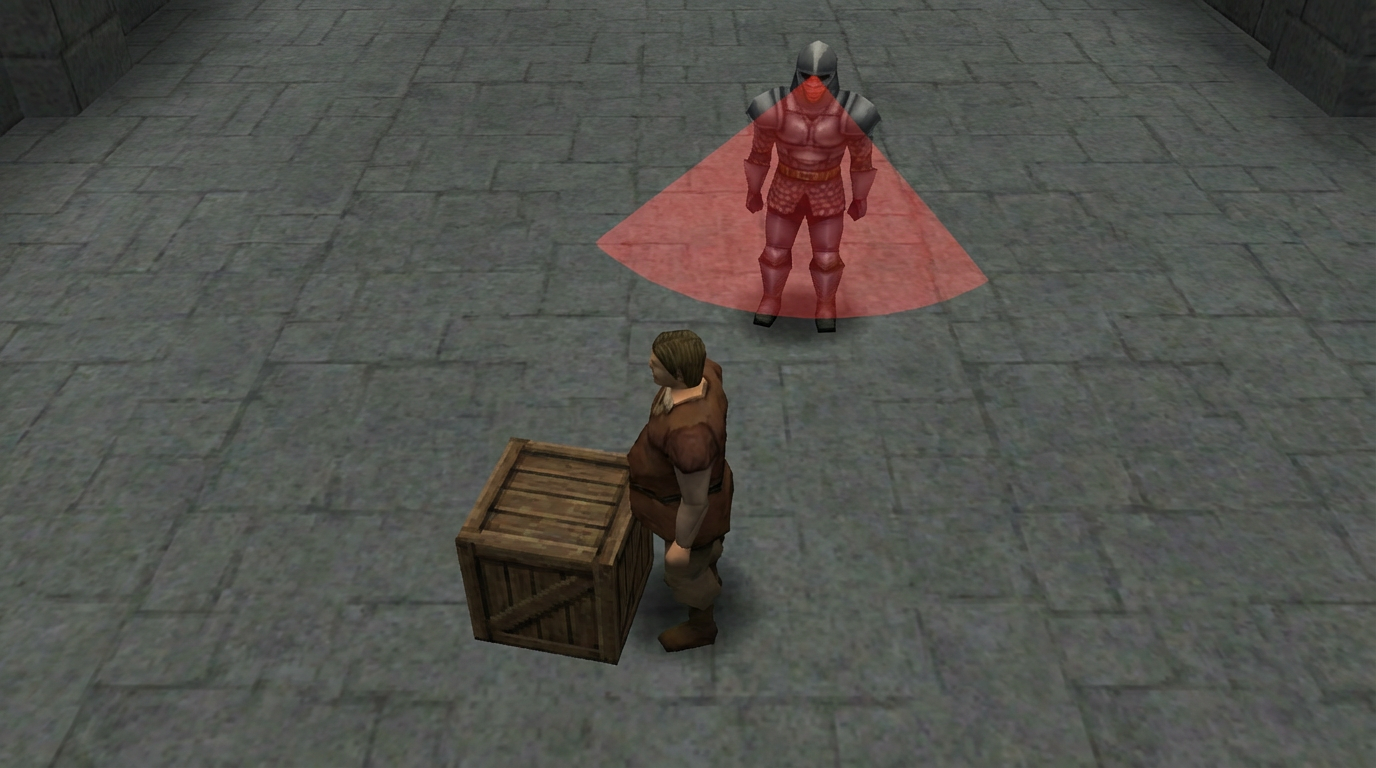
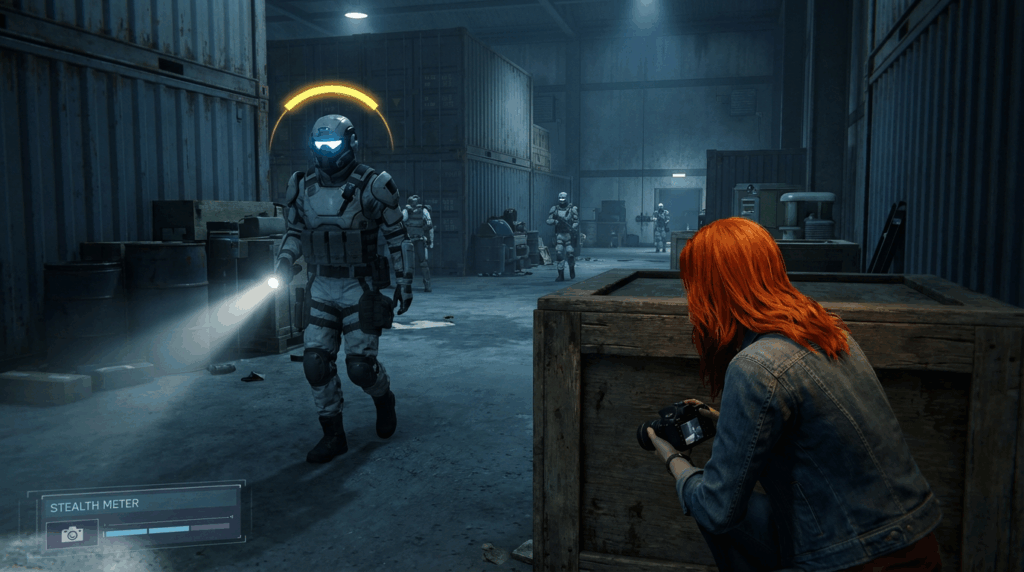
There is nothing quite like playing a high-octane action hero for ten hours only to be stripped of your dignity by a mandatory sneaking mission. These segments are the hallmark of lazy padding, forcing you to crouch walk through a warehouse because the developers decided the pacing needed a sudden, screeching halt. The real insult is that these action-oriented games never actually give you the tools to succeed, leaving you without distractions, takedowns, or even a basic vision cone. You are essentially playing a lethal game of hide and seek where the seeker has wall hacks and you have the athletic prowess of a shopping cart with a broken wheel.
Most of these forced sections rely on a binary detection system that feels like it was coded during a lunch break. If a guard catches a glimpse of your pinky finger from across the map, the screen fades to black and you are booted back to a checkpoint from three presidential administrations ago. There is no nuance, no searching phase for the AI, and certainly no way to fight your way out of a mistake. You are stuck repeating the same scripted path like a digital ghost, waiting for a sentry to finish his pre-programmed monologue so you can finally move three feet to the next crate.
The irony is that these developers clearly want the tension of a spy thriller without doing any of the actual mechanical heavy lifting. They expect you to navigate complex patrol routes while your character controls like a tank in a bathtub, lacking even a simple whistle or a rock to throw. It is a hollow imitation of gameplay that replaces skill with pure, agonizing trial and error. If I wanted to feel this helpless and frustrated while moving slowly in the dark, I would just try to find the bathroom in a strange house at three in the morning.
Pacing Killers and the Narrative Disconnect
Nothing kills the momentum of an action epic faster than a mandatory segment where your god-slaying protagonist suddenly becomes terrified of a flashlight. You spend twenty hours mastering complex combos and upgrading a rocket launcher only for the game to strip away your dignity and force you into a cardboard box. It is a bizarre design choice that treats the player like a toddler who needs to be slowed down because the narrative team ran out of dialogue. These sections rarely offer the nuanced mechanics of a dedicated stealth title, instead relying on binary vision cones that make guards either legally blind or omniscient. There is nothing heroic about watching a hero who just killed a dragon get sent back to a checkpoint because a generic sentry saw his elbow.
The narrative disconnect here is enough to give any player whiplash. One minute you are a legendary assassin or a super-soldier capable of leveling a city block, and the next you are failing a mission because you could not figure out how to walk behind a crate. These segments often lack the basic tools required to make sneaking fun, such as distractions or non-lethal takedowns, leaving you to play a tedious game of red light, green light with the AI. It feels like the developers did not trust their core gameplay loop enough to let it carry the story to the finish line. We are essentially being punished for wanting to use the very skills the game spent the last ten hours teaching us to master.
Most of these forced encounters feel like filler designed to pad the runtime without adding any actual value to the experience. When a game that is built on fluid movement and explosive combat suddenly demands a slow crawl through a sewer, it is not a change of pace, it is a chore. The frustration peaks when the detection logic is inconsistent, forcing you to restart the same three-minute walk because a guard turned around at a frame-perfect interval. It is lazy design that prioritizes a specific cinematic beat over the actual enjoyment of the person holding the controller. If I wanted to spend my Friday night hiding in a barrel, I would have bought a stealth game, not a title that literally has a shotgun on the front cover.
The Death of Fun: Forced Stealth
Forced stealth sections are the ultimate sign that a developer has run out of ideas and decided to hold your progress hostage. There is nothing more soul-crushing than playing a high-octane action game only to have the protagonist suddenly develop the structural integrity of a wet paper towel. You go from slaying dragons or toppling empires to hiding behind a crate because a nearsighted guard might glance in your general direction. It is a lazy way to pad out a game’s runtime, and it almost always feels like you are playing a completely different, much worse product. If I wanted to spend twenty minutes memorizing a patrol route, I would have bought a dedicated stealth title with mechanics that actually work.
Instead of forcing us into these binary fail states that trigger an instant restart, developers should focus on offering player agency and meaningful choices. If you want to encourage sneaking, give us tools that complement the existing gameplay rather than stripping our abilities away entirely. A great game lets you choose between a quiet approach and a loud one, but it never punishes you with a Game Over screen just for being seen. If your combat is fun, let us use it when things go sideways instead of making us sit through a loading screen. We want to play through your world, not feel like we are navigating a minefield of invisible tripwires.
The era of using mandatory sneaking as filler needs to end before I lose my mind and hit uninstall. We are tired of inconsistent AI that can hear a pin drop from a mile away but cannot see a full-grown man crouching in a spotlight. It is time to stop pretending that every character needs a quiet moment when the mechanics clearly do not support it. Give us the freedom to solve problems our own way, or at least make the stealth feel like a reward rather than a chore. Even in linear narrative games, if a section of your game makes me want to put the controller down and do laundry instead, you have officially failed the design test. If you are tired of these tropes, you might want to check out some indie RPGs that prioritize player agency and respect your time.