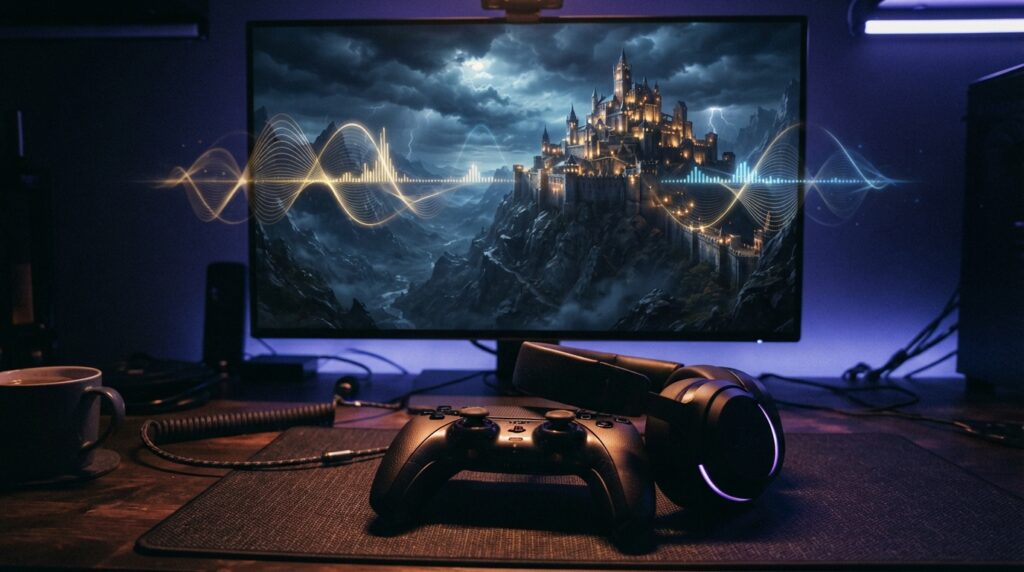
A great soundtrack can turn a good game into something unforgettable, or make a dramatic boss fight sound like elevator music with a health bar. That is why video game soundtrack reviews should judge more than catchy tunes. They should examine composition, atmosphere, sound design, and how well the music serves the game. I am here to separate unforgettable scores from noisy wallpaper.
Modern game music deserves serious criticism, whether it is a sweeping orchestral suite, a crunchy retro soundtrack, or three hours of electronic panic pretending to be innovation. I will call out bold ideas, lazy repetition, and every track that overstays its welcome like an unskippable tutorial. If the music is doing the heavy lifting, the game should at least have the decency to carry the controller.
Key Takeaways
- Great game soundtracks have a distinct musical identity built through memorable melodies, purposeful harmony, effective instrumentation, and developed leitmotifs—not just dramatic orchestral effects.
- Music should serve gameplay by shaping exploration, combat, stealth, menus, and story moments through adaptive layering, restraint, silence, and well-timed transitions. Repetition is valuable when it develops meaning but damaging when weak loops become distracting.
- Technical execution matters as much as composition: clean mixing, balanced volume, smooth looping, readable audio layers, and reliable playback determine whether a score enhances or undermines the experience. Licensed tracks must also fit the game’s setting and emotional purpose rather than functioning as random playlist additions.
- The strongest soundtracks work both inside and outside the game, retaining emotional power, replay value, and musical coherence as standalone albums while supporting the world and remaining memorable after the credits.
Composition And Musical Identity
I judge a soundtrack by whether I can remember it after putting down the controller, not by whether it can make a brass section sound like the apocalypse. Strong melodies give a game an identity, while smart harmony can make a familiar setting feel strange, tense, joyful, or quietly miserable in exactly the right way. Rhythm matters too, especially when percussion and tempo respond to combat, exploration, or a boss who has clearly chosen violence as a lifestyle. If every track is just swelling strings and thunderous drums, I start wondering whether the composer misplaced the melody.
Instrumentation should serve the world, not merely decorate it. A lonely piano, warped synth, regional instrument, or deliberately ugly burst of noise can communicate more than another perfectly polished orchestral crescendo. I also listen for leitmotifs, recurring musical ideas tied to characters, places, factions, or emotional turning points. More importantly, I pay attention to whether the game develops those ideas instead of playing the same five notes until everyone involved files a complaint. Repetition is not automatically a flaw. A good theme can become more powerful through variation, but lazy looping makes even a beautiful track feel like an elevator with combat privileges.
A strong video game soundtrack review should also consider how music behaves inside the game, not just how it sounds on an album. Dynamic layering, silence, environmental ambience, and transitions can turn a decent composition into a living part of the experience, while awkward loops expose the machinery faster than a loading screen. Licensed music deserves the same scrutiny. A perfectly chosen song can define a scene, but a playlist assembled by throwing darts at a streaming service is not a personality. Ultimately, I look for originality, purpose, and a musical identity strong enough to survive outside the game, rather than orchestral noise wearing an expensive cape.
Repetition Atmosphere And Gameplay
I judge a soundtrack by how it behaves when the game stops showing off. Exploration music should give a location personality without turning every corridor into a museum gift shop, while combat themes need to sharpen the action rather than yell “BOSS FIGHT” through a megaphone. Stealth sections benefit from restraint, because a swelling orchestra is not exactly subtle when I am hiding behind a cardboard box. Menus matter too. Players can spend hours there adjusting settings, and a catchy loop can become an audio mosquito that never dies. The best scores understand pacing, using silence, texture, and carefully timed transitions instead of treating every moment like the climax of a trailer.
Adaptive scoring gets special attention because it can make a game feel responsive or expose the machinery underneath. I look for music that layers instruments, changes intensity, or shifts themes naturally as danger rises, rather than restarting the same eight-bar panic attack every time an enemy notices me. Repetition is not automatically a flaw, especially when a melody becomes part of a character, place, or ritual, but weak loops wear out their welcome faster than a tutorial explaining how to move forward. Emotional story scenes also need judgment. An overstuffed score can smother a powerful performance, while a well-placed motif can do more work than an entire speech. I also consider licensed tracks, asking whether they deepen the setting and reflect the game’s identity or simply arrive with a recognizable chorus and a very large invoice.
Licensing Performance And Sound Design
I separate original scores from licensed tracks because they solve different problems. An original score can bend around gameplay, intensify during combat, and quietly vanish when dialogue needs room. A licensed song arrives with its own identity and usually refuses to behave like background furniture. That can be brilliant when the track defines a character or turns a driving sequence into a music video with better steering. It can also feel like a playlist was thrown into the game and told to find its own way home. I look at whether the music belongs to the scene, not just whether I would play it outside the game. A famous song is not automatically good sound design, despite what the licensing invoice might suggest.
Technical performance matters just as much as musical taste. I listen for clean mixing, sensible volume levels, smooth loops, and transitions that do not sound like the game has briefly forgotten what genre it is. A beautiful theme loses its impact when footsteps, dialogue, or an aggressively loud explosion bury it beneath a pile of digital rubble. I also check whether tracks restart awkwardly, cut off mid-phrase, or repeat so often that even a great melody starts sounding like psychological warfare. Good audio direction makes every layer readable, while bad mixing turns the whole soundtrack into a crowded argument.
Hardware limitations can explain rough edges, but they do not get a free pass in every review. Older systems may rely on compressed samples, limited channels, or short loops, yet clever arrangement can make those restrictions feel like character instead of failure. On modern platforms, I expect stable playback, consistent dynamic range, and audio settings that let players balance music against effects without needing an engineering degree. The best soundtracks survive both the technical test and the repetition test, remaining memorable without becoming annoying. If a song is still welcome after the tenth loop, it has earned its place, unlike that one explosion determined to personally destroy the entire mix.
Standalone Album And Industry Recognition
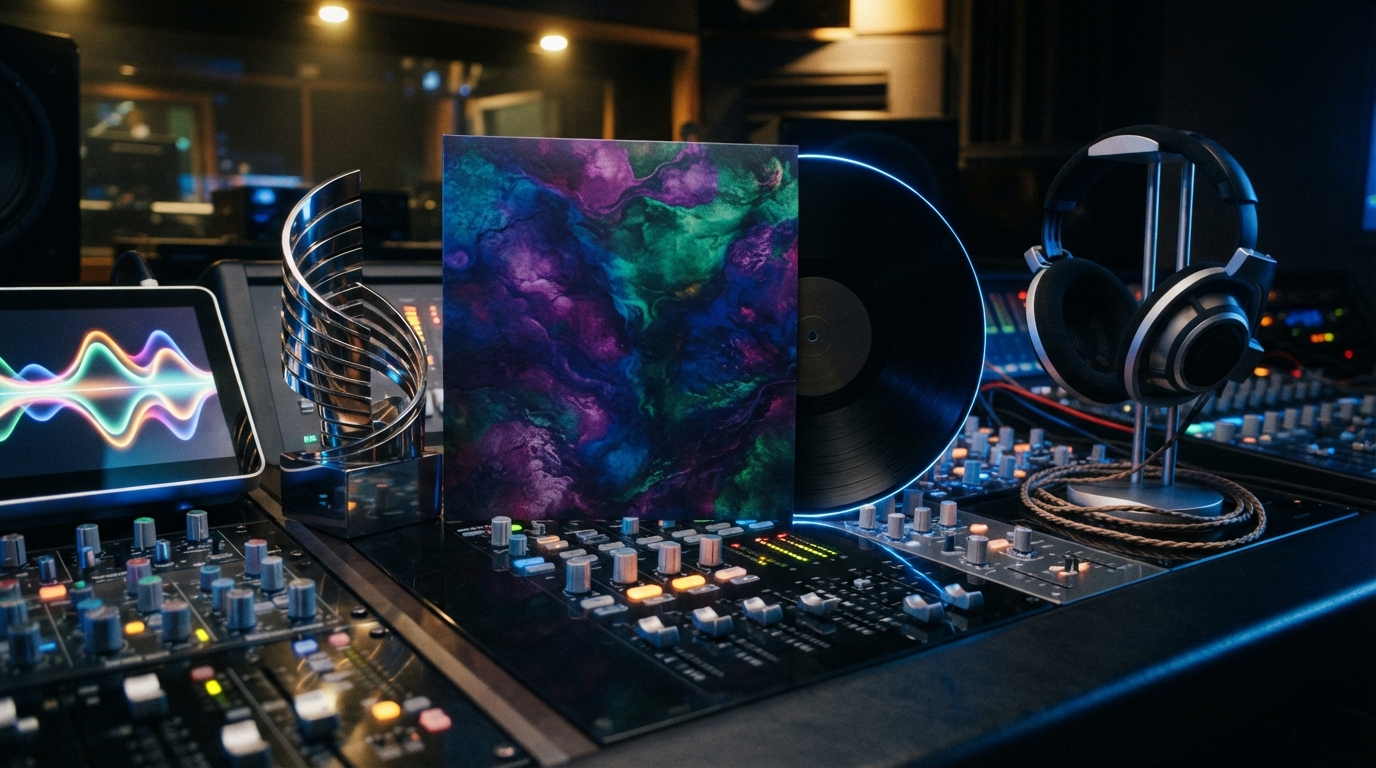
A great game soundtrack should survive the game that gave it a job. When I review it as a standalone album, I listen for deliberate sequencing, satisfying pacing, and enough melodic identity to make replaying it feel like a choice rather than an accident. A strong tracklist can move from tension to relief without sounding like a playlist assembled by throwing musical grenades at a wall. If the best songs only work while dodging monsters, solving puzzles, or staring at a particularly expensive sunset, the album has a problem.
Replay value matters just as much as first impressions. I want themes that reveal new details after several listens, arrangements that reward attention, and quieter pieces that do more than fill space between boss fights. Licensing can complicate that appeal, especially when memorable songs are tied to temporary deals or omitted from digital releases. Nothing says “premium listening experience” like a missing track and a legal disclaimer. The real test is simple: would I play this soundtrack while working, driving, or annoying my neighbors, even when the controller is nowhere nearby?
Game music is also gaining legitimacy as a subject worthy of serious criticism, rather than background noise that politely waits for the gameplay to receive all the credit. Dedicated reviews now examine composition, sound programming, arrangement, hardware limitations, atmosphere, and the way repetition shapes memory. Grammy recognition and major award programs have helped push that shift into the mainstream, proving that a game soundtrack can stand beside film scores and conventional albums without wearing a novelty hat. That recognition does not make every orchestral swell brilliant, but it does make lazy criticism harder to defend. Excellent news for anyone tired of calling every dramatic chord “cinematic.”
What Separates Great Game Scores
A useful video game soundtrack review has to judge more than whether a melody sounds good in a trailer. I listen for strong composition, memorable themes, purposeful repetition, and arrangements that know when to build tension and when to get out of the way. The best scores are woven into the game’s systems, changing with exploration, combat, failure, or a story beat instead of looping like a musical screensaver. I also consider technical polish, from the quality of the mix and transitions to whether the music survives compression without sounding like it was recorded inside a tin can. If licensing choices clash with the mood or the soundtrack disappears beneath effects and dialogue, I will call that out.
Emotional staying power separates a genuinely great score from expensive background noise. A soundtrack earns a place on my playlist when its themes still work outside the game, whether I am replaying a boss cue, humming a town theme, or suddenly feeling nostalgic for a fictional place with terrible rent. Scores that deepen the atmosphere, support the action, and remain rewarding after the credits deserve a clear recommendation. The rest can stay trapped inside the game that spawned them, preferably without forcing me to hear the same eight-bar loop for six consecutive hours. That is the standard video game soundtrack reviews should meet: judge the music as music, but never forget the world it was built to make unforgettable.