
The console memory shortage is here, and it’s doing what every hardware crisis does best: making expensive plastic even more expensive. AI data centers are vacuuming up DRAM and NAND, leaving game consoles facing higher production costs, tighter supply planning, and price hikes that make your wallet cry in 4K. This does not necessarily mean every console will vanish from store shelves, but it is a serious threat to affordability and future hardware plans.
I’m looking at what’s actually running short, why AI infrastructure gets first dibs, and how the squeeze could affect console prices, storage, performance, and upcoming launches. If the industry expects us to pay premium money for less hardware while calling it “market realities,” the least I can do is point and laugh before checking my bank account.
Key Takeaways
- AI data-center demand is diverting DRAM and NAND capacity toward higher-margin server orders, driving up console manufacturing costs and tightening supply planning.
- The shortage is likely to affect consumers through higher prices, reduced production, smaller base storage capacities, and more expensive upgrades—not necessarily through slower performance after purchase.
- Memory availability could delay or limit the next console generation, leading to staggered launches, smaller initial inventories, or extended support for current hardware.
- Console makers may secure enough memory for planned volumes while still facing rising costs and constrained availability, so supply assurances do not guarantee affordable or plentiful systems.
Introduction Console Memory Shortage
Memory supply, not flashy graphics technology, may decide when the next console generation arrives. As of August 26, 2026, the problem is no longer just the familiar “nothing is in stock” panic. It is a nastier mix of rising costs, restricted production, higher prices, and hardware plans being rewritten in real time. AI data centers are swallowing huge amounts of DRAM and NAND, leaving console makers to fight over the leftovers like contestants at a buffet after the influencer crowd has arrived. One platform holder says it has secured enough memory for its planned 2026 console volumes, while another says storage and memory costs have surged and production still cannot meet demand.
That makes the console memory shortage a pricing and planning crisis as much as a supply crisis. Manufacturers can absorb higher component costs, raise retail prices, reduce production targets, or delay new hardware. None of those options is exactly a gift to players already paying premium prices for a box and three accessories. A major platform holder has already announced substantial price increases for its newer console in the United States and other markets, proving that memory pressure is reaching wallets, not just factory spreadsheets. I would love the next generation to arrive with revolutionary graphics, but if manufacturers cannot secure affordable memory, the big leap may be delayed by the humble parts responsible for loading the textures.
DRAM NAND And GDDR Explained
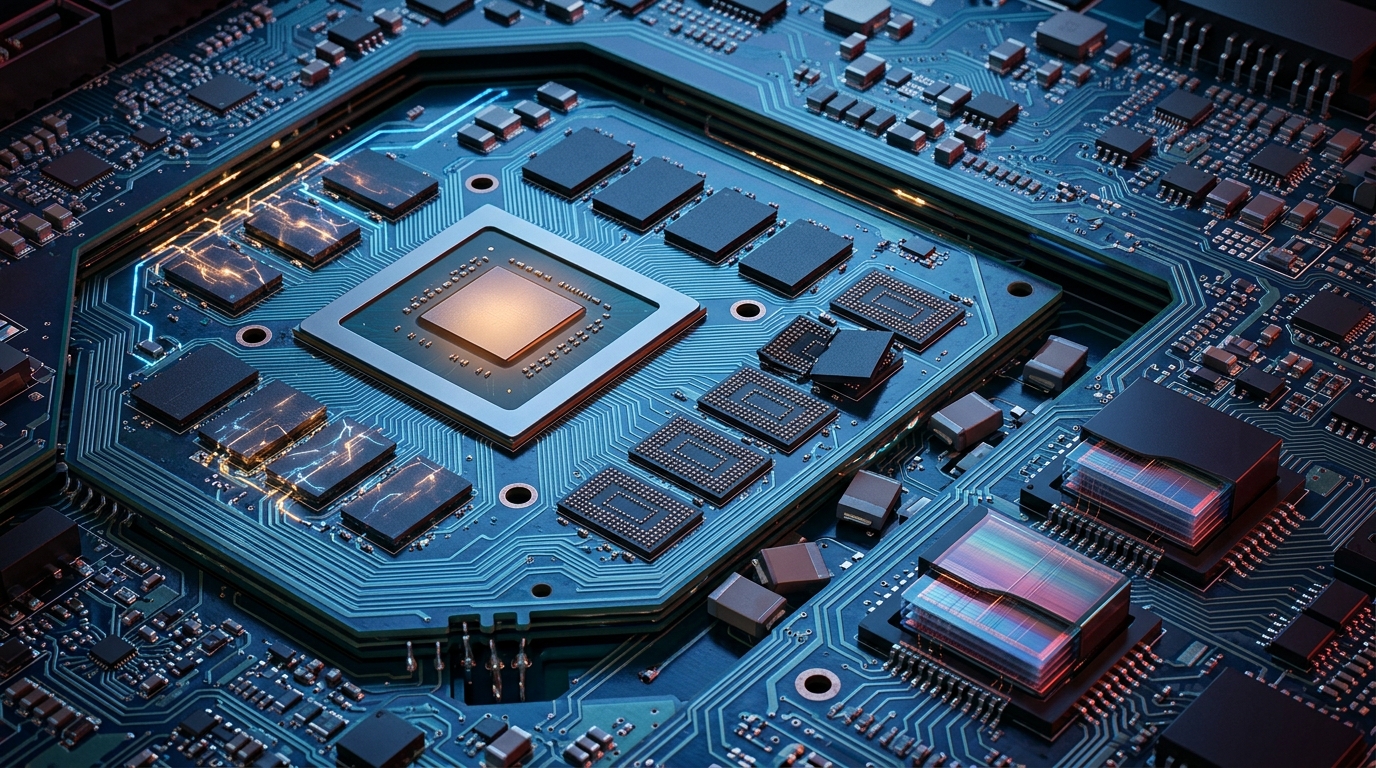
A console memory shortage is not one missing chip. It is a supply squeeze across several parts that quietly keep games running. DRAM provides fast working space for the operating system, game code, textures, and temporary data, while GDDR6 or GDDR7 usually serves as the high-bandwidth pool shared by the graphics processor and CPU. LPDDR5 can appear in compact or efficiency-focused designs, where lower power use matters more than brute-force bandwidth. NAND flash is the storage inside the console, holding the operating system, installed games, updates, and an alarming amount of downloadable nonsense. When AI data centers buy up memory supply, console makers face higher component bills and tougher production planning, even if the machine itself has not suddenly forgotten how to load a texture.
| Memory component | What it does | Where it appears | Effect of a shortage |
|---|---|---|---|
| DRAM | Fast temporary workspace for system and game data | Main memory packages on the console board | Raises build costs and can limit available units |
| GDDR6 or GDDR7 | High-bandwidth memory for graphics and processor workloads | Attached near the graphics processor | Can increase costs, complicate performance targets, and delay designs |
| LPDDR5 | Power-efficient memory for lighter or compact hardware | System memory in efficiency-focused designs | Pushes up costs and may force compromises in speed or capacity |
| NAND flash | Permanent storage for games, updates, and the operating system | Internal solid-state storage module | Raises storage prices, encourages smaller capacities, or makes upgrades pricier |
The important detail is that shortages do not automatically make a console slower after it reaches your living room. The damage usually happens earlier, through reduced production volumes, higher prices, less generous storage, or hardware plans that get shoved back into the industry’s famous “strategic review” drawer. Manufacturers may secure enough memory for a planned launch while still paying more for every unit, which squeezes profit or gets passed directly to shoppers. That makes memory supply a genuine timetable problem for the next generation, not just a boring procurement footnote. Flashy graphics sell the trailer, but affordable GDDR and NAND decide whether the box exists in stores at all.
AI Demand Versus Console Memory
The console memory shortage is not happening because semiconductor factories have gone dark. It is happening because AI data centers are storming the buffet and eating the expensive dishes first. Suppliers can make more money selling DRAM and NAND into servers packed with AI workloads, so manufacturing capacity and investment naturally tilt toward those higher-margin orders. Consoles are left waiting politely with an empty plate, which is not ideal when every new machine needs plenty of fast memory and storage.
That imbalance raises the cost of building consoles even when chips are still rolling off production lines. Manufacturers then face an ugly choice: swallow thinner profits, raise prices, reduce production, or delay hardware plans until memory contracts look less like financial self-harm. I would not expect flashy graphics alone to decide when the next console generation arrives, because memory availability may be the less glamorous bouncer guarding the door. A console can have a brilliant processor and ray tracing capable of illuminating every pore on a character’s face, but without enough affordable memory, it is just an expensive box with ambition.
The shortage also explains why availability can feel inconsistent rather than universally disastrous. Planned production may be protected for major launches, while future models, cheaper revisions, and ambitious storage configurations get squeezed behind server demand. That uncertainty makes long-term planning harder, pushes retail prices upward, and gives manufacturers another reason to stretch the current generation. In other words, AI workloads are eating the buffet, consoles are waiting for leftovers, and gamers may discover that the next generation is delayed by memory chips nobody notices until they are missing.
Current Console Pressure
One major platform holder is trying to keep the panic meter out of the red, claiming it has secured enough memory to support its planned 2026 console volumes. That is reassuring, but it is not exactly a victory parade. Securing supply for existing hardware does not guarantee cheap consoles, plentiful stock, or a smooth path to the next console generation. I read it as careful planning, not proof that the console memory shortage has magically packed its bags.
Another platform holder is being much blunter, warning that storage and memory costs have risen sharply and that it cannot produce as many consoles as consumers want. That squeeze can mean fewer systems on shelves, higher prices, or both, because apparently buying a console now requires the financial strategy of a small nation. Price increases from another major platform holder show that the problem has already escaped factory spreadsheets and landed directly in consumers’ wallets. When memory costs start changing retail prices, flashy graphics become less important than whether manufacturers can actually build enough machines to sell.
The bigger concern is what this does to the next console generation. Extra graphical horsepower is useless if constrained DRAM and NAND supply makes new hardware too expensive or too risky to launch at scale. Secured production allocations offer some stability, while warnings about supply and price increases reveal how fragile that stability is. I would not be surprised if memory availability, rather than ambitious features, becomes the deciding factor in when the next generation arrives. After all, the future of gaming may hinge on a component nobody brags about in a trailer.
Memory Costs And The Next Console Generation
The console memory shortage could decide the next generation before a single dramatic reveal trailer does. DRAM for system memory and NAND for SSD storage are both under pressure from AI data-center demand, pushing up the bill of materials for every machine that needs fast memory and plenty of space. That gives future consoles less room to hit an aggressive price without sacrificing margin, storage, or launch volume. In other words, the flashy graphics are not the scary part. The invoice is. The result could be a slower, more cautious hardware rollout rather than a clean generational leap.
| Forecast area | Likely outcome | What remains speculation |
|---|---|---|
| Launch price | Higher prices or fewer launch discounts if DRAM and NAND costs remain elevated. | An exact price target, or a premium tier becoming the standard model. |
| Launch timing | Delays or staggered regional launches if manufacturers cannot secure enough memory. | A confirmed delay for the next console generation. |
| Inventory | Smaller production targets and tighter availability during the opening months. | A major worldwide shortage lasting throughout the first year. |
| Storage | Smaller base SSD configurations, with expansion treated as the customer’s problem, naturally. | A return to unusually low capacities or a mandatory subscription-based storage model. |
| Cross-generation support | Longer support for current consoles while component costs and supply stabilize. | A formal commitment to extend cross-generation support for a specific number of years. |
For players, the most believable outcome is not that the next consoles vanish entirely, but that they arrive in smaller numbers at prices that make wallets file formal complaints. Manufacturers could also launch with leaner storage, preserve current-generation models longer, or split the rollout into more expensive and more affordable versions. Those choices would help manage the console memory shortage, but they would also make the “next generation” feel less like a grand reset and more like a carefully rationed upgrade. Claims that memory costs alone have locked in a specific future console date still lack confirmation. What is clear is that memory supply now belongs in the launch-plan conversation, right beside performance targets, games, and the usual pile of corporate optimism.
Console Memory Shortage Takeaway
The blunt takeaway is that the next console war may be won in memory supply contracts long before anyone settles the teraflop scoreboard. A console memory shortage, driven largely by AI data-center demand for DRAM and NAND, gives manufacturers fewer cheap components to work with and less room for optimistic production plans. I can admire a dazzling graphics demo all I want, but it is not shipping if the factory cannot secure enough memory to build the box. Silicon ambition is flashy. Supply agreements are the boring machinery deciding whether that ambition reaches a store shelf.
Buyers should therefore expect higher prices, tighter launch windows, and hardware rollouts that move at the speed of available components rather than marketing hype. Manufacturers can absorb some of the added cost, but they are not charities, and eventually the bill lands on the box under your television. Slower production also means weaker availability, cautious forecasts, and fewer chances to find a discount before stock vanishes again. Until memory supply stabilizes, the timetable for the next generation will be set less by graphics ambition than by who secured enough chips before everyone else started shouting “AI.”
Memory Shortages Could Delay Next-Gen Consoles
The console memory shortage is proving that the next generation may be delayed by boring chips rather than a lack of flashy graphics. DRAM and NAND supplies are under pressure from booming AI data-center demand, which means console makers face higher costs, tighter production plans, and fewer guarantees about future hardware. That pressure can push up retail prices and weaken demand, turning the usual launch-day frenzy into a financial headache with a controller attached. In other words, the bottleneck is not imagination. It is the stuff that lets games remember where you left your sword.
For players, this means console availability and launch timing could remain unpredictable even when manufacturers have impressive hardware ready to show off. Securing enough memory for planned production is possible, but it leaves less room for surprises, price cuts, or millions of extra units waiting on store shelves. I would not expect a new generation to arrive simply because the graphics chip is ready, because memory supply may get the final vote. Until production costs settle, the smartest move is to enjoy the consoles already on the shelf and let the industry fight its expensive silicon tug-of-war.