
Studio sales have turned from industry rumor into a full-blown ownership shuffle. Two studios are becoming independent, while two others are moving to new owners, because apparently making games wasn’t complicated enough already. A French studio is also under consultation, though it hasn’t been confirmed as sold.
I’m cutting through the corporate fog to explain what’s actually changing, which studios are leaving, and what remains unknown. Buyers for the two studios changing ownership haven’t been named, so anyone claiming to know the full plan is probably selling certainty by the bucket. The bigger question is whether this is a smart reset or another case of executives treating beloved studios like furniture.
Key Takeaways
- Four studios are leaving the platform holder: two will become independent and two will move to new owners, whose identities had not been publicly disclosed as of August 16, 2026.
- The restructuring includes approximately 3,200 job cuts during fiscal 2027, including roughly 1,600 announced immediately, reflecting a broader push to reduce costs and improve margins.
- The French studio has not been sold; it remains under formal consultation, with independence, a sale, or continued operation under revised terms still possible.
- Ownership changes could affect staffing, budgets, creative control, release schedules, and project funding, so the key developments to watch are buyer announcements, the French studio’s final outcome, and concrete updates on affected games.
Platform Holder Divests Four Studios
The July 6, 2026 restructuring announcement confirmed that four studios are leaving the corporate family tree. Two are becoming independent, while two are moving to new ownership. That is not a minor reshuffle or another executive word salad about “optimizing resources.” It changes who controls these teams, their budgets, and the decisions behind their next games. The platform holder outlined the plan in its official restructuring announcement.
As of August 16, 2026, the buyers for the two studios changing ownership had not been publicly named, although the platform holder said both studios had terms in place for new ownership and funding. That funding is the important part for players, because independence sounds inspiring right up until the money runs out and everyone starts polishing their résumé. The two independent studios now face the freedom and risk of operating outside the parent company, while the other two must prove their unnamed new owners can protect their creative direction. For upcoming games, expect uncertainty around schedules, platforms, and long-term support, because corporate restructuring rarely arrives with a neat little “nothing will change” sticker.
French Studio Faces Review
In the studio sales story, the French team is the big question mark rather than a confirmed transaction. The platform holder has placed it into a formal consultation process while reviewing strategic options, which could include a sale or another form of divestiture. That is verified reporting, not a completed deal, and there is no public confirmation that the studio has changed hands. In other words, the paperwork is real, but the sale headline is still waiting for an actual receipt.
The distinction matters because the rumor mill has been throwing industrial-grade confetti at every restructuring update. A consultation can lead to several outcomes, including new ownership, independence, or continued operation under a revised arrangement, so treating every possibility as settled news is how gaming coverage turns into fan fiction with spreadsheets. I would keep the studio in the “under review” column until the parent company announces a specific buyer or final decision. For players, the immediate concern is what happens to the studio’s projects, staff, and creative direction, because corporate reshuffling is rarely as tidy as the press release pretending it is.
Platform Holder Cuts Costs And Jobs
The July 6, 2026 restructuring makes studio sales more than a corporate reshuffle headline. The plan eliminates approximately 3,200 jobs during fiscal 2027, with roughly 1,600 cuts announced immediately, while four studios leave corporate ownership. Two are becoming independent, while two are moving to new owners whose identities have not been publicly disclosed. The French studio is still in formal consultation, so a sale or other divestiture remains possible, but it has not been confirmed.
The platform holder says the financial logic is straightforward: reduce costs, improve efficiency, and protect margins in a business where blockbuster development now takes years and a mountain of money. I understand the math, but spreadsheets do not make games, people do, and cutting thousands of jobs is not a minor adjustment to the office snack budget. Selling studios can keep a broader portfolio from becoming an expensive museum of half-finished projects, yet it can also fracture teams, disrupt production, and leave upcoming games wandering through development purgatory. The savings arrive immediately, while the creative damage may take years to become obvious.
For players, the real question is not whether the parent company can make its balance sheet look tidier, but what happens to the games those teams were building. Independent ownership could give the two departing studios more control, and new leadership might rescue the other two from endless corporate reshuffling. It could also mean fewer resources, delayed releases, canceled projects, and talented developers spending more time updating résumés than making something worth playing. The platform holder may protect short-term margins through studio sales and layoffs, but it is gambling with the long-term creative output that made its game division worth caring about in the first place.
What Studio Sales Mean For Games
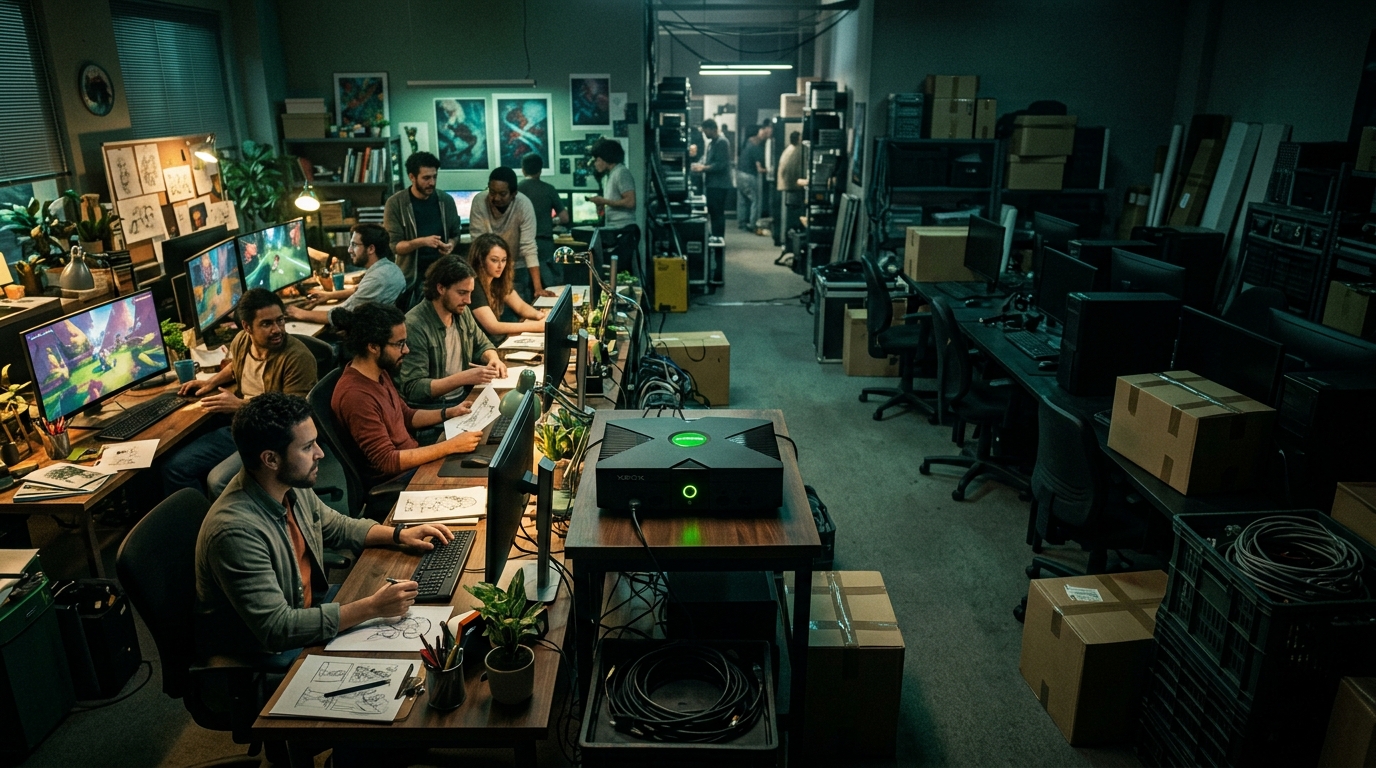
The restructuring turns studio sales from boardroom vocabulary into a very practical question: who is actually making the next game? Two studios are becoming independent, while two others are moving to new owners whose identities have not been publicly revealed. That means fresh funding and creative freedom are possible, but so is the less glamorous outcome of projects being delayed, reworked, or quietly shelved. I would not treat independence as an automatic upgrade, because freedom is wonderful until the rent, payroll, and development budget arrive.
The two studios changing ownership are the ones to watch most closely for buyer announcements and concrete project updates. Players should look for named ownership, release-date changes, layoffs, or statements confirming that existing games remain fully funded, rather than accepting vague promises about “new opportunities.” The independent studios could benefit from fewer layers of approval, but independence also removes the financial safety net that comes with a large first-party publisher. In other words, the creative leash may get longer while the wallet gets noticeably shorter.
The French studio has not been confirmed as sold, but it is under formal consultation over possible strategic options, so its future remains unsettled. The clearest warning sign will be whether the parent company continues shrinking its first-party footprint after these moves, because one round of divestment can be restructuring, while repeated rounds start looking like an evacuation plan. I will be watching for studio closures, project cancellations, delayed releases, and buyers with an actual track record of supporting development. Until those details appear, players should assume uncertainty is the only feature that shipped on time.
Platform Holder’s Studio Sell-Off Comes With Caveats
The confirmed studio sales and divestitures involve four teams leaving corporate ownership. Two are becoming independent, while two are moving to new owners. The buyers for the two studios changing ownership had not been publicly named as of August 16, 2026, so the paperwork may be real while the details remain frustratingly locked in a filing cabinet. The French studio is not confirmed sold, but it is under formal consultation about possible strategic options, including a potential divestiture.
This restructuring matters because studios are not interchangeable labels on a corporate spreadsheet. Ownership changes can affect staffing, creative control, budgets, release schedules, and whether an announced game reaches players in recognizable shape. For fans, that means the real question is not whether the accounting department found a cleaner line item, but whether teams can keep making ambitious games without being stripped for parts. A promise that everything will continue normally is nice, but game development has never been powered by nice promises alone.
The next meaningful milestones are concrete, not carefully polished reassurance. We need buyer announcements for the two studios changing ownership, the outcome of the French studio’s consultation, and direct updates from employees about their new working conditions. Players also need firm news on the affected games, including development status, leadership, platforms, and release plans. Until those details arrive, the studio sales story is only partially settled, and pretending otherwise would be corporate accounting cosplay.