The “Slay the Spire AI debate” is really three arguments wearing one very confused trench coat. It covers the choice to use rough, handmade placeholder art instead of generative AI, whether AI agents can actually play or master the game, and a separate review-bombing fight that keeps getting dragged into the conversation despite having nothing to do with AI. I’m here to untangle the noise without pretending every algorithm is secretly one relic away from ascension.
At the heart of it is a bigger question: does AI make games better, or does it merely help developers produce more polished nonsense faster? Slay the Spire is a perfect battleground because its systems are brutally readable, strategically deep, and excellent at exposing fake intelligence. If you want to know what is genuinely impressive, what is industry theater, and what deserves to be uninstalled from the discourse, this debate has plenty of cards to play.
Key Takeaways
- The Slay the Spire AI debate combines three separate issues: handmade placeholder art, AI agents attempting to play the game, and a review-bombing dispute over a consultant credit. These topics should be evaluated independently rather than treated as one controversy.
- Slay the Spire 2’s rough, handmade placeholder art communicates its Early Access status honestly, while generative polish could make temporary assets appear final and create misleading expectations.
- AI agents playing or mastering Slay the Spire is a technical research question about planning, strategy, and decision-making—not evidence about the game’s artwork or the separate review-bombing dispute.
- Players should judge Slay the Spire 2 primarily on its systems, balance, progression, and performance while treating rough visuals as temporary development markers. Early Access explains unfinished art but does not excuse weak design.
Slay The Spire AI Debate Introduction
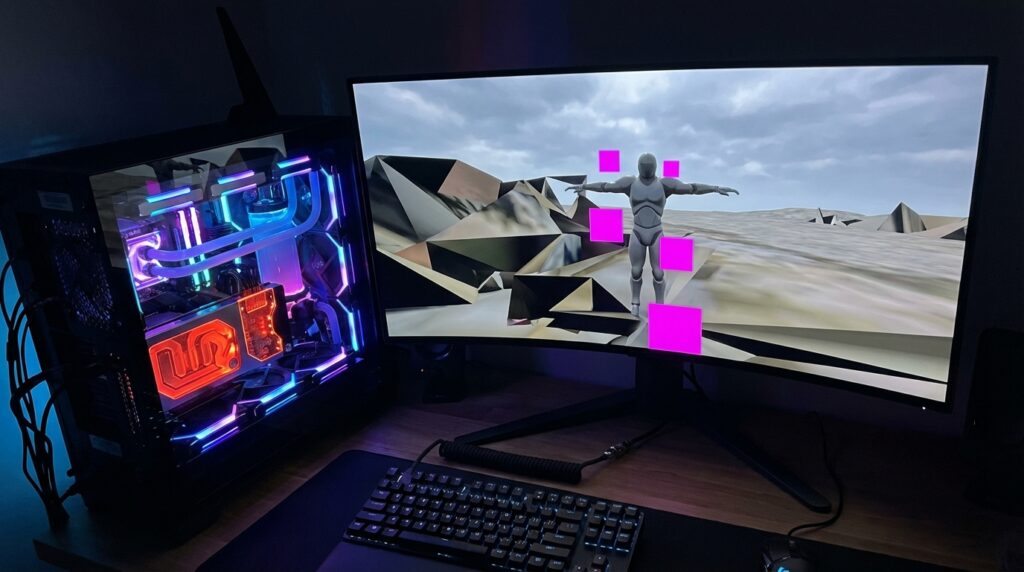
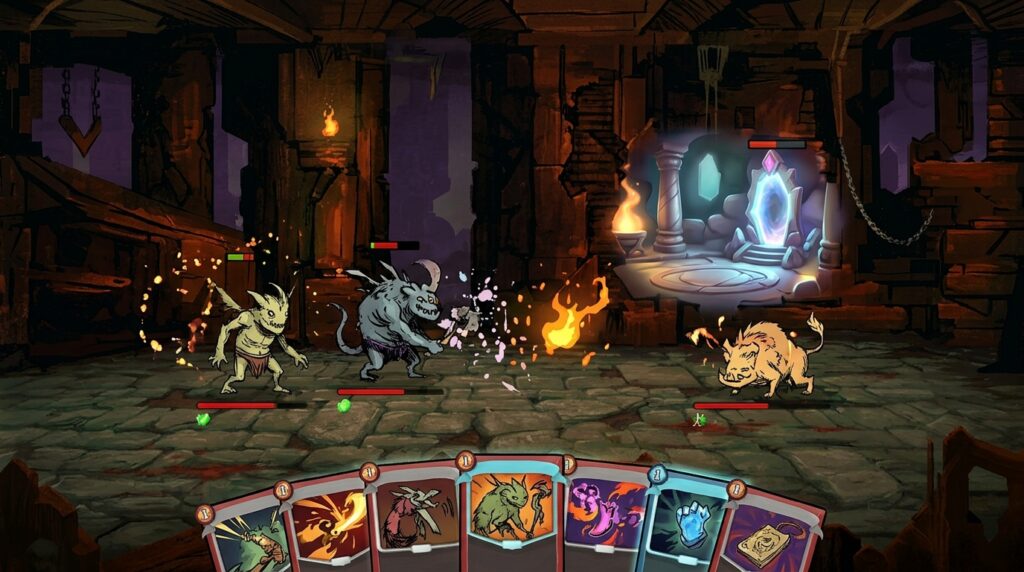
The Slay the Spire AI debate begins with the studio’s decision to use handmade placeholder art in Slay the Spire 2 rather than generative AI, as reported on August 6, 2026. That choice is not simply “AI bad, sketches good,” because a rough drawing can be just as misleading if everyone pretends it is finished. The real question is whether unfinished art should honestly look unfinished instead of wearing a suspiciously polished disguise made by a prompt box. This approach makes the game’s development status obvious, which is helpful when players are already evaluating an Early Access build with the enthusiasm of unpaid quality assurance staff. I respect that kind of clarity, even if some placeholder creatures look like they were summoned from the margins of a bored student’s notebook.
The useful distinction here is between a temporary asset and a final artistic statement. Handmade placeholders tell players, “This will change,” while generated art can look complete enough to invite criticism over details the developers never intended to keep. That does not make every sketch automatically brilliant, and nobody should confuse a production shortcut with a masterpiece wearing sweatpants. It does, however, put the focus on communication, creative control, and whether players can judge the actual game instead of accidentally reviewing a pile of visual scaffolding. The wider Slay the Spire AI debate also includes questions about AI agents playing the game, but that is a separate argument. Lumping everything together would produce the sort of messy discourse usually best handled with a card that says “skip turn.”
Handmade Placeholder Choice
The studio says the handmade placeholder art in Slay the Spire 2 is intentionally rough, and that is the point. In an August 6, 2026 report, the developers explained that visibly unfinished artwork tells players the game is still in Early Access instead of quietly pretending everything is ready for prime time. Generative AI could have produced cleaner images, but that polish might make temporary assets look dangerously close to final production art. I appreciate the honesty, because nothing says “please judge our work in progress as a finished product” like giving a placeholder a professional makeover.
That choice also pushes back on the idea that every rough edge needs to be sanded down immediately. Handmade placeholders set expectations, making it easier to judge the game’s systems without treating unfinished visuals as a promise the developers have already broken. The Slay the Spire AI debate is therefore less about whether a machine can spit out a decent-looking monster and more about whether developers should disguise temporary work at all. The reasoning lands because clear communication beats shiny nonsense, especially when the shiny nonsense is only there to look finished.
Rough Art Versus Generative Polish
The Slay the Spire AI debate is really an argument about what unfinished work should look like. For Slay the Spire 2, the studio’s deliberately rough, handmade placeholder art makes the message impossible to miss: this is Early Access, not a disguised final product wearing a fake moustache. I like that clarity because polished temporary assets can make players judge missing content as a failure, while ugly sketches correctly signal that the machinery is still being assembled. It separates the card balance, encounters, and systems I am actually testing from the pretty coat that will arrive later.
There is also a practical reason to reject generative art here, beyond the usual arguments about style, ownership, and training data. AI-generated placeholders can look finished enough to create the wrong expectations, then leave developers defending visuals that were never meant to survive production. Rough art keeps the contract honest: judge the game’s decisions now, and save the art criticism for when the art is supposed to be final. That may sound obvious, but the industry has repeatedly slapped a coat of varnish on unfinished work and acted surprised when players noticed the floor was still missing.
Still, intentionally ugly art is not automatically virtuous, and this is where the debate gets interesting. In most games, “unfinished” is a warning label, not a selling point, but Slay the Spire 2 turns that warning into part of its identity by making the development process visible. I respect the honesty, though I would not pretend every crude placeholder is charming just because it came from human hands. If the mechanics are strong, rough art preserves useful expectations. If the mechanics are weak, no amount of artisanal ugliness makes the problem noble.
Separating AI Agents From Review Bombing
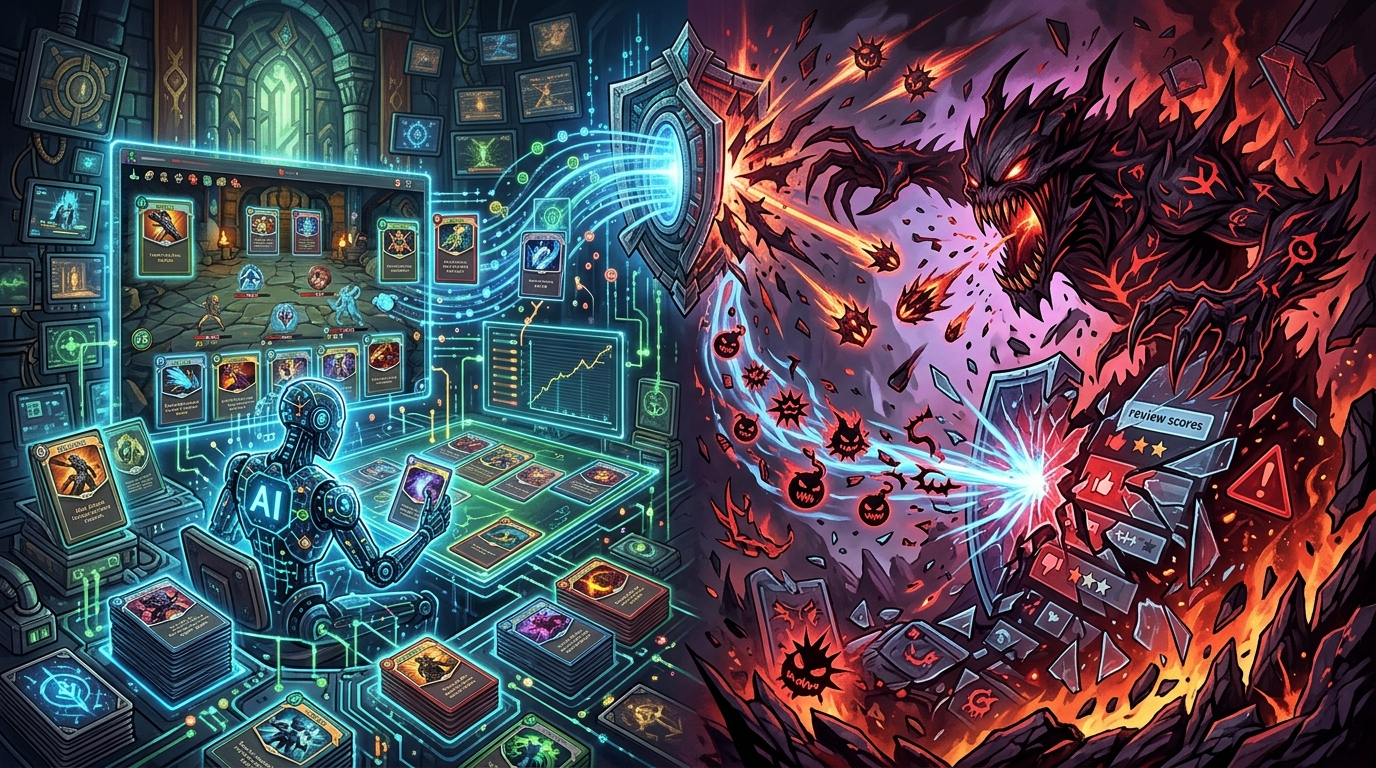
The “Slay the Spire AI debate” is actually three arguments wearing one trench coat. First, there is the studio’s decision to use rough, handmade placeholder art in Slay the Spire 2 instead of generative AI, making it obvious that Early Access assets are unfinished rather than quietly passing temporary work off as production-ready. I think that is a smart bit of communication, because placeholder art should look like a placeholder, not a suspiciously polished loading screen from the future. The question here is about artistic standards, transparency, and whether players can judge unfinished visuals fairly. It is not evidence that the game has been secretly assembled by a prompt box with a fondness for card frames.
A separate discussion asks whether AI agents can play Slay the Spire, understand its strategic depth, and eventually master the miserable little decision tree that has ruined many perfectly good evenings. That has almost nothing to do with the review-bombing controversy tied to a consultant credit, which is a culture-war dispute about credits and representation, not an AI-art dispute. Lumping all three together produces the kind of internet argument where nobody knows what they are angry about, but everyone has prepared a twelve-part thread. I prefer to keep the deck organized: placeholder art concerns development, AI agents concern game-playing research, and review bombing concerns a separate backlash entirely.
Slay The Spire AI Debate Conclusion
The Slay the Spire AI debate ultimately lands on a fairly simple point: Slay the Spire 2 should be judged on the systems it is actually testing, not on placeholder art that openly admits it is placeholder art. The studio’s rough, handmade placeholder art is not pretending to be finished, and that honesty is more useful than a suspiciously glossy coat of generated paint. Early Access is supposed to expose the machinery, not wheel out a fake showroom model and hope nobody notices the missing doors. I would rather evaluate the cards, balance, progression, and performance than mistake temporary scribbles for the final art direction.
That does not give the game a free pass, because “it is Early Access” is not a magic spell that makes bad design disappear. Players still need to scrutinize how the new systems work, whether the balance holds up, and whether the sequel earns its place instead of merely wearing the original’s crown. The visual roughness should be treated as a development marker, while the gameplay gets the full trial by fire. If a relic interaction is broken, no amount of charming placeholder art will save it from the uninstall button.
What I will watch next is how the evolving art direction replaces those temporary assets without losing the game’s personality, and whether the studio maintains its stated position on generative tools as production continues. The bigger test is cultural, because studios now have to decide whether honesty is worth more than artificial polish in a marketplace trained to judge screenshots like courtroom evidence. If players reward transparent development and strong systems, that sets a healthier standard for Early Access. If they demand final-release shine immediately, we will keep getting beautiful shop windows attached to houses with no plumbing.
Rough Art Beats AI Sludge
The Slay the Spire AI debate makes the most sense when we stop pretending unfinished art is a scandal. Slay the Spire 2 uses rough, handmade placeholder visuals to make it obvious that development is still underway, rather than dressing temporary assets in polished generative sludge and hoping nobody notices. I think that is the smarter choice, because players should judge the game’s mechanics and direction without mistaking work-in-progress art for the final product. It also makes the studio’s artistic standards clear: unfinished is acceptable, fake-finished is not.
There is another thread involving whether AI agents can actually play, learn, and eventually master Slay the Spire, which is a fascinating technical challenge rather than an art controversy. Watching a machine handle deck-building decisions could teach us plenty about planning, risk, and the game’s famously brutal randomness, although I remain unconvinced that a bot winning a run understands why I just picked the terrible card that ruined mine. A separate review-bombing fight over a consultant credit is often lumped into the conversation, but it is not an AI issue. In the end, the debate is useful only when it separates development standards, machine gameplay, and culture-war noise instead of throwing them into one enormous internet blender.