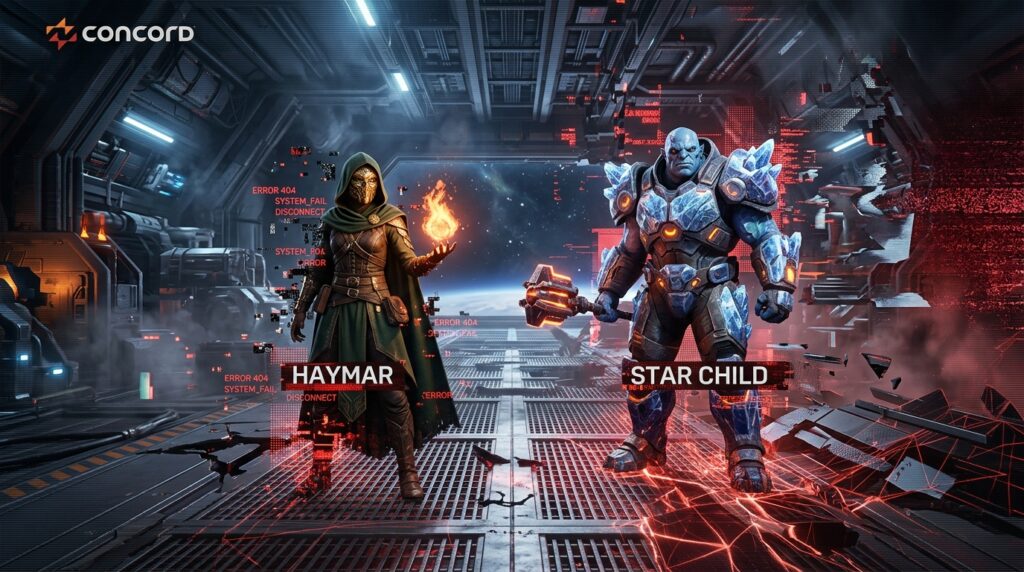
Sony just pulled the plug on Concord a mere 14 days after its August 23 launch, marking one of the swiftest and most expensive disappearances in gaming history. The concord shutdown fallout is currently a crater the size of a small moon, leaving an estimated $200 million to $400 million development budget buried under the rubble. I’ve seen some spectacular train wrecks in this industry, but watching an eight-year project vanish in two weeks is like watching a Ferrari get driven straight off the lot and into a woodchipper.
With a peak of only 697 players on Steam and estimated sales of a measly 25,000 units, the math for this disaster is as brutal as it gets. Sony is currently issuing full refunds to the handful of people who actually bothered to buy it, effectively scrubbing the game’s existence from the face of the earth. We are witnessing a historic “stop the bleed” moment that proves you can’t just throw hundreds of millions of dollars at a generic hero shooter and expect the world to care.
TL;DR: Sony shuttered Concord just 14 days after launch, resulting in a historic financial loss estimated between $200 million and $400 million. The game’s failure to capture an audience led to the total closure of its development studio and a complete retreat from Sony’s aggressive live-service strategy. This collapse serves as a brutal cautionary tale about the dangers of spending eight years chasing outdated industry trends with a generic, high-priced product.
Eight Years For Two Weeks Of Gameplay
The math behind the Concord collapse is so spectacularly bad it feels like a prank on the concept of capitalism. Sony and the development studio spent roughly eight years in development, only to have the servers go dark on September 6, 2024, a mere fourteen days after its August 23 launch. We are talking about a project that analysts estimate cost between 200 million and 400 million dollars, yet it peaked at a measly 697 players on Steam. That is not just a flop, it is a historical landmark of corporate delusion where a decade of work was erased in the time it takes to finish a free trial of Netflix.
This disaster proves that the industry’s obsession with chasing the hero shooter trend has officially hit a brick wall. By the time Concord actually arrived, the market was already suffocating under the weight of established giants and free-to-play alternatives that did not ask for forty dollars upfront. Sony essentially tried to sell a ticket to a party that ended five years ago, and the result was an embarrassing 25,000 units sold globally. The fallout has left a massive vacuum in Sony’s live service strategy, showing that throwing hundreds of millions at a trend is no substitute for actually having a unique idea.
- Development Time: Approximately 8 years of production.
- Lifespan: Exactly 14 days from launch to shutdown.
- Peak Steam Players: A dismal 697 users.
- Estimated Sales: Only 25,000 units across all platforms.
- Financial Impact: Estimated losses ranging from 200 to 400 million dollars.
Pulling the plug so quickly was a mercy killing, but it leaves behind a wreckage of questions about how a project stays in flight for eight years without anyone noticing the engines were on fire. The decision to issue full refunds was the only move left to make, essentially turning the game into a very expensive ghost that haunts Sony’s balance sheet. It is a blunt reminder that the “live service” dream is often a nightmare for studios that spend more time looking at spreadsheets than at what players actually want to play. We are witnessing the end of an era where a big budget and a recognizable genre were enough to guarantee a seat at the table.
Studio Closure And The Human Cost
Sony officially slammed the door on its internal development studio and mobile developer on October 29, 2024, proving that chasing the live service dragon usually ends with a pink slip. It is the ultimate “I told you so” moment for anyone who saw the writing on the wall when Concord was unceremoniously yanked from shelves just two weeks after its August launch. While the suits at the top spent eight years and hundreds of millions of dollars trying to force a hero shooter into a market that already had plenty of them, the actual developers are the ones paying the price for that lack of vision. We are looking at a massive financial crater that some analysts estimate reached up to 400 million dollars, yet the only thing Sony seems to have learned is how to consolidate its mistakes by clearing out the desks.
The human cost of this failure is staggering when you consider the sheer amount of wasted potential left in the wake of such a spectacular disaster. Hundreds of talented people spent nearly a decade of their lives building a game that lasted about as long as a carton of milk in the sun. This is what happens when corporate strategy prioritizes a “chase the trend” checklist over actual creativity or market demand. It is easy for executives to pivot their strategy in a quarterly earnings call, but it is a lot harder for a developer to recover years of their career spent on a project that was effectively DOA.
- The game peaked at a measly 697 concurrent players on Steam, which is less than some indie games made by one person in a basement.
- Sony issued full refunds to the estimated 25,000 people who actually bought the game, making the entire launch a literal net-zero for revenue.
- The development studio was acquired by Sony in 2023, only to be shuttered less than two years later after their only project collapsed.
- The shutdown marks a pivot away from Sony’s aggressive push into the live service market, leaving their future multiplayer strategy in total limbo.
Watching the industry try to copy successful hero shooters has been exhausting, and the fallout from Concord is the most expensive cautionary tale we have seen yet. Sony thought they could just buy their way into the cultural conversation with a massive budget and some flashy CG trailers, but they forgot that players actually have to want the game you are selling. Now, instead of a thriving new franchise, we have a bunch of empty office chairs and a giant hole in a balance sheet. It is a cynical end to a cynical project, and it serves as a blunt reminder that when the big bosses gamble on a trend and lose, the workers are the ones who get cashed out.
Chasing The Hero Shooter Ghost Of 2016
Sony’s decision to pull the plug on its high budget hero shooter on September 6, 2024, just 14 days after its August 23 launch, marks a historic collapse in the live service space. It is genuinely impressive to see a project spend eight years in development only to vanish from the face of the earth before most players even realized it existed. While reports estimate the development and marketing budget sat somewhere between $200 million and $400 million, the game peaked at a measly 697 concurrent players on Steam. That is not just a commercial failure, it is a mathematical anomaly for a studio backed by one of the biggest names in gaming. I have seen milk in my fridge with more longevity and a more dedicated following than this title managed to scrape together.
The industry seems to be trapped in a time warp where executives believe we are still living in 2016, desperately chasing a trend that has already peaked and moved on. This game was a paid product trying to compete in a market that shifted to free-to-play models years ago, making it essentially a $40 barrier to entry for a party nobody wanted to attend. By the time it arrived, the world had already cycled through the battle royale craze and moved into an era where players are much more selective about their digital chores. According to analysts, the game sold roughly 25,000 units globally, which is a staggering statistic when you consider the sheer scale of the marketing machine behind it.
- The game spent eight years in production, meaning development started before several of its modern competitors even launched.
- Active player counts on PC plummeted into the double digits shortly before the shutdown announcement was made.
- Sony was forced to issue full refunds to the estimated 25,000 people who actually bothered to buy the game.
- The 14 day lifespan sets a new record for how quickly a major publisher can realize they have fundamentally misread the entire gaming market.
This disaster highlights a massive news vacuum regarding the future of high budget live service titles and the consequences of chasing a ghost. When you spend nearly a decade building a game based on a specific moment in time, you risk launching a fossil into a world that has evolved past your vision. Unlike some disastrous launches that actually got fixed over time, Concord was simply too far gone to save. The fallout here is not just about the lost hundreds of millions of dollars, but the realization that corporate strategy is often years behind what people actually want to play. It turns out that a polished, expensive clone of a decade old trend is still just a clone, and players are smart enough to stay away from a sinking ship even if it has a shiny coat of paint.
Sony Strategy Shift After The Concord Disaster
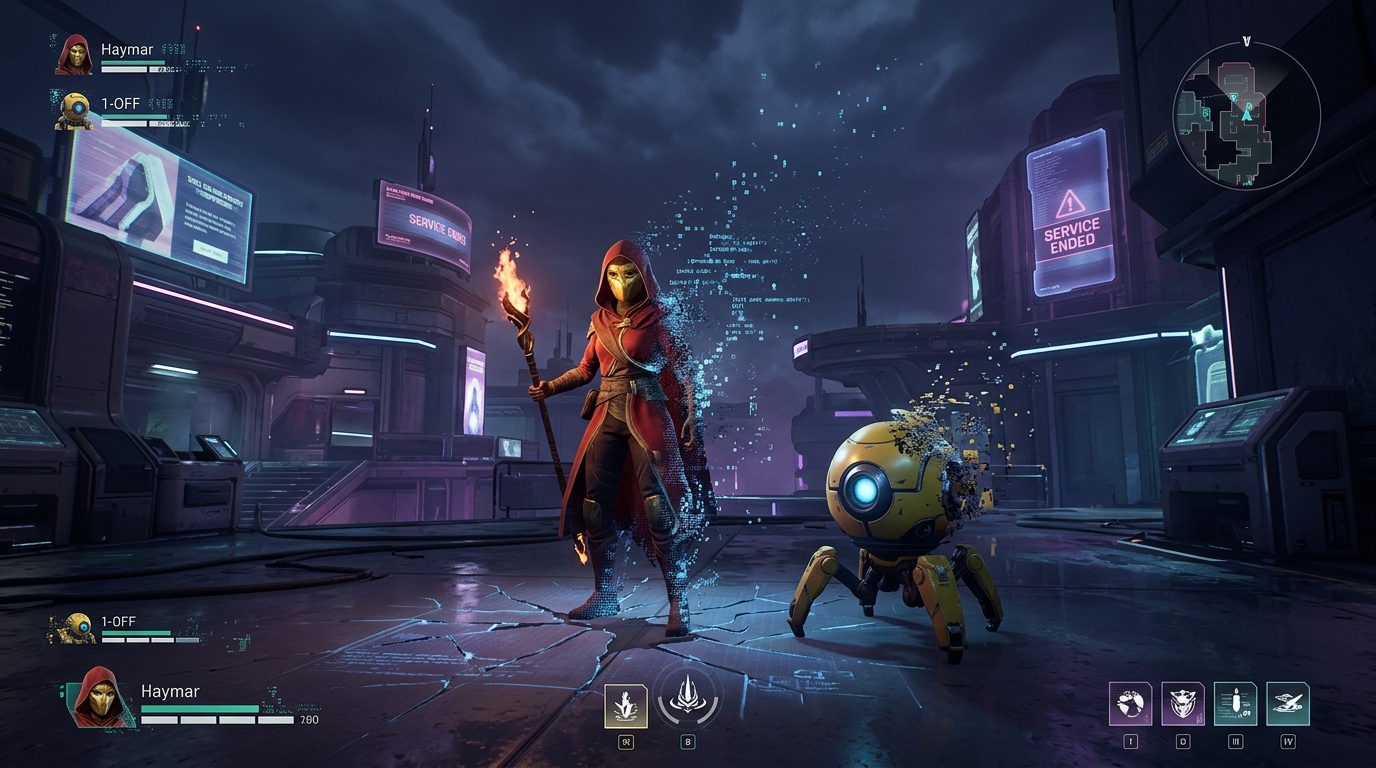
Sony just set a record for the most expensive two-week vacation in history by pulling the plug on Concord on September 6, 2024, a mere 14 days after its disastrous debut. Spending eight years and an estimated $200 million to $400 million on a hero shooter that peaked at 697 players on Steam is not just a failure, it is a strategic autopsy in real time. I am not a financial advisor, but you do not need an accounting degree to see that chasing the live-service dragon has left a massive crater in PlayStation’s balance sheet. This collapse proves that players are officially fed up with corporate attempts to turn every hobby into a second job filled with battle passes and uninspired character designs.
The fallout from this financial bonfire is already forcing a massive pivot in how Sony approaches its future pipeline. According to recent industry shifts, the company is finally realizing that their core audience wants the high-quality, single-player spectacles that made the brand famous, rather than another generic shooter that nobody asked for. You can only ignore the “single-player is dead” crowd for so long before the reality of 25,000 total global units sold hits you like a freight train. This disaster serves as a loud, expensive wake-up call that chasing trends from five years ago is a guaranteed way to lose hundreds of millions of dollars.
- The immediate cancellation of redundant live-service projects that were still in early development.
- A renewed financial focus on established single-player franchises that actually move hardware.
- Stricter greenlighting processes for multiplayer titles to avoid another 14-day shutdown scenario.
- A shift away from the “quantity over quality” approach to the PlayStation Plus library.
We are witnessing the end of the aggressive live-service gold rush as Sony begins to retreat to the safety of cinematic storytelling and solo adventures. While it is tragic that eight years of work vanished in a fortnight, the industry needed this reality check to stop the endless flood of Live Service Game Fatigue slop. If the Concord disaster means we get an extra single-player masterpiece instead of three more failed hero shooters, then those millions of dollars were almost well-spent. PlayStation is finally being forced to remember what they are actually good at, and for everyone who values a finished game over a seasonal shop, that is the only silver lining we need.
The $400 Million Belly Flop
Concord is officially the new gold standard for corporate delusion, proving that you cannot simply spend eight years and four hundred million dollars to manufacture a trend. Sony pulled the plug on September 6, 2024, a mere fourteen days after launch, following a disastrous peak of only 697 concurrent players on Steam. This was not just a swing and a miss, it was a multi-hundred million dollar belly flop into an empty pool. While the industry loves to talk about long term engagement and live service ecosystems, the reality is that players do not care about your five year roadmap if the base game feels like a focus grouped committee meeting. You cannot charge forty dollars for a product that your competitors are giving away for free, especially when those competitors actually have a soul.
The fallout from this collapse leaves a massive crater in Sony strategy that they cannot simply patch over with a firmware update. According to industry analysts, the game likely sold fewer than 25,000 units, which is a terrifying statistic for a project that reportedly cost more than some small countries’ GDP. This failure serves as a blunt reminder that the hero shooter trend has moved on, and chasing it now is like trying to start a fire with a wet sponge. If the suits in charge do not learn that authenticity beats a massive marketing budget every single time, they are destined to keep flushing money down the drain. We need games built on actual ideas, not just a desperate desire to capture a slice of a pie that was eaten years ago.
I am honestly hoping this serves as a wake up call for every executive who thinks they can buy their way into a community. Watching a titan like Sony retreat so quickly after a decade of development is both hilarious and deeply concerning for the future of big budget gaming. It turns out that players actually value their time and money, and they are not going to show up just because you slapped a high production value trailer on a derivative concept. If this industry wants to stop hemorrhaging cash, it needs to stop looking at spreadsheets and start looking at what makes games actually fun to play. The era of the bloated, soul-less live service clone needs to end here before another studio is sent to the digital graveyard of forgotten masterpieces for following a trend that died in 2016. This shift was recently cemented by the closure of its development studio, signaling a total retreat from the project.