
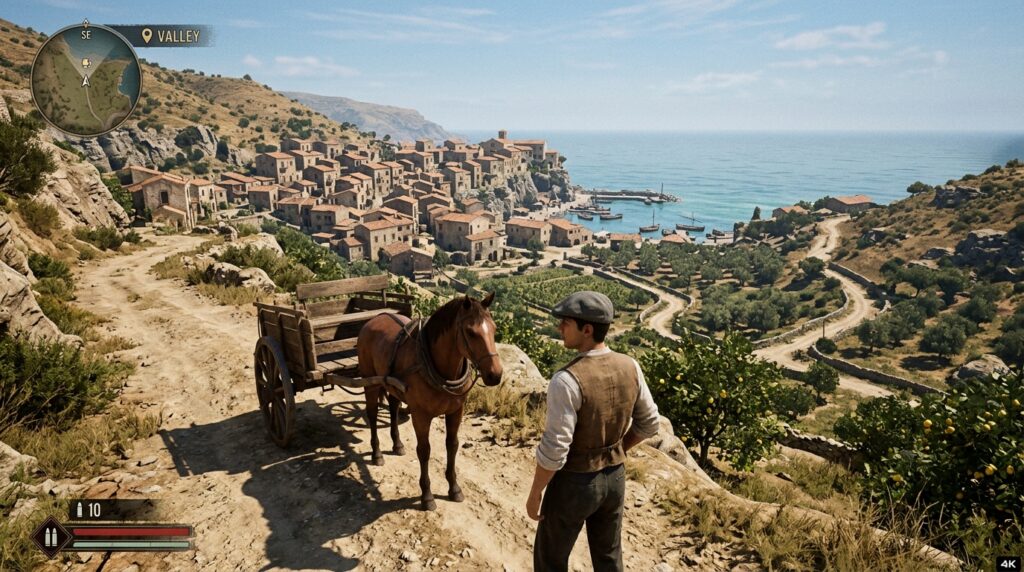
Pack your bags and try not to get shot, because we’re finally heading back to the motherland to see how this whole “family business” actually started. Ever since Mafia: The Old Country dropped on August 8, the latest Mafia Old Country news has confirmed what we all suspected: Sicily in the 1900s was less about scenic wine tours and more about surviving the brutal rise of the Torrisi crime family. Built on Unreal Engine 5, the game actually looks like a modern title instead of a dusty relic, trading the bloated open-world checklists of recent years for a tight, linear narrative that actually respects your time.
If you’ve already finished Enzo’s climb from a lowly carusu to a hardened soldier, don’t put your fedora away just yet. The upcoming Man of Honor expansion is set to land on August 14, 2026, and it’s bringing back a familiar face in Ennio Salieri for a bit of classic territory reclamation. It’s rare to see a studio double down on story-driven content without trying to sell you a battle pass or a neon-colored skin, so seeing the developers lean into the gritty, cinematic roots of the franchise is a refreshing change of pace.
Key Takeaways
- Mafia: The Old Country returns the franchise to its roots with a focused, linear narrative set in 1900s Sicily, ditching the repetitive open-world checklists of previous installments.
- Built on Unreal Engine 5, the game introduces a ‘Cinema Siciliano’ mode that utilizes a vintage film aesthetic to enhance the gritty, atmospheric origin story of the Torrisi crime family.
- Combat shifts toward a brutal, deliberate style featuring period-accurate weaponry like jagged blades and slow-loading early firearms that prioritize tactical positioning over arcade-style shooting.
- The ‘Man of Honor’ expansion, scheduled for August 14, 2026, will feature a young Ennio Salieri in a prequel story focused on territory reclamation in the Valle Dorata.
Returning To Linear Roots In 1900s Sicily
Mafia: The Old Country is finally giving us what we actually wanted by ditching the bloated open world checklist that plagued the third installment. While the previous game had a killer soundtrack and a great protagonist, it buried the fun under fifty hours of repetitive racket missions that felt more like a second job than a video game. Returning to a focused, linear structure in 1900s Sicily is a massive win for anyone who values their time and sanity. The developers seem to have remembered that this franchise is at its best when it functions as a playable crime film rather than a generic map clearing simulator. By tightening the scope to the Valle Dorata, the team can actually focus on pacing, atmosphere, and a story that doesn’t get interrupted by tedious busywork.
Stepping into the boots of Enzo Favara feels like a genuine homecoming to the roots of the series. The early 20th century setting is more than just a fresh coat of paint, as it provides a gritty, grounded foundation for the origins of the Torrisi crime family. Using Unreal Engine 5 to bring the dusty streets of Sicily to life ensures that every narrow alleyway and sun drenched courtyard serves the narrative rather than just filling space. It is refreshing to see a studio admit that bigger is not always better, especially when the original games thrived on their cinematic intensity. This shift back to a curated experience means every mission actually matters to Enzo’s rise through the ranks.
The announcement of the Man of Honor expansion already has me reaching for my fedora and a glass of cheap wine. Seeing a young Ennio Salieri return to reclaim his territory is the kind of fan service that actually works because it builds on the lore we already love. This prequel approach allows the team to craft a high stakes drama without the pressure of adding a hundred useless side activities just to pad the runtime. I would much rather have twelve hours of pure, concentrated mob drama than eighty hours of driving across a map to kick over a warehouse. If the final product maintains this level of narrative discipline, we might finally get the masterpiece this series has been chasing for years.
Enzo Favara And The Rise Of The Torrisi Family
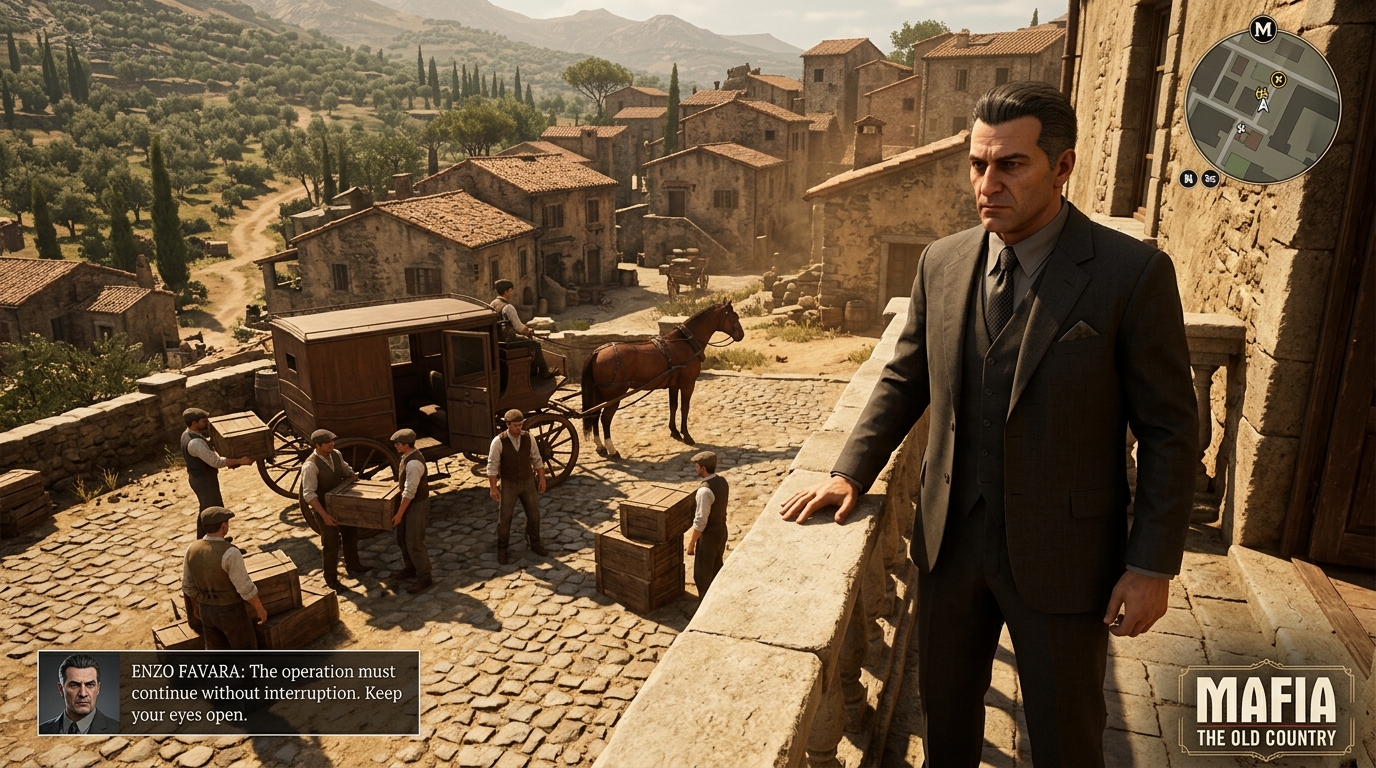
Enzo Favara is the breath of fresh air the Mafia franchise desperately needed, taking us away from the bloated open worlds of modern gaming and back to the gritty, focused roots of the original masterpiece. As a young carusu rising through the ranks of the Torrisi family, Enzo represents a return to the series’ strength where the story actually matters more than how many icons you can clear off a map. The 1900s Sicilian setting is a masterstroke of atmosphere, trading in the neon lights and radio stations for the dusty, sun-drenched tension of an era where respect was earned with blood rather than bank accounts. It is refreshing to play a protagonist who feels like a part of a living history rather than just another generic criminal archetype with a fast car and a death wish.
The combat in Mafia: The Old Country is a brutal wake-up call for anyone expecting the high-speed chases and automatic weapon spray of the later sequels. Since we are dealing with the early 20th century, the gameplay leans heavily into visceral, close-quarters encounters where a jagged blade or a slow-loading early firearm carries real weight and consequence. You cannot just hide behind a crate and wait for your health to regenerate while spraying bullets from a submachine gun that hasn’t been invented yet. Every swing of a knife and every shot from a primitive pistol feels deliberate and dangerous, forcing you to actually think about your approach instead of relying on mindless reflexes.
The development team finally stopped trying to chase trend-following mechanics and embraced the linear, narrative-driven structure that made the first game a legend. By utilizing Unreal Engine 5, they have crafted a version of Sicily that looks gorgeous but feels incredibly oppressive, perfectly mirroring Enzo’s climb through the brutal hierarchy of the Torrisi family. This shift back to a more intimate scale allows the developers to focus on the details that actually matter, like the weight of the period-accurate weapons and the tension of a silent assassination. It is a bold move to strip away the modern bells and whistles, but it pays off by delivering a gaming experience that feels authentic, challenging, and unapologetically old-school.
Unreal Engine 5 And The Cinema Siciliano Aesthetic
Making the jump to Unreal Engine 5 is the smartest move the studio has made since they decided to let us drive vintage cars through storefronts. For the first time in the franchise, we are stepping away from the aging proprietary tech of the past to embrace a toolkit that actually understands how light should bounce off a dusty Sicilian cobblestone. The level of detail in 1900s Sicily is frankly staggering, with the engine handling the complex geometry of crumbling Mediterranean architecture without breaking a sweat. It provides a technical foundation that finally matches the series ambition, offering a level of fidelity that makes the prequel look like a playable period piece rather than just another open world checklist. This transition ensures that every shadow in a dark alleyway feels earned, giving the game a weight and presence that the previous titles occasionally lacked.
The much hyped Cinema Siciliano mode is far more than a simple sepia filter designed to trick atmosphere junkies into feeling nostalgic. It is a deliberate stylistic choice that strips away the modern sheen to mimic the high contrast, grainy look of early twentieth century film stock. By leaning into this aesthetic, the developers are signaling a return to the tight, linear narrative games that made the original game a masterpiece of storytelling. It forces you to focus on the grit and the tension of Enzo Favara’s rise within the Torrisi family, rather than getting distracted by shiny particle effects. This mode isn’t just a gimmick for the photo mode crowd, but a core part of the identity that separates this prequel from the bloated sandbox experiences we see far too often today.
Watching the franchise reclaim its identity through this specific visual lens feels like a breath of fresh air in a market obsessed with generic realism. The combination of Unreal Engine 5 power and the vintage film aesthetic creates a world that feels lived in, dangerous, and unapologetically old school. It is clear that the team prioritized mood over mindless scale, using the new tech to enhance the intimacy of a linear crime drama. This isn’t about chasing hardware benchmarks for the sake of a box quote, but about using every available pixel to make you feel the heat and the desperation of the old country. If this is the direction the series is headed, I am more than happy to leave the modern cityscapes behind for the brutal beauty of Sicily.
Salieri Returns In The Man Of Honor Expansion
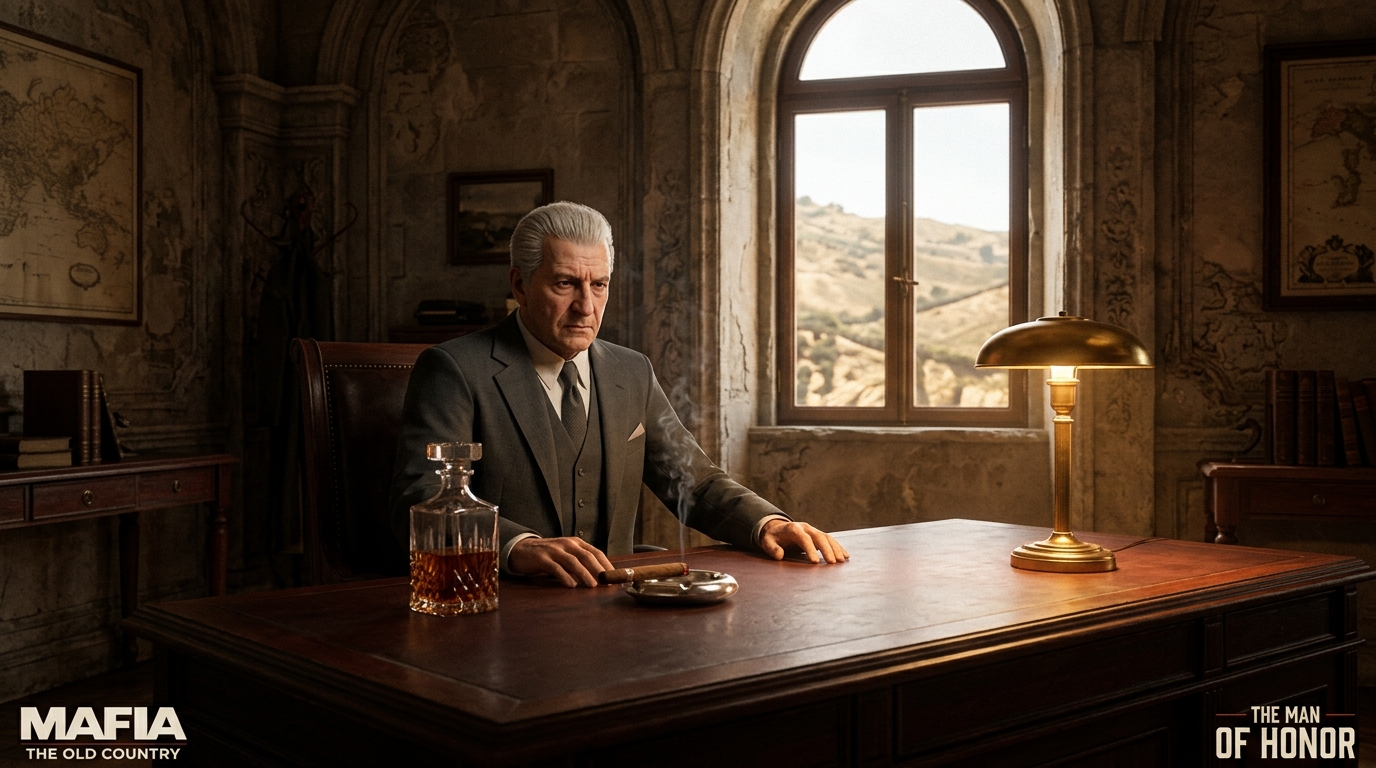
Just when you thought Enzo Favara had enough on his plate navigating the treacherous hills of Sicily, the developers decided to drop a massive lore bomb that actually makes sense. The upcoming Man of Honor expansion is set to bring back a young Ennio Salieri, and frankly, it is the kind of fanservice that actually serves a purpose. We are finally getting a front row seat to see how the legendary Don from the first game became the hardened leader we met in Lost Heaven. It is a relief to see the developers leaning into the franchise’s rich history rather than ignoring it, proving they have a clear roadmap for how these stories interconnect across the decades.
The expansion promises two new chapters focused on Enzo helping Salieri reclaim his territory in the Valle Dorata, which sounds like the perfect excuse for more tactical shootouts and high stakes drama. Using Unreal Engine 5 to recreate a youthful Salieri is a bold move that should pay off if the writing stays as sharp as the base game. It feels like the team is finally listening to the fans who wanted a return to that gritty, narrative driven focus that made the original 2002 title a masterpiece. This is not just some lazy asset flip, but a genuine attempt to bridge the gap between the Old Country and the prohibition era we know and love.
If you have been mourning the death of the traditional mob simulator, Mafia: The Old Country is the wake up call the genre desperately needed. It ditches the bloated open world checklists of its predecessors to focus on a tight, atmospheric experience that feels authentic to its 1900s Sicilian roots. Between the stellar technical performance and the promising Man of Honor DLC, this prequel has officially become a mandatory play for anyone who misses when games had a soul. Do yourself a favor and experience Enzo’s story before Salieri shows up to show everyone how it is really done.
Returning to Linear Roots and Sicilian Boots
Mafia: The Old Country is exactly the shot in the arm this franchise needed after years of wandering through the open world wilderness. By ditching the bloated, repetitive map clearing of the previous entry and returning to a linear, narrative focused structure, the studio is finally playing to its strengths. Sicily in the 1900s provides a brutal and beautiful backdrop that feels much more grounded than the typical American cityscapes we have seen a dozen times before. It is refreshing to see a developer admit that bigger isn’t always better, especially when they have a story this gritty to tell. Unreal Engine 5 makes every cobblestone street and dusty vineyard look incredible, proving that the series still has plenty of life left in it.
The transition to a prequel format allows us to see the roots of the Salieri crime family without the baggage of modern technology or fast cars. Playing as Enzo Favara offers a perspective that feels earned, especially with the upcoming Man of Honor expansion bridging the gap to the original game. I am personally thrilled to see the series stop trying to be a second rate clone of other sandbox giants and instead embrace its identity as a cinematic crime drama. If the polish holds up and the writing stays this sharp, we might finally be looking at the best expansion packs that actually add value to the player experience. It is a bold move to go backwards in time to move the franchise forward, but in this case, the gamble has absolutely paid off.
Frequently Asked Questions
1. Where and when does Mafia: The Old Country take place?
We are heading back to the motherland of Sicily during the brutal rise of the mob in the early 1900s. Forget the scenic postcard views, this is a gritty look at the origins of the Torrisi crime family in the Valle Dorata.
2. Is the gameplay another bloated open-world chore?
Thankfully, no. The developers finally realized that nobody wants to spend fifty hours clearing repetitive map icons like a digital janitor. The game returns to its linear roots, focusing on a tight, cinematic narrative that actually respects your time.
3. What engine is the game running on?
The game is built on Unreal Engine 5, so it actually looks like a modern masterpiece instead of a dusty relic from the PS3 era. You can expect top-tier visuals and atmosphere while you navigate the dangerous streets of the old country.
4. Who is the main character and what is his story?
You play as Enzo, a guy who starts as a lowly carusu and grinds his way up to becoming a hardened soldier. It is a classic rags-to-riches story, if your idea of riches involves a lot of gunpowder and questionable life choices.
5. When is the Man of Honor expansion coming out?
Mark your calendars for August 14, 2026, because that is when the first major story expansion drops. It features the return of the legendary Ennio Salieri as he works on some classic territory reclamation.
6. Does the game have battle passes or microtransactions?
Shockingly, the developers are leaning into gritty, story-driven content without trying to sell you a neon-colored skin or a battle pass. It is a refreshing change of pace to see a studio prioritize a cinematic experience over nickel-and-diming their players. Among upcoming UE5 games, this title stands out for its commitment to a pure, single-player focus.